IDEI: fighting impunity is a universal responsibility

On 2 November, the European Federation of Journalists (EFJ) joins the International Federation of Journalists (IFJ) and its affiliates across the world to mark the International Day to End Impunity for Crimes against Journalists (IDEI). We demand that governments adopt a binding international instrument to protect journalists and hold their attackers to account.
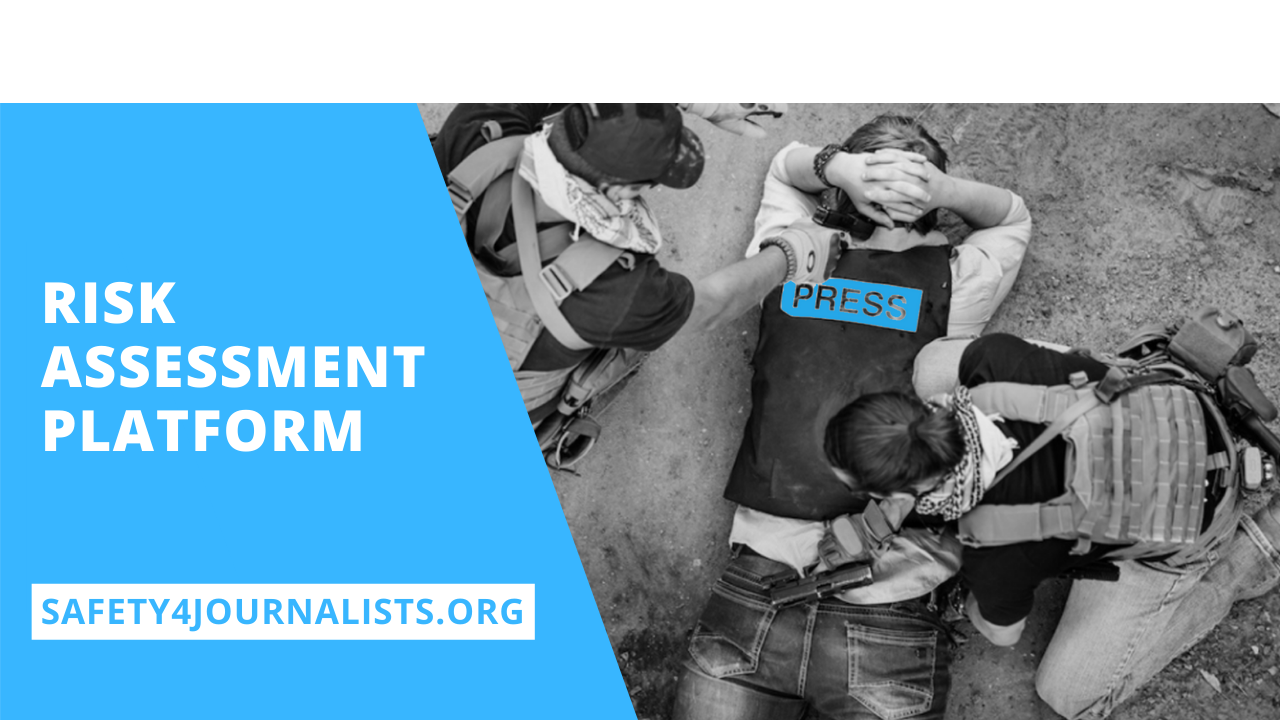
The EFJ and IFJ condemn the fact that, since the launch of this commemorative Day by the United Nations 12 years ago, intimidation and violence perpetrated against journalists have continued to grow. Journalists covering demonstrations are being beaten, pepper-sprayed or shot with rubber bullets, even though they are clearly identified as ‘press’ on their clothes or vests. News offices are being vandalised or raided by unidentified individuals. Women journalists, in particular, are being targeted with online hate campaigns, threats of rape or death, and doxxing (revealing identifying information about someone online). In the most extreme cases, reporters investigating organised crime or corruption disappear or are found dead under suspicious circumstances. And many journalists are directly targeted as they go about their business of reporting a war.
Since the beginning of 2025, at least 99 journalists and media workers have been killed in the course of their work, the majority in war zones: 50 in Gaza, Palestine; 8 in Ukraine; and 6 in Sudan, according to the IFJ’s latest statistics.
According to UNESCO, only one in ten journalist murders are investigated.
In this year’s campaign to fight impunity, the IFJ has highlighted four illustrative cases that remain unsolved to date.
Shireen Abu Akleh, a Palestinian-American journalist for Al Jazeera, was killed by an Israeli soldier in Jenin, the occupied West Bank, on 11 May 2022, while reporting. She wore a helmet and body armour clearly marked as ‘press’. No one was ever held accountable for her killing.
Frédéric Nérac, French cameraman for British channel ITN, disappeared in Iraq on 22 March 2003. No trace of the reporter has ever been found, even though his identity card was recovered.
Investigative journalist and cartoonist Prageeth Eknaligoda was forcibly disappeared on 24 January 2010 in Koswatte area in Colombo, Sri Lanka. To date, no effective investigation has been carried out and no perpetrators have been held accountable.
Peruvian journalist Hugo Bustíos Saavedra was assassinated on 24 November 1988 by an army patrol. In 2007, two officers were convicted in connection to the journalist’s killing. They then implicated former army general Daniel Urresti Elera, who was sentenced to 12 years in prison for taking part in the murder. It took 36 years to finally get justice in the case.
In Europe, the Council of Europe’s Platform to promote the protection of journalism and safety of journalists contains 32 impunity alerts concerning the murder or disappearance of 51 journalists in 14 countries: Kosovo (19 cases), Russia (7), Turkey (6), Ukraine (5), Serbia (3), Azerbaijan (2), Greece (2), United Kingdom (1), Slovakia (1), Belarus (1), Poland (1), Malta (1), Montenegro (1) and Cyprus (1).
“The response rate from governments to these alerts, which concern attacks of extreme seriousness, is particularly low – around 25% – which shows contempt on the part of the public authorities for these murders and disappearances of journalists,” said EFJ President Maja Sever. “Once again, we call on the governments in question to respond to our alerts and reactivate the investigations in order to put an end to this de facto impunity.”
IFJ President Dominique Pradalié said: “Allowing killers and attackers of journalists to walk free sends a chilling signal that the powerful can silence voices, crush families, erase stories and escape accountability. Families of these journalists are left bereft and powerless. Entire communities lose access to vital information. And the collective right to know is stolen. Fighting impunity is a universal responsibility. We need an international, binding instrument for the protection of journalists, one that obliges governments to take responsibility and act to end the devastating consequences of impunity.”
The IFJ has asked UN member states to back its International convention on the safety and independence of journalists.
“Governments must publicly endorse this convention, to encourage the UN General Assembly to adopt it. Otherwise, this 2 November will have no real meaning,” said Pradalié.