European Federation of Journalists

Future of Europe: Resourcing civil society & independent media through the EU Budget 2028-2034

The future of independent editorial media and journalism in Europe is at a critical juncture. The dominance of primarily American Very Large Online Platforms (VLOPs), which now capture over 80% of digital advertising revenue, threatens the sustainability of the media sector. These platforms increasingly exploit journalistic content through generative AI technologies without fair remuneration, further eroding the economic viability of quality journalism.

Journalists face mounting internal and external challenges: growing news avoidance, political and economic media capture, and deteriorating working conditions. A wave of research suggests that high quality journalism not only remains effective amidst rising tides of misinformation but that fact checking and journalism can effectively counter mis- and disinformation as well. 

The EFJ advocates for a healthy mix of different funding streams including public funding at arms’ length for journalism as a public good for the Multi-Annual Financial Framework (MFF) 2028 – 2034. 

EFJ is partnering with Civil Society Europe, Centre for Sustainable Media, European Civic Forum, Culture Action Europe, Irish Council for Civil Liberties, Center for Democracy and Technology, and the MFF Task Force. Together, we represent the Culture, Media, and Civil Society strands of the AgoraEU programme

To achieve these goals, the EFJ will engage with the European Union institutions, encourage EFJ members to engage EU capitals, and proactively work with civil society partners.

This Project has been supported by Civitates, a collaborative initiative of the Network of European Foundations (NEF)
Actions

European Commission: Improved journalists’ access to public documents needed

The European Federation of Journalists (EFJ), together with media outlets, journalist associations and press freedom organisations across Europe, has signed an open letter calling on European Commission President Ursula von der Leyen to increase transparency on EU decision-making by making necessary documents more accessible to media workers. This allows journalists and the public to follow the latest policy developments, public money spending and the exercise of power by EU institutions. It is crucial to democratic accountability, and a legal right under EU law. Yet journalists seeking information from the European Commission increasingly face long delays, extensive redactions and refusals to…

Defend AgoraEU: Invest in European Citizens’ Future

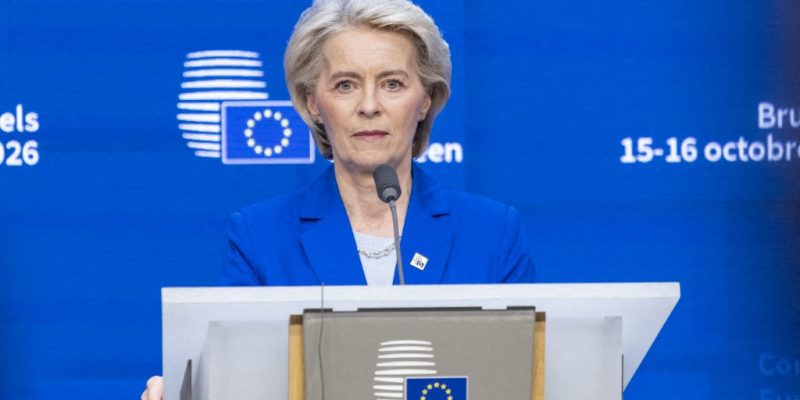
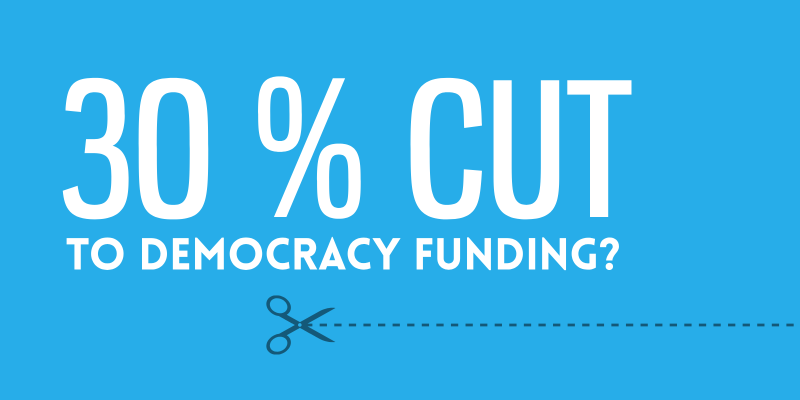
Ahead of the European Council summit on 15–16 October, the European Federation of Journalists (EFJ) and more than 600 organisations call on EU leaders to defend a strong AgoraEU budget. The Irish Presidency has proposed a 30% cut to AgoraEU, the largest cut in its draft budget. AgoraEU funds journalism, media, culture and civil society. The cut would save just 0.2% of the EU budget, but could do lasting damage to Europe’s democratic resilience. For journalism, the timing could not be worse. News media are at financial risk in almost every EU country, and news deserts are spreading. Meanwhile, the…

A Promising Start, But Not Enough: The Case for Getting EU Journalism Funding Right Before 2028

In the negotiations on the EU Multi-Financial Framework (MFF) 2028 – 2032, journalism funding is the new kid on the block. The EFJ has analysed where EU funding on journalism is currently being spent. Local, independent journalism does not come out on top. Journalism is facing an unprecedented crisis of viability. The European Media Industry Outlook report shows that the total revenue generated by the EU news media sector declined by 8% from 2023 to 2024. In response, the EU is, for the first time, developing a welcome and timely specific budget for the journalism and news sector. What started…

AgoraEU: European Parliament recognises journalism as democratic infrastructure, but proposed budget falls short of its own ambition

On 18 May 2026, the European Parliament published its draft position on the new AgoraEU programme, which constitutes the EU’s support for culture, media, and civil society within the Multiannual Financial Framework for the period 2028-2034 – the EU’s long-term budget. The European Federation of Journalists (EFJ) warns that the proposed budget allocation for journalism does not go far enough to match the scale of ambition outlined in the regulation and is a worrying sign of a lack of political ambition to meaningfully fund European journalism. The Parliament’s proposal creates a separate ‘Journalism and Information’ strand, which in principle could…

AgoraEU: EFJ welcomes Council of Ministers’ position backing news and journalism sectors

The European Federation of Journalists (EFJ) welcomes the Council of the European Union’s position on the new AgoraEU programme, adopted on 12 May by EU Culture Ministers, as an important step towards recognising journalism, media freedom, and democratic participation as core pillars of Europe’s democratic resilience. The EFJ calls for this political momentum to be translated into the allocation of substantial financial resources to public-interest media. The proposed AgoraEU programme, which forms part of the Multiannual Financial Framework (2028-2034), would bring together EU support for culture, media, and civil society under a single framework and includes, for the first time,…

More than 500 organisations call for increased budget for the AgoraEU programme to safeguard European democracy

Over 500 organisations representing Europe’s cultural and creative sectors, independent media and journalism, civil society and democracy actors have signed an urgent joint letter addressed to EU leadership. The letter calls for a substantial increase in funding for the AgoraEU programme in the next long-term EU budget (2028-2034), envisaged as a dedicated funding instrument for culture, independent media and journalism, audiovisual media, and civil society organisations. Despite its strategic importance, the programme currently represents only approximately 0.43% of the total EU budget — a level the coalition considers insufficient to match the scale of the challenges facing these sectors. Europe…