Malta: EFJ condemns the failure to convict the mastermind behind the murder of Daphne Caruana Galizia
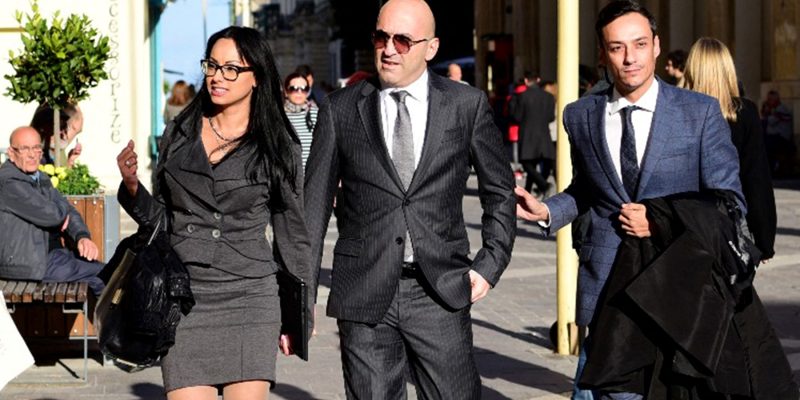
One of Malta’s richest men, Yorgen Fenech, has been found not guilty of involvement in the murder of Maltese journalist Daphne Caruana Galizia. On 2 September, nearly nine years after her death in a car bombing in October 2017, a jury of six women and three men found Yorgen Fenech, 44, not guilty of both counts with which he had been charged: complicity in the voluntary homicide of Daphne Caruana Galizia, and association with the intention of committing a crime. The European Federation of Journalists (EFJ) condemns the failure of the Maltese judiciary and authorities to convict the mastermind in the trial for the murder. The EFJ hopes that this judgement, which amounts to a denial of justice, will be overturned on appeal.
Delivered at 7.30 pm, after just eight hours of deliberations, the verdict, which will be appealed against by the prosecution, was reached by eight votes to one. This is a heavy blow not only for the victim’s family, but also for journalists’ organisations, press freedom NGOs and anti-corruption activists who regard this case as a decisive milestone in the fight to defend press freedom and justice in Europe and around the world.
Yorgen Fenech left the court on Wednesday night to yells of “Assassin”, “Trash” and “Mafia”. He was escorted by several police officers.
“This court ruling amounts, quite simply, to denying justice not only to Daphne’s family, but also to the hundreds of thousands of journalists around the world who suffer as a result of the widespread impunity for crimes committed against their colleagues,” said EFJ President Maja Sever. “The matter cannot end here. The Maltese justice system has a responsibility to ensure that the mastermind is sentenced to the prison term he deserves. The Maltese authorities are also responsible for the institutional failures that allowed this murder to take place. What are they waiting for to put in place the necessary measures to protect journalism and journalists? Why this passivity? What on earth do they have to hide?”
Yorgen Fenech, a powerful businessman linked to both the mafia and Maltese politicians, whose family owns two Hilton hotels and has a share in a power station in Malta, had been accused by prosecutors of paying €150,000 via a middleman, Melvin Theuma, to have the journalist killed. Fenech, the former Energy Minister Konrad Mizzi and Prime Minister’s Chief of Staff Keith Schembri are also variously charged with bribery and corruption in financial cases that were being investigated by the journalist.
The two-month trial raised serious questions about attempts to interfere with the police investigation. Key witnesses claimed the Prime Minister’s Chief of Staff had repeatedly leaked sensitive information to Fenech.
In 2021, an independent public inquiry, for which the family fought, concluded that the state had to shoulder responsibility for the killing because it “created an atmosphere of impunity, generated from the highest levels”. Most of the recommendations made following the public inquiry have never been implemented by the Maltese government and authorities.
In a statement issued following the verdict, Daphne’s family said: “We believe the motive for Daphne’s murder was to stop her investigating Fenech’s once secret company, 17 Black, and its financial transactions. (…) Nine years after Daphne’s brutal assassination, the institutional failures that enabled her murder remain unaddressed and unreformed. Lasting justice means no person should ever face the same risks again. Our country failed to protect Daphne’s life. It owes it to her to prevent other lives being lost.”