European Federation of Journalists

openMedia, investigating press freedom

Title of the project : openMedia, investigating press freedom
Lead Applicant
: openDemocracy

Partner organisations : EFJ, Index on censorship, King’s College London

The recently launched openMedia project aims to investigate and expose commercial interference in editorial decisions. The project is run by openDemocracy with the European Federation of Journalists (EFJ) as a partner alongside the Index on Censorship and King’s College London.

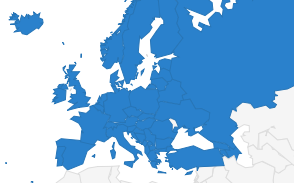
The project believes that there has not been enough of a concerted, ongoing spotlight on the extent and effects of commercial influence over the media, despite the dangerous consequences it poses for press freedom. For now, the project focuses on 47 countries across Europe but also has ambitions to expand.

Despite the recent launch, the project is adamant that it is not a response to the “fake news” hype of the past year or so. Rather, the project responds to scandals of commercial sponsors influencing media content; for example the Daily Telegraph’s suppression of investigations into its advertiser HSBC; and allegations that Buzzfeed deleted articles which advertisers found unfavourable.

According to the project, this power dynamic can suppress investigations of banks, pharmaceuticals, agriculture, fossil fuel giants, energy companies and other big businesses.

In addition, the project recognizes how for many readers, “sponsored content” is difficult to distinguish from genuine news content. The project therefore aims to clarify the commercial interests apparent in media to readers, and as part of the project, King’s College London will develop digital tools to help readers be better informed about news sources.

The findings of the project will be used to campaign for greater transparency and press freedom in news organisations and to empower journalists to advocate for transparency.

In order to do this, openMedia is currently conducting a confidential and anonymous survey of journalists across Europe, asking about their own working practices and experiences of commercial pressure inside newsrooms. The survey is available in English here and in many other languages here.
Actions

Letter to the Swedish Presidency: Anti-SLAPP compromise proposal raises serious concerns

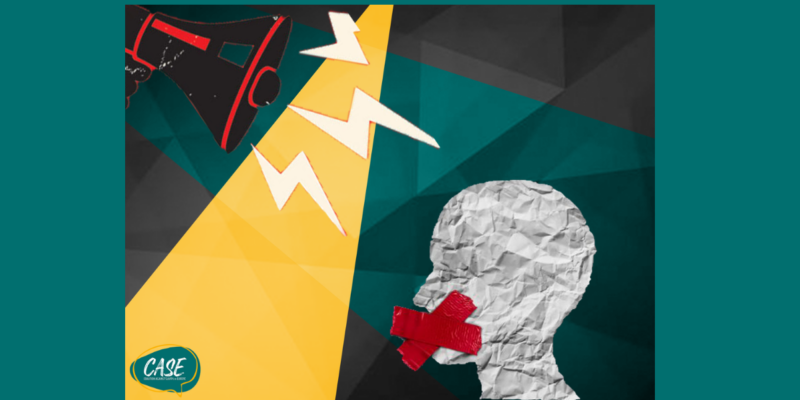
The European Federation of Journalists (EFJ) expressed its profound concern with the latest developments regarding the European anti-SLAPP Directive. Members of the Coalition Against SLAPPs in Europe (CASE) have written to the Swedish Presidency of the EU Council about the worrying draft compromise proposal leaked on 6 March 2023. The Swedish Presidency’s compromise proposal is self-defeating, runs contrary to the purpose of the anti-SLAPP Directive and undermines its spirit. It fails to meet the expectations of the European Parliament, the European Union’s most important democratic body. We call on national governments to act now to ensure that the Council of the EU…

UK: full support for Gary Lineker and BBC local staff preparing to strike

The Steering Committee of the European Federation of Journalists (EFJ) meeting in Brussels on Monday joined its British affiliate, the National Union of Journalists (NUJ), in denouncing the suspension of commentator Gary Lineker. The EFJ also expressed its support to the BBC local staff preparing to strike on Wednesday and Thursday over cuts to local radio. The BBC announced on Monday that Gary Lineker is to return to presenting sport on the BBC after he was taken off air for criticising on Twitter the language used by ministers when discussing the government’s asylum policy. “We note the apology from BBC…

Italy: Prosecutor issues seizure order for article published by newspaper Domani

The Media Freedom Rapid Response (MFRR) condemns the decision of the Italian prosecutor to issue a seizure order for Domani’s investigative article, following a criminal complaint by the Undersecretary at the Ministry of Labour and Social Affairs of the current government. Italian press freedom is seriously threatened by yet another attempt by a member of the current government to silence independent journalism. The undersigned media freedom and civil society organisations strongly condemn the decision of the Italian prosecutor to issue a seizure order for Domani’s investigative article, following a criminal complaint by Claudio Durigon, Undersecretary at the Ministry of Labour and…

BAJ labeled ‘extremist group’ by Lukashenko’s regime

The Belarusian Association of Journalists (BAJ), laureate of the UNESCO World Press Freedom Prize, has been labeled an ‘extremist group’ by Alyaksandr Lukashenko’s regime, in an obvious act of obstruction to the freedom of the press. The European Federation of Journalists (EFJ) brings its full support to the association and its members. The Belarusian KGB’s decision, issued on 28 February 2023 and made public this week on 7 March 2023, means that anyone that has taken part in BAJ’s activities could face up to 10 years in prison, according to the country’s Criminal code. The security services stated that BAJ president…

Council of Europe report highlights the need for independent journalism

The Council of Europe Platform to Promote the Protection of Journalism and the Safety of Journalists, with the European and International Federations of Journalists (EFJ/IFJ) and other partner organisations, launched in Brussels on 7 March the 2023 Annual Report: ‘War in Europe and the Fight for the Right to Report‘. The report discusses the impact of the war in Ukraine, and the need for robust and independent journalism. It highlights the need for Member States to harmonise their legislations, and the danger of Strategic Lawsuits Against Public Participation (SLAPPs), as well as the case of Belarus, impunity, detentions of journalists and…

International Women’s Day: EFJ stands up for the safety of women journalists

Ahead of the 8th of March, the EFJ warns that the safety of women journalists is under threat in many countries. International Women’s Day commemorates the defence of all women’s rights and in particular the rights of women at work, whether paid or unpaid. Women journalists are also workers facing various discriminations such as the pay gap, the glass ceiling, difficulties in balancing professional and private life, and gender-based violence at work, to add to the increasingly precarious working conditions. It is time to put an end to these inequalities, to stereotypical reporting on women in the media and to…