European Federation of Journalists

openMedia, investigating press freedom

Title of the project : openMedia, investigating press freedom
Lead Applicant
: openDemocracy

Partner organisations : EFJ, Index on censorship, King’s College London

The recently launched openMedia project aims to investigate and expose commercial interference in editorial decisions. The project is run by openDemocracy with the European Federation of Journalists (EFJ) as a partner alongside the Index on Censorship and King’s College London.

The project believes that there has not been enough of a concerted, ongoing spotlight on the extent and effects of commercial influence over the media, despite the dangerous consequences it poses for press freedom. For now, the project focuses on 47 countries across Europe but also has ambitions to expand.

Despite the recent launch, the project is adamant that it is not a response to the “fake news” hype of the past year or so. Rather, the project responds to scandals of commercial sponsors influencing media content; for example the Daily Telegraph’s suppression of investigations into its advertiser HSBC; and allegations that Buzzfeed deleted articles which advertisers found unfavourable.

According to the project, this power dynamic can suppress investigations of banks, pharmaceuticals, agriculture, fossil fuel giants, energy companies and other big businesses.

In addition, the project recognizes how for many readers, “sponsored content” is difficult to distinguish from genuine news content. The project therefore aims to clarify the commercial interests apparent in media to readers, and as part of the project, King’s College London will develop digital tools to help readers be better informed about news sources.

The findings of the project will be used to campaign for greater transparency and press freedom in news organisations and to empower journalists to advocate for transparency.

In order to do this, openMedia is currently conducting a confidential and anonymous survey of journalists across Europe, asking about their own working practices and experiences of commercial pressure inside newsrooms. The survey is available in English here and in many other languages here.

Actions

MEPs debated the entry into force of the European Media Freedom Act

“This is a totalitarian regime in the making. May our grandchildren forgive us…”. It was in these dramatic terms that some MEPs spoke out yesterday at the European Parliament’s plenary session in Strasbourg on the European Media Freedom Act (EMFA). This act, which is due to come into force on 8 August, is supposed to guarantee the independence of the media, the protection of journalists and the transparency of media ownership in the European Union. However, the debate showed just how deeply divided and opposed the positions are, from those who consider the EMFA absolutely essential to those who see…

Turkey: EFJ-IFJ condemn censorship of satirical magazine LeMan

The European and International Federations of Journalists (EFJ-IFJ) strongly condemn the arrests of cartoonists and media workers of the satirical magazine LeMan on charges of “inciting the public to hatred and enmity” and call for the charges to be dropped.  On 2 July 2025, Turkish authorities arrested four staff members of satirical magazine LeMan on charges of “inciting the public hatred and enmity” over a controversial cartoon, published in the 26 June issue, that officials claim depicts the Prophet Muhammad. Cartoonist Dogan Pehlevan, editorial manager Zafer Aknar, graphic designer Cebrail Okcu, and manager Ali Yavuz are in custody pending trial.…

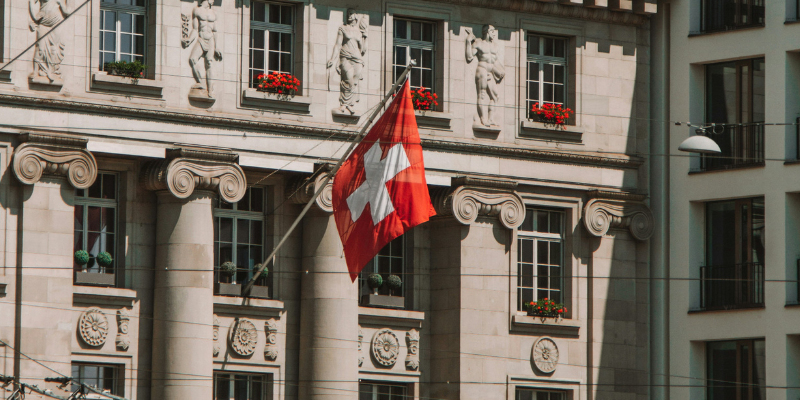
Switzerland: Article 47 of the Banking Act must be amended to include strong public interest protections

Following recent legal developments against journalists reporting on information deemed of public interest but classified under bank secrecy, the European and International Federations of Journalists (EFJ-IFJ) join their Swiss affiliates, impressum and syndicom, in calling for urgent reform of Article 47 of the Swiss Banking Act to include strong public interest protections for journalists and whistleblowers. Article 47 poses a significant threat to watchdog journalism by criminalising the disclosure of confidential banking information without any public interest exception. Journalists who publish leaked information regarding money laundering, tax evasion, and other financial crimes face severe penalties, including up to five years…

MPM2025: What the latest data says about being a journalist in Europe

Conducted by the Centre for Media Pluralism and Media Freedom (CMPF), the Media Pluralism Monitor (MPM) offers one of the most comprehensive assessments of media conditions in Europe. While it evaluates a wide range of topics, the 2025 edition showcases a growing difficulty in the media landscape, caused by decreasing working conditions, employer instability, and an increasingly hostile political climate. Digital safety emerged as the greatest concern, with journalists increasingly targeted by hacking, doxing, surveillance or harassment online. All of these forms of intimidation have been particularly prevalent for journalists covering difficult and polarizing issues such as environmental degradation, corruption,…

Big Tech cannot dismantle the Digital Markets Act

The European Federation of Journalists (EFJ) has expressed concern over reports that the European Commission intends to grant U.S. tech giants a say in the implementation of the Digital Markets Act (DMA). “This disregards the European Parliament, which passed the DMA in 2022 to protect democracy and fair competition. European values must not be sacrificed for dirty deals to avoid car tariffs,” warns Hanna Möllers, legal adviser of the German Journalists’ Association (Deutscher Journalisten-Verband, one of EFJ’s affiliates in Germany). The DMA is intended to curb the dominance of large platforms and create a fairer digital marketplace. It forces the…

Greece: Unions launch first code of ethics for AI in journalism

The Panhellenic Federation of Journalists’ Unions (POESY) launched itsCode of Ethics covering the use of artificial intelligence by journalists at its unveiling event in Athens, on 13 May 2025. Adopted by the five member unions of the federation, the code was developed over the course of a year by a committee of legal experts, journalists and ethics experts.  At the heart of the initiative is a ten point ethical framework that aims to protect journalistic integrity, uphold public trust, and safeguard democratic values, some including training and awareness, journalism ethics as a compass, editorial responsibility,  transparency and accountability, and impartiality…