Ukraine: drone attacks have become one of the key threats facing journalists

Between January and August 2026, the National Union of Journalists of Ukraine (NUJU) documented 28 verified drone-related incidents affecting journalists, media workers, newsrooms and media infrastructure in Ukraine. At least five media workers and newsroom staff were physically injured.
New incidents followed in September. In Sloviansk, a fiber-optic FPV drone destroyed a vehicle used by Spanish photojournalist Diego Herrera and Swedish journalist and writer Mustafa Can, only minutes after they had stepped out of it, on 24 September. Their professional and protective equipment was also destroyed. On 28 September, Radio Liberty video correspondent Marian Kushnir survived a drone attack in central Kyiv.
“These cases, which are becoming increasingly frequent,” comments the EFJ President Maja Sever, “highlight the considerable risks faced by Ukrainian and foreign journalists covering the war waged by Russia in Ukraine, amid the widespread use of drones. We call on the international community to condemn these attacks and to prosecute the perpetrators of these war crimes”.
“The drone threat is evolving faster than the safety protocols and equipment available to journalists,” added Sergiy Tomilenko, NUJU President. “A reporter no longer needs to be on the front line to be in danger, while a single strike on a newsroom can deprive an entire community of trusted information. We urge international partners to help turn this evidence into practical protection — modern detection and warning tools, specialised training, resilient workplaces and sustained support for the Journalists’ Solidarity Centers”.
The European Federation of Journalists (EFJ) is sharing NUJU’s latest policy brief, Drone Warfare and Journalist Safety in Ukraine, which documents the evolving threat and sets out practical recommendations for strengthening the protection of journalists and the resilience of Ukrainian media.
NUJU’s report shows that the threat posed by drones has changed, with the following recent developments:
- the front line is no longer the boundary of the drone risk;
- existing protective technology is falling behind the threat;
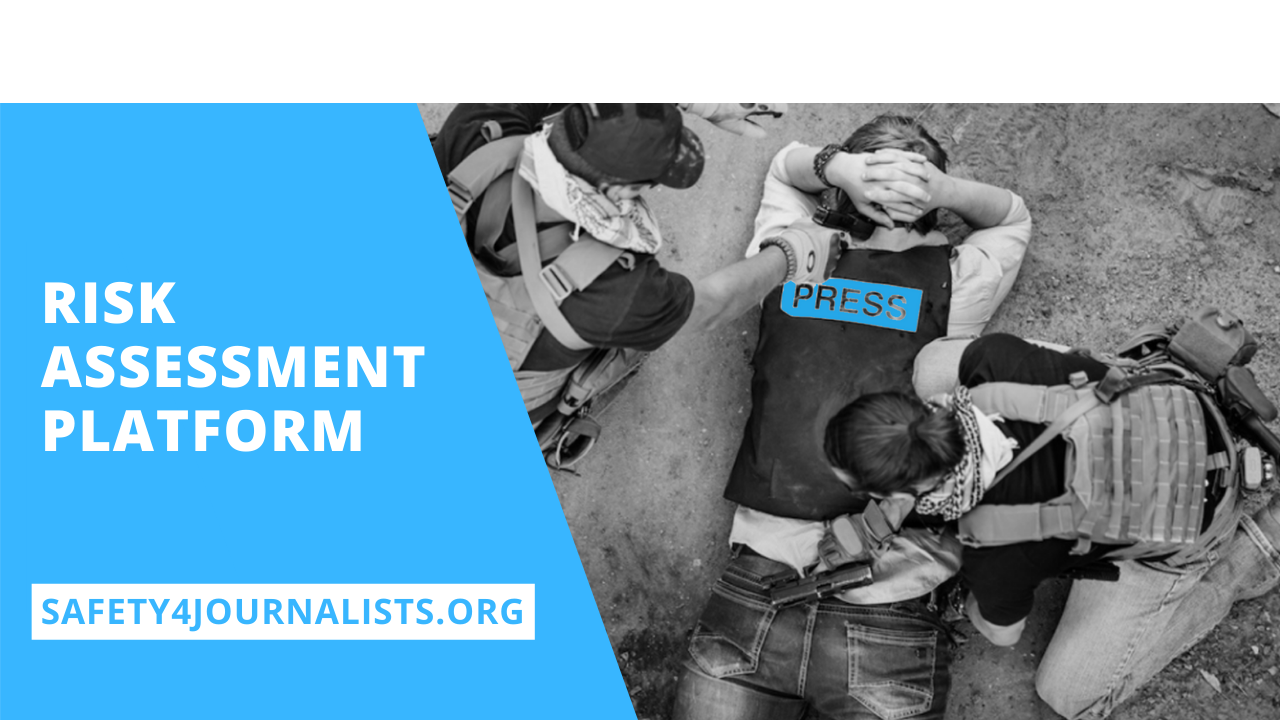
- the changing risk-benefit balance of traditional PRESS markings;
- drones increasingly affect media outlets’ ability to continue operating, not only individual journalists.
Read the report, here:
Skip to PDF content