25 November: AI-enabled violence is a growing threat to women journalists
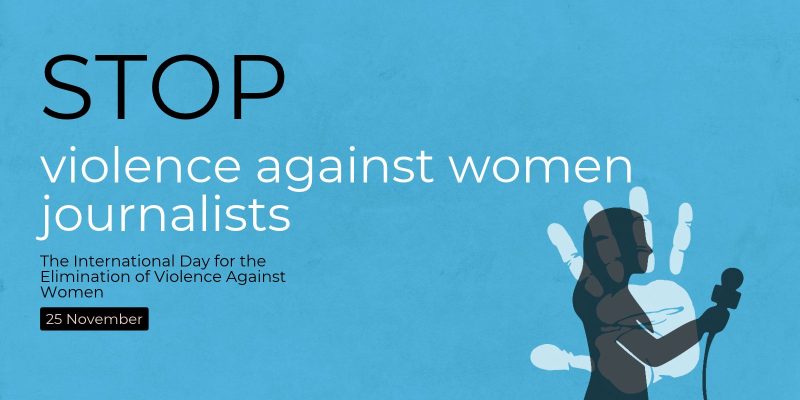
On the International Day for the Elimination of Violence against Women, the European Federation of Journalists (EFJ) and its Gender and Diversity Expert Group (GENDEG) calls for urgent action to end all forms of violence against women journalists and media workers, online and offline.
A particularly alarming trend is the rapid increase in online attacks, which are becoming more common and directly threaten the safety of female journalists. Across Europe, women journalists continue to face harassment, threats, sexual violence, discrimination and gendered disinformation because of their work and public visibility. These attacks are intended to undermine their credibility, restrict their professional freedom and silence their voices.
The EFJ’s 2025 monitoring, conducted with the Media Freedom Rapid Response, documented 53 cases of gender-based violence against women media professionals across EU Member States and candidate countries. Most of these attacks took place online, particularly on social media, and included smear campaigns, threats of sexual violence and sexist abuse.
At the same time, these figures only scratch the surface: according to UNESCO’s, over 70% of female journalists have experienced online violence related to their work.
International research shows that online violence has a “chilling effect”: female journalists avoid sensitive topics due to self-censorship, both on social media and in their professional work, and young female professionals hesitate to enter the profession. This directly undermines media pluralism and deprives the audience of important information.pluralism and democratic debate.
AI: a new source of discrimination and violence against women
The rise of generative artificial intelligence has created new and serious risks: deepfakes, manipulated sexual imagery, non-consensual synthetic intimate content and AI-assisted harassment are being used to humiliate and intimidate women journalists with unprecedented speed and scale. The EFJ stresses that such abuse is gender-based violence, with tangible consequences for victims’ safety, wellbeing and ability to carry out their work.
The European Parliament will this week address the growing risks posed by technology-facilitated gender-based violence, including online harassment, cyberstalking, sextortion and AI-generated sexual deepfakes, which disproportionately affect women. In 2026, the Council of Europe adopted a Recommendation on accountability for technology-facilitated violence against women and girls, recognising that AI and digital technologies can intensify discrimination, inequality and violence against women.
“Violence against women journalists is not an isolated or individual problem: it is a systemic attack on press freedom, gender equality and democracy in Europe. Artificial intelligence must not become a new tool to intimidate, humiliate and silence women who inform the public. We urge media organisations, platforms and public authorities to act decisively, protect women journalists and ensure that no one has to choose between their safety and their right to inform”, says Elena Tarifa, Chair of the EFJ Gender and Diversity Expert Group (GENDEG).
The EFJ calls on EU Member States, candidate countries, the European Commission, digital platforms and media employers to treat online and AI-enabled violence as violence, not as an unavoidable cost of public visibility. Effective implementation of the Digital Services Act and the European Media Freedom Act is also essential to protect journalists from digital harms while safeguarding the public’s right to be informed.
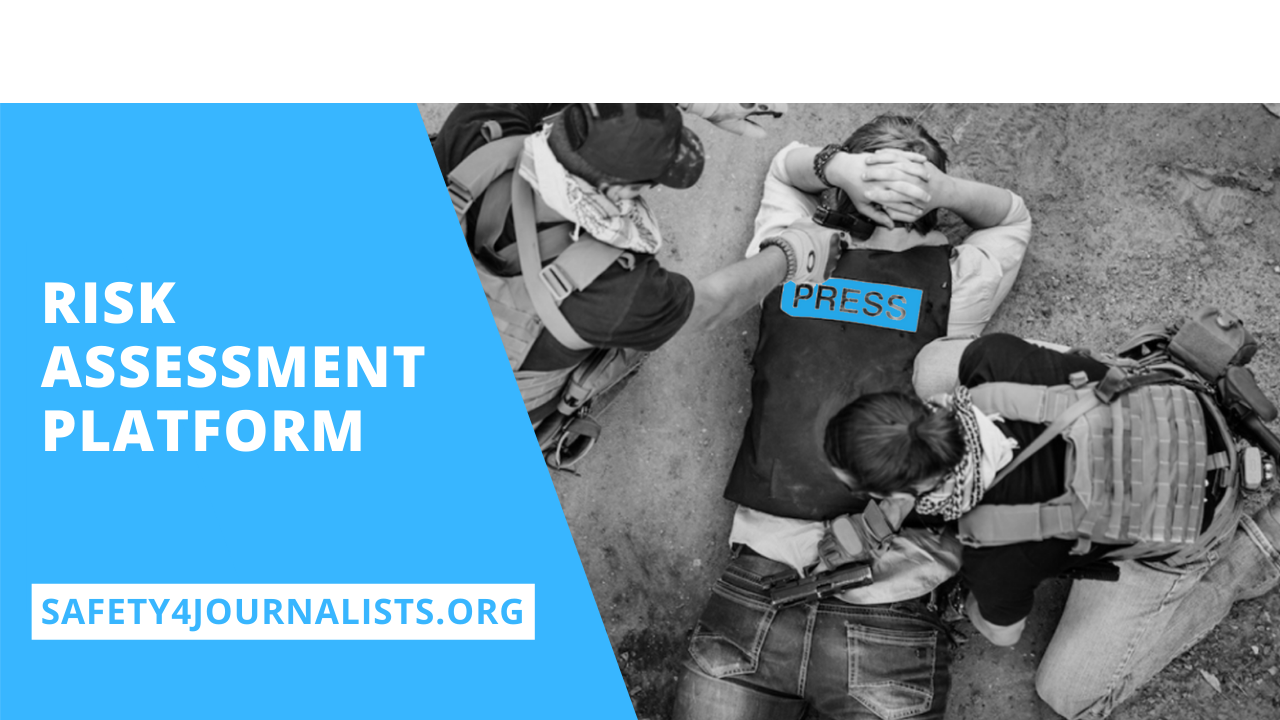
Media organisations must adopt and enforce zero-tolerance policies against harassment and gender-based violence, provide safe reporting channels, carry out risk assessments and protect victims from retaliation. Digital platforms must act promptly against misogynistic abuse, coordinated harassment, doxxing and AI-generated or manipulated intimate content. Governments must ensure effective legal protection, access to justice and support for victims.
Press freedom cannot be separated from the safety and equality of those who practise journalism. On 25 November, the EFJ reaffirms its commitment to defending women journalists and to building a media environment free from violence, sexism and discrimination.