European Federation of Journalists

openMedia, investigating press freedom

Title of the project : openMedia, investigating press freedom
Lead Applicant
: openDemocracy

Partner organisations : EFJ, Index on censorship, King’s College London

The recently launched openMedia project aims to investigate and expose commercial interference in editorial decisions. The project is run by openDemocracy with the European Federation of Journalists (EFJ) as a partner alongside the Index on Censorship and King’s College London.

The project believes that there has not been enough of a concerted, ongoing spotlight on the extent and effects of commercial influence over the media, despite the dangerous consequences it poses for press freedom. For now, the project focuses on 47 countries across Europe but also has ambitions to expand.

Despite the recent launch, the project is adamant that it is not a response to the “fake news” hype of the past year or so. Rather, the project responds to scandals of commercial sponsors influencing media content; for example the Daily Telegraph’s suppression of investigations into its advertiser HSBC; and allegations that Buzzfeed deleted articles which advertisers found unfavourable.

According to the project, this power dynamic can suppress investigations of banks, pharmaceuticals, agriculture, fossil fuel giants, energy companies and other big businesses.

In addition, the project recognizes how for many readers, “sponsored content” is difficult to distinguish from genuine news content. The project therefore aims to clarify the commercial interests apparent in media to readers, and as part of the project, King’s College London will develop digital tools to help readers be better informed about news sources.

The findings of the project will be used to campaign for greater transparency and press freedom in news organisations and to empower journalists to advocate for transparency.

In order to do this, openMedia is currently conducting a confidential and anonymous survey of journalists across Europe, asking about their own working practices and experiences of commercial pressure inside newsrooms. The survey is available in English here and in many other languages here.
Actions

Serbia: Attacks against journalists must stop

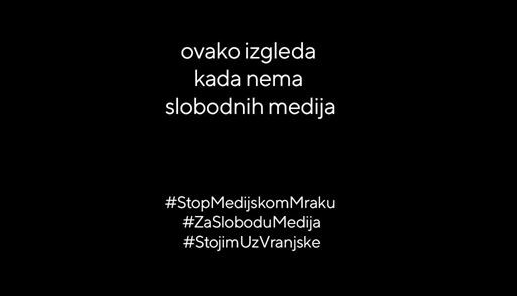
Following the recent media stage black out in Serbia to warn against Serbian leader Aleksandar Vucic‘s muzzling of the press, the European Federation of Journalists (EFJ)’s Steering Committee meeting yesterday (9 October 2017) in Brussels discussed how to best support its affiliates to resist such mounting pressure and coordinate successful advocacy at European and international level. “We ask the European Commission and in particular EU Commissioner Hahn, responsible for European Neighbourhood Policy & Enlargement Negotiations, to be firm and coherent when it comes to enforcement of European standards of freedom of expression and media freedom in Serbia” said Mogens Blicher…

Today is the World Day for Decent Work!

Today is the World Day for Decent Work! A new survey from the International Federation of Journalists (IFJ) shows that unions have helped winning higher pay, saving jobs and securing new collective agreements over the past twelve months. The survey of 60 IFJ affiliates from every continent – released to coincide with World Day for Decent Work – shows that attacks on collective bargaining, low pay and a lack of rights for freelances are threatening to further undermine working conditions for journalists across the globe. A significant majority of unions surveyed highlighted a lack of collective bargaining, a lack of…

Romania: Draft law threatens independence of AGERPRES news agency

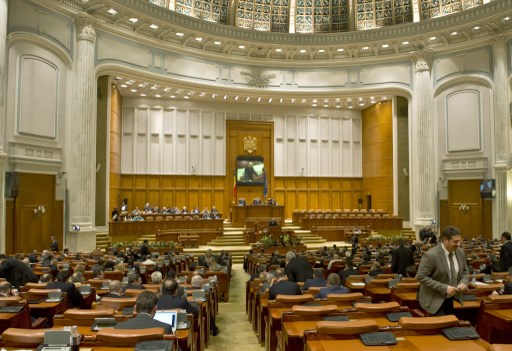
UPDATE (31/10/2017) – On 30 October 2017, 64 senators from the ruling coalition (PSD-ALDE) voted the controversial draft law (16 senators voted against and 27 senators abstained). Alexandru Giboi, AGERPRES General Director, wrote in a press statement that the Romanian minister of Culture “Lucian Romascanu is preparing the dissolution of AGERPRES as an independent press agency”. ————————— The Romanian trade union of journalists MediaSind expressed its concerns about the new draft law intended to regulate the national news agency AGERPRES, to be discussed on 11 October 2017 by the Romanian Parliament. The new law foresees that any political majority could decide to dismiss…

Safety protocol with 16 points for journalists covering conflict zones

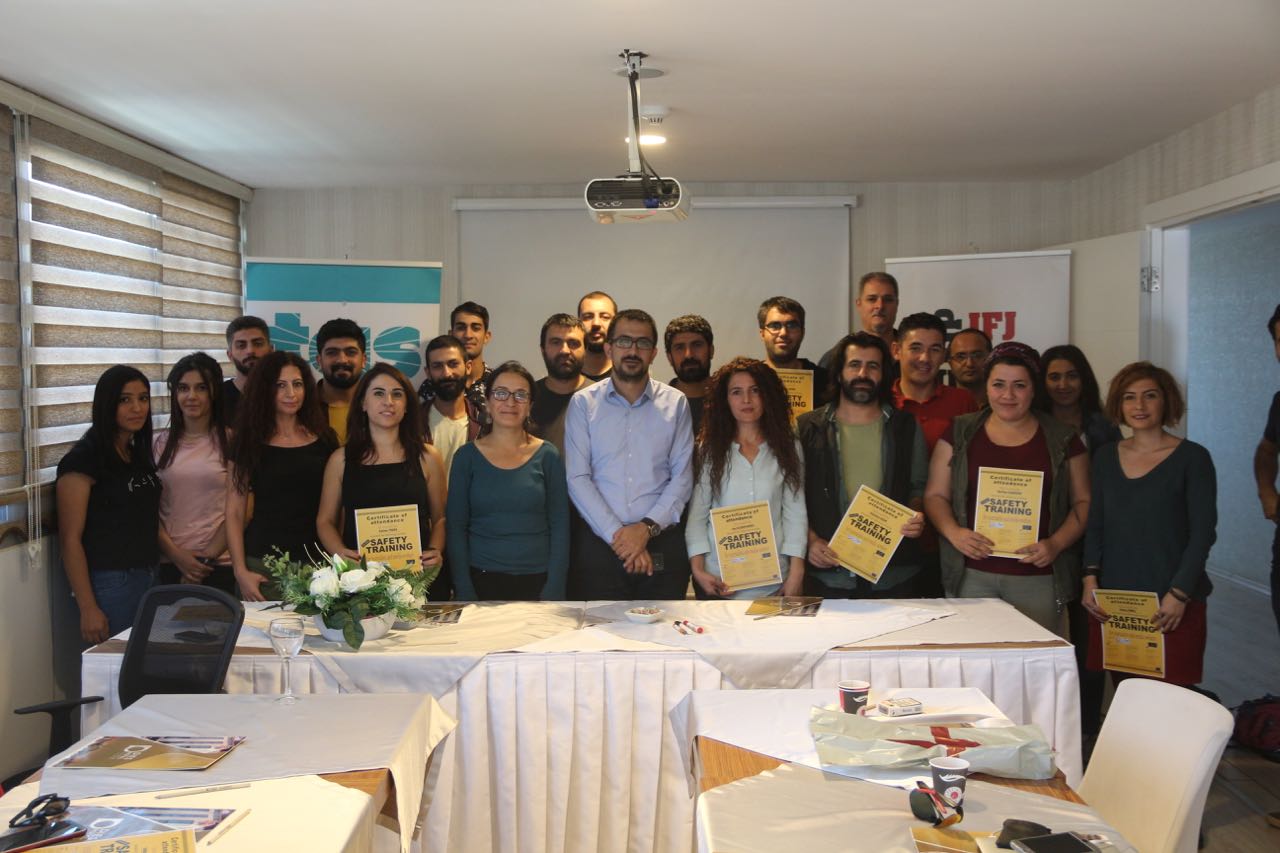
The Journalists Union of Turkey (TGS) in partnership with the European and International Federation of Journalists (EFJ-IFJ) successfully organised a 2-day Safety Workshop in Diyarbakir (Southeast of Turkey) on 03-04 October 2017 for local and visiting journalists regularly covering conflict zones in the region. This workshop was organised in the framework of the IFJ-EFJ-TGS project called #GazetecilikSuçDegildir / #JournalismisNOTaCrime, a campaign to set journalism free, develop trade union rights and defend freedom of expression in Turkey which receives the financial support of the European Instrument for Democracy and Human Rights (EIDHR) Program managed by the European Commission. 30 journalists and media workers…

Journalists harassed for their reports on Hungary’s anti-Soros campaign

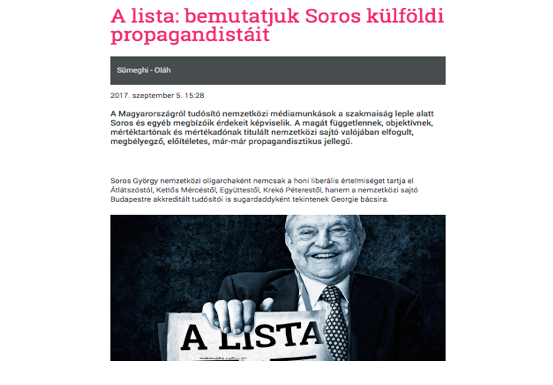
Several journalists working in Hungary for foreign media outlets alerted the European Federation of Journalists (EFJ) about the harassment they have been subjected to. The EFJ condemns those attacks and calls on the Hungarian authorities to stop harassing the journalists in question. “Propagandists”, “spokespeople”, “drug addict”: this is the kind of verbal attacks journalists reporting on Hungary’s campaign against George Soros have received, directly from the government or some pro-governmental media outlets. The EFJ recently submitted the following two cases on the Council of Europe platform for the safety of journalists. The Website 888.hu Publishes a List of Eight Journalists Described as…

Protection of sources: Norwegian journalist won in Strasbourg

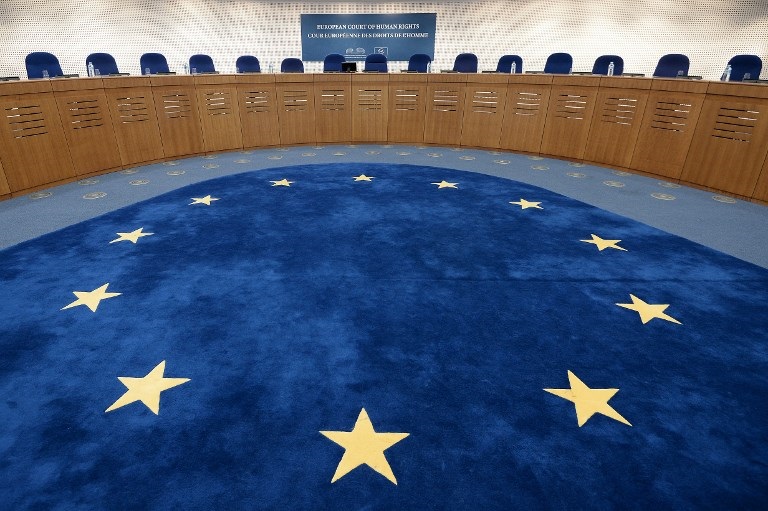
Ordering a journalist to give evidence on a source is not justified, even though the source himself has come forward to the police. That’s the main outcome of a decision of the European Court of Human Rights, today, regarding the case launched in 2012 by Norwegian journalist Cecilie Langum Becker, who was ordered to give evidence on her contacts with her source for an article about the Norwegian Oil Company, and fears that it might collapse. The European Court recalled that a journalist’s protection could not automatically be removed because of a source’s conduct. Bearing in mind its previous judgments emphasising the chilling…