European Federation of Journalists

IFJ-EFJ Regional Development Fund

Czech Republic


The European Federation of Journalists (EFJ) signed an agreement on 18 December 2014 with the Union of Journalists and Media Workers of Czech Republic (OSNPM) in order to investigate the working conditions of Czech journalists and media workers. The project is implemented with the cooperation of Judith Reitstatter, from the Austrian union GPA-djp.

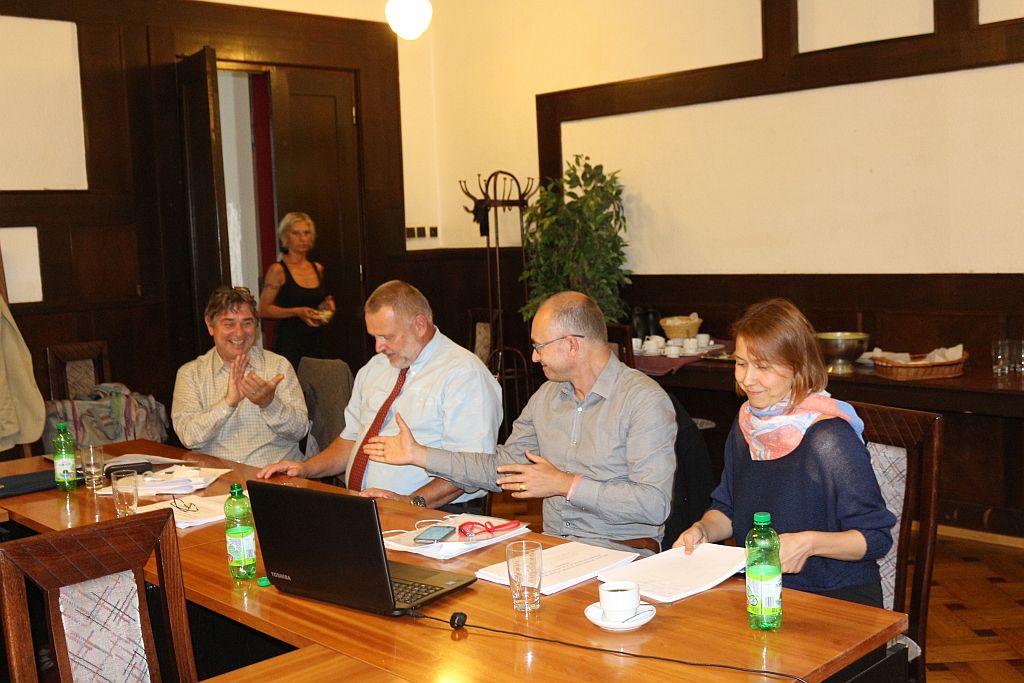
The online survey was launched on 19 May 2015. Around 2,500 journalists and media workers were invited to participate to the survey. The EFJ, OSNPM and GPA-djp analysed together the main outcomes of the survey during a round table conference, on 19 August 2015, in Prague.

The questionnaire focus mainly on labour rights. “This area is underestimated by the Czech media, journalists themselves and their employers as well,” explains Zdeněk Kučera, chairman of OSNPM.

“Over the past 25 years, journalists’ attention was focused primarily toward freedom of speech, access to information, relations with media ownership and the development of media houses. These are very serious topics. However, journalists’ status remained grossly underrated. A specific problem is the status of freelance journalists, which are increasingly numerous, particularly in regional media.”

The main findings of the survey are available on the EFJ website, here.
FOCUS EFJ

Side event of our project: a high school magazines national competition (Nejinspirativnější středoškolský časopis 2015). Here are the winners (picture credit: F. Cakl):

Czech

Contact details: OSNPM, e-mail: odborovy-svaz-novinaru@seznam.cz, website: http://www.odborovysvaznovinaru.cz


Slovakia

The European Federation of Journalists (EFJ), its Austrian union GPA-djp and the Slovak Union of Journalists (Slovenský syndikát novinárov) organized a meeting in Vienna, on 30 October 2014. Trade unionists and media students from both countries met in GPA-djp offices, in Vienna. The discussion on media convergence was launched by Dr. Roman Hummel, from the university of Salzburg.

Contact details: Judith Reitstaetter, judith.reitstaetter (at) gpa-djp.at


Estonia

The European Federation of Journalists (EFJ), the Estonian Union of Journalists (Eesti Ajakirjanike Liit, EAL) and the Union of Journalists in Finland (Suomen Journalistiliitto, UJF) agreed on 6 February 2015 to jointly implement the project “Workshops to Strengthen Journalists’ organisation in Estonia”.

The main objective of the project is to strengthen journalists’ organisation in Estonia, through three activities:

  • a freelance workshop in Helsinki,
  • a radio & TV negotiators workshop in Helsinki,
  • an authors’ rights seminar in Tallinn.

An action plan will be proposed for the next period.

Contact details: Juha Rekola, Juha.Rekola (at) journalistiliitto.fi, and Helle Tiikmaa, helle (at) eal.ee
 

Actions

Belarus: more media censorship and control with new amendments of the Media Law

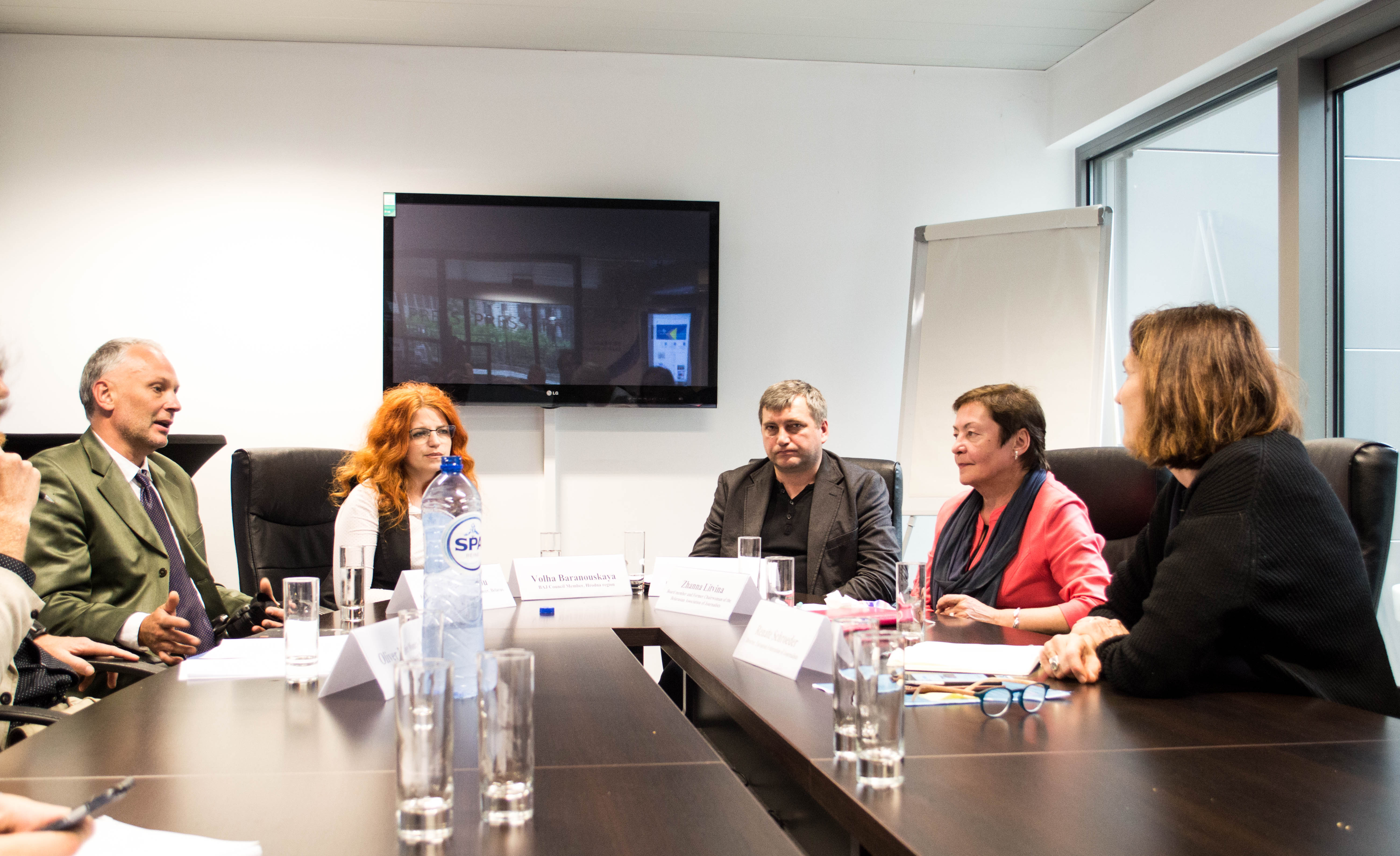
The crackdown on Belarusian journalists has been intensifying, with 50 fines already issued during 2018, mostly for cooperation with foreign media, and in numerous cases, the amounts were exceeding the average salary of the country, highlighted Andrei Bastunent, the chairperson of Belarus Association of Journalists (BAJ) during a press conference in Brussels back in June 2018. The representatives of BAJ visited Brussels on 19th of June, 2018, as a part of IFJ and EBU cooperation “Media for Democratic Belarus”, to meet the European Institutions and OSCE for discussing the new amendments of the Media Law, as well as the situation of the freedom of press…

EP vote on copyright directive: some ups and downs

Following months of debates and controversial discussions, the European Parliament’s Legal Affairs Committee (JURI) adopted today its position on a Proposal for a Directive on copyright in the Digital single market. The International and the European Federation of Journalists (IFJ and EFJ) applauds the positive outcome of the vote regarding the transparency triangle but warns against dangerous provision that are directly affecting journalists’ authors’ rights. The IFJ and EFJ join the voices of European authors’ organisations in welcoming the backing by an overwhelming majority of eurodeputies of the transparency triangle forcing publishers and broadcasters to provide regular reporting on the exploitation…

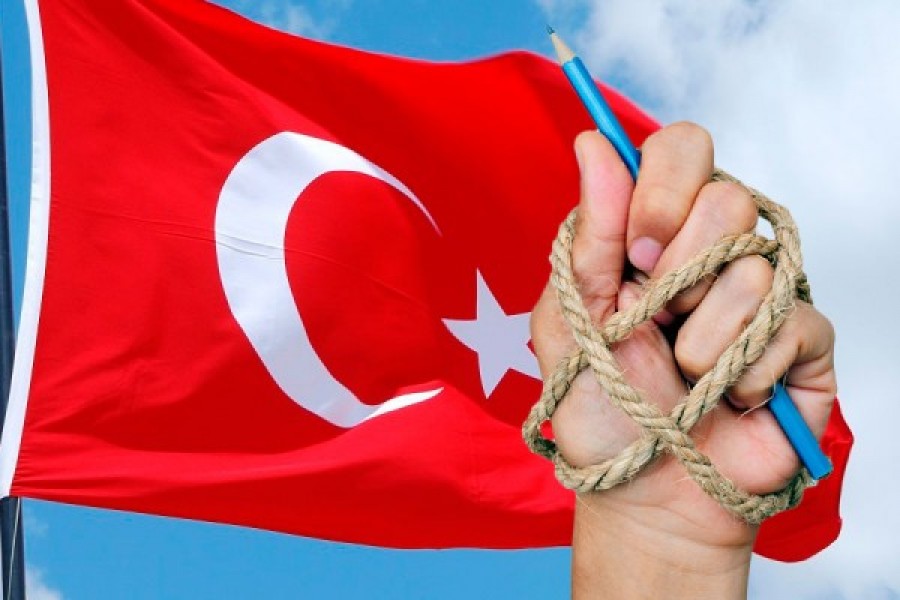
An open letter for the attention of the future President of the Republic of Turkey

Seventeen international freedom of expression and professional organisations have sent a joint letter with their demands for how to protect and strengthen media freedom and independent journalism in Turkey to all candidates in the upcoming presidential elections : Your term starts in critical times. Freedom of expression in particular has declined drastically in the last couple of years in your country. To this day, more than 150 journalists remain in prison, thousands of critical thought leaders have lost their jobs and a large number of them have left the country. We, the undersigned international freedom of expression and professional organisations,…

Hands off our authors rights, say journalists ahead of EP vote on copyright directive

The European Parliament’s Legal Affairs Committee will vote tomorrow on a landmark Directive that could have positive effects on journalists’ authors’ rights and on our profession’s revenues. However, a number of amendments have been tabled to jeopardise significant benefits for journalists. While the current draft proposal to be voted on tomorrow introduces some key elements that would strengthen journalists’ bargaining power, namely a transparency obligation on their media employers to report on the exploitation that is made of journalistic works, several amendments clearly intend to seriously reduce the scope of the transparency obligation. One of the most controversial issues in…

Apply for BIRN Summer School of Investigative Reporting 2018 scholarship

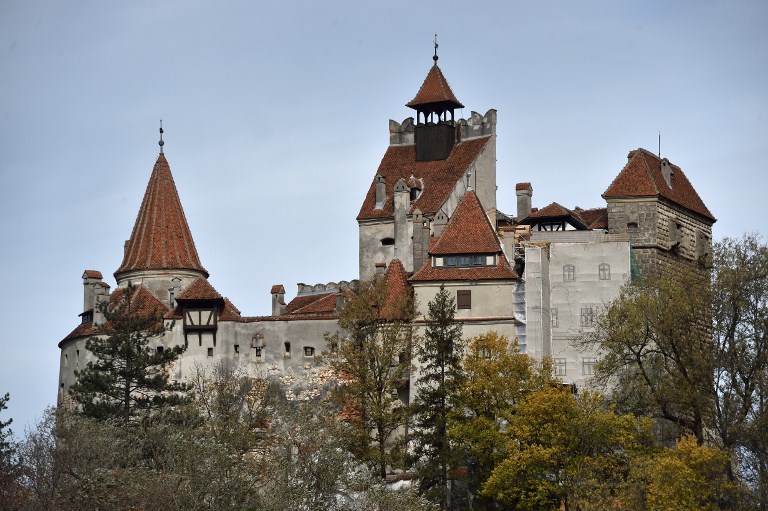
BIRN will be gathering some of the world’s best-known editors and trainers to a Romanian resort in Poiana Brasov to teach the course members investigative tips and tricks. The training will be lead by one of the best investigative editors in the US, Reuters’ Blake Morrison, a three-times finalist for the Pulitzer investigative award, together with the New York Times senior journalist Christoph Koettl; co-creator of one of the best podcast series in US and winner of an Emmy and three Peabody awards Susanne Reber; Knight International Journalism Award winner and OCCRP editor Miranda Patrucic; European Press Prize winner Bellingcats’ Christiaan Triebert; ICIJ journalist Matthew Caruana Galizia and award winning BIRN’s investigative editor, Lawrence…

Publishers and tech companies should take responsibility for fixing misinformation, says 2018 Digital News Report

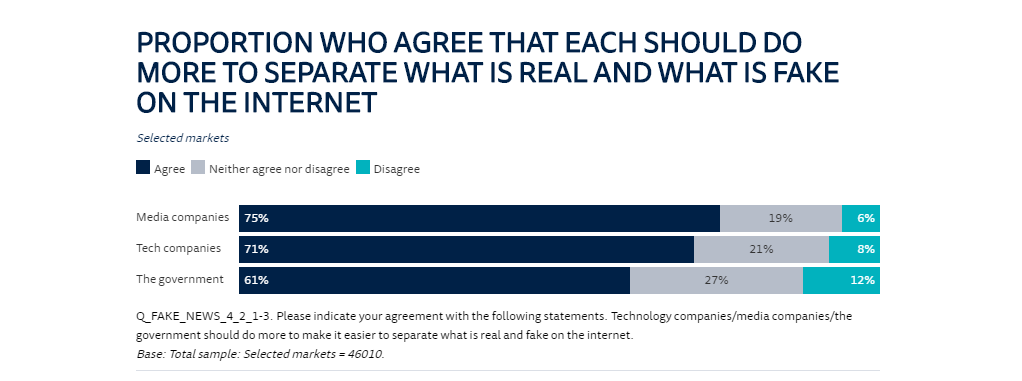
Concerns on the quality and reliability of news has grown globally during the year 2017-2018, and consumers are expecting the media companies and technology companies to take action against the misinformation, while the opinions are much more mixed when it comes to government intervention in these cases. The 2018 Digital News Report, published on 14 June by the Reuters Institute for the study of journalism, reveals more interesting patterns and changes in the behaviour of news consumption globally. Growing concerns on misinformation The research shows that 54% of respondents globally are concerned about what is real or fake on internet.…