European Federation of Journalists

openMedia, investigating press freedom

Title of the project : openMedia, investigating press freedom
Lead Applicant
: openDemocracy

Partner organisations : EFJ, Index on censorship, King’s College London

The recently launched openMedia project aims to investigate and expose commercial interference in editorial decisions. The project is run by openDemocracy with the European Federation of Journalists (EFJ) as a partner alongside the Index on Censorship and King’s College London.

The project believes that there has not been enough of a concerted, ongoing spotlight on the extent and effects of commercial influence over the media, despite the dangerous consequences it poses for press freedom. For now, the project focuses on 47 countries across Europe but also has ambitions to expand.

Despite the recent launch, the project is adamant that it is not a response to the “fake news” hype of the past year or so. Rather, the project responds to scandals of commercial sponsors influencing media content; for example the Daily Telegraph’s suppression of investigations into its advertiser HSBC; and allegations that Buzzfeed deleted articles which advertisers found unfavourable.

According to the project, this power dynamic can suppress investigations of banks, pharmaceuticals, agriculture, fossil fuel giants, energy companies and other big businesses.

In addition, the project recognizes how for many readers, “sponsored content” is difficult to distinguish from genuine news content. The project therefore aims to clarify the commercial interests apparent in media to readers, and as part of the project, King’s College London will develop digital tools to help readers be better informed about news sources.

The findings of the project will be used to campaign for greater transparency and press freedom in news organisations and to empower journalists to advocate for transparency.

In order to do this, openMedia is currently conducting a confidential and anonymous survey of journalists across Europe, asking about their own working practices and experiences of commercial pressure inside newsrooms. The survey is available in English here and in many other languages here.
Actions

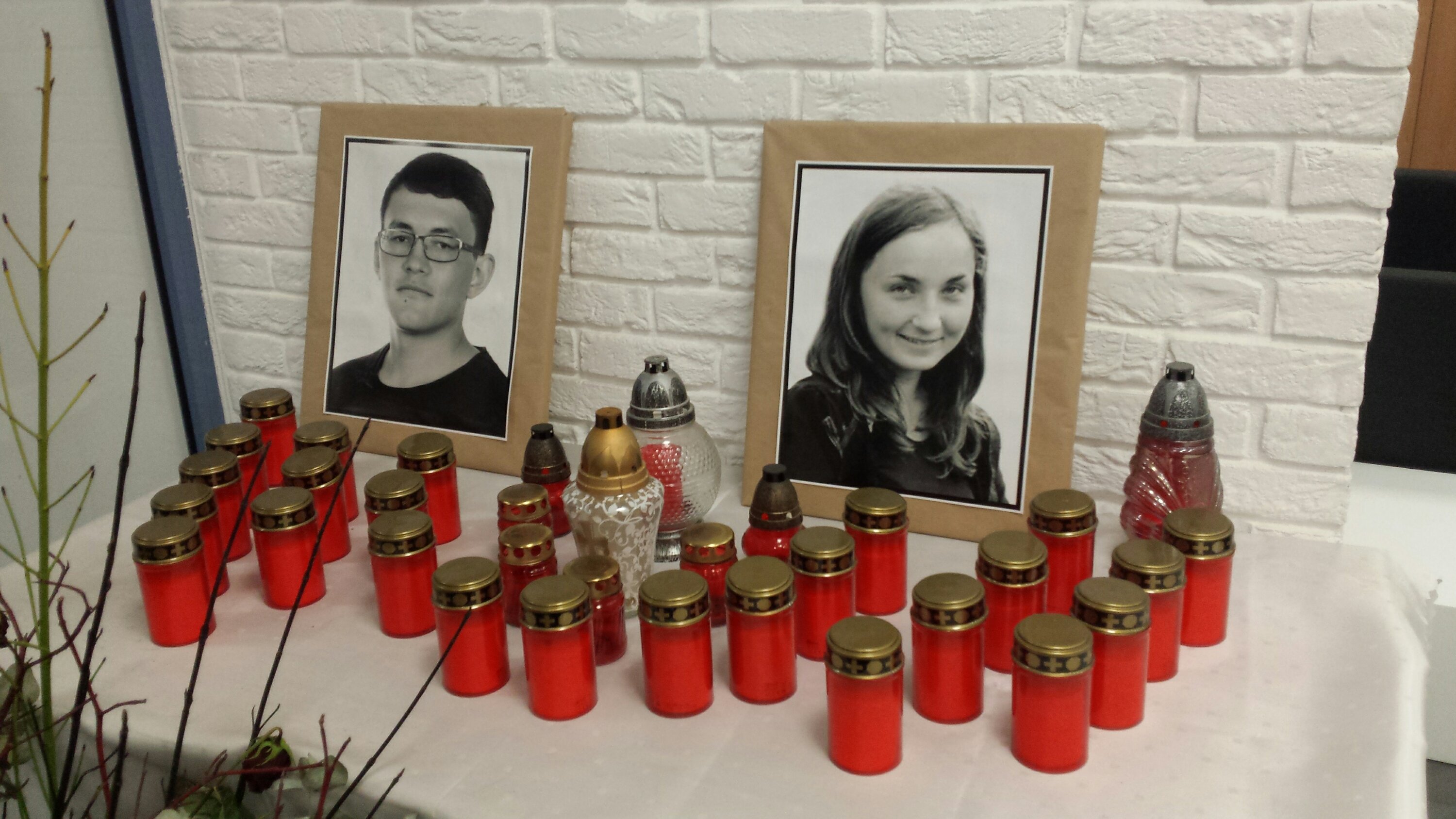
February 21st – Brussels vigil for Slovak journalist Jan Kuciak – One year on

Thursday 21 February marks the one-year anniversary of the brutal assassination of Slovak investigative journalist Jan Kuciak and his fiancée Martina Kusnirova. Yet justice has not been brought for these murders. Reporters Without Borders (RSF), the European Federation of Journalists (EFJ), the Committee to Protect Journalists (CPJ) and Transparency International invite you to join us for a vigil outside the Residence Palace in Brussels at 1 pm to honor the bravery of Jan Kuciak and to make clear that the pressure on Slovak authorities to investigate this double murder will be kept up. Despite undeniable progress in the investigation, the…

EU Copyright Directive is a step in the right direction but still needs to be improved

The first copyright law reform in the EU in almost two decades is designed to give authors, artists, musicians, journalists and publishers a better chance of being paid when their work appears on the internet. A final draft of the new EU Copyright Directive was approved on Wednesday night in Strasbourg. It now needs approval by EU governments at meeting that is likely to be next week and will then be voted on by the European Parliament in March or April. “The Directive offers improved rewards for all authors, including reporters, feature writers and photographers. It is not perfect –…

Open letter: Making whistleblowing work for Europe

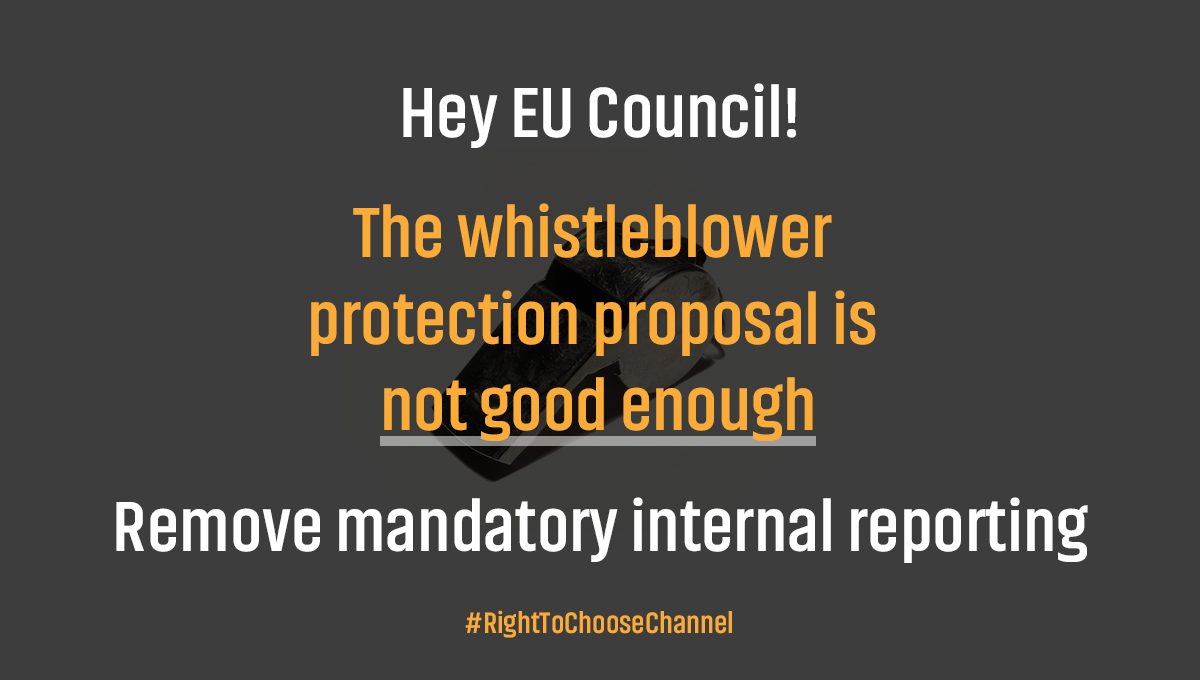
The EU is poised to take a momentous step and adopt a new directive to protect whistleblowers across Europe. This could have a dramatic impact on the capacity and ability of whistleblowing to work in all our interests. We know that protecting those who speak up in the public interest saves lives, protects our environment, reveals and stops corruption, and stems the huge financial losses to business and governments that result from failures to address wrongdoing. It is vital that an EU Directive on the protection of whistleblowers protects the free flow of information necessary for responsible exercises of institutional…

New copyright directive makes a mockery of journalists’ authors’ rights

After months of speculation, EU institutions last night agreed the wording of a proposed Directive on Copyright in the Digital Single Market, which risks journalists being deprived of their authors’ rights and denied ‘’proportionate remuneration’’ for the work they do. The new proposal does introduce the principle of an appropriate and proportionate remuneration for all authors, including journalists, place transparency obligations on publishers and open up the possibility of alternative dispute mechanisms which could avoid lengthy and expensive court cases. It also allows authors to be represented by their unions in that process. The International and the European Federations of…

Resolution Turkey: The myth of domestic legal remedy

Nearly 50 MEPs join the resolution supported by the EFJ calling for restoration of rule of law and release of Turkey’s journalists. MEP Rebecca Harms (centre) at a roundtable on press freedom in Turkey at the European Parliament in January 2019 A total of 47 MEPs and 14 press freedom and free expression organizations, including the EFJ, and Green MEP Rebecca Harms have joined a resolution underscoring the lack of effective domestic legal remedies for journalists targeted in Turkey’s media crackdown. The resolution follows a roundtable held under Chatham House Rules on January 29, 2019, at the European Parliament on…

Report: Urgent action needed to protect press freedom in Europe

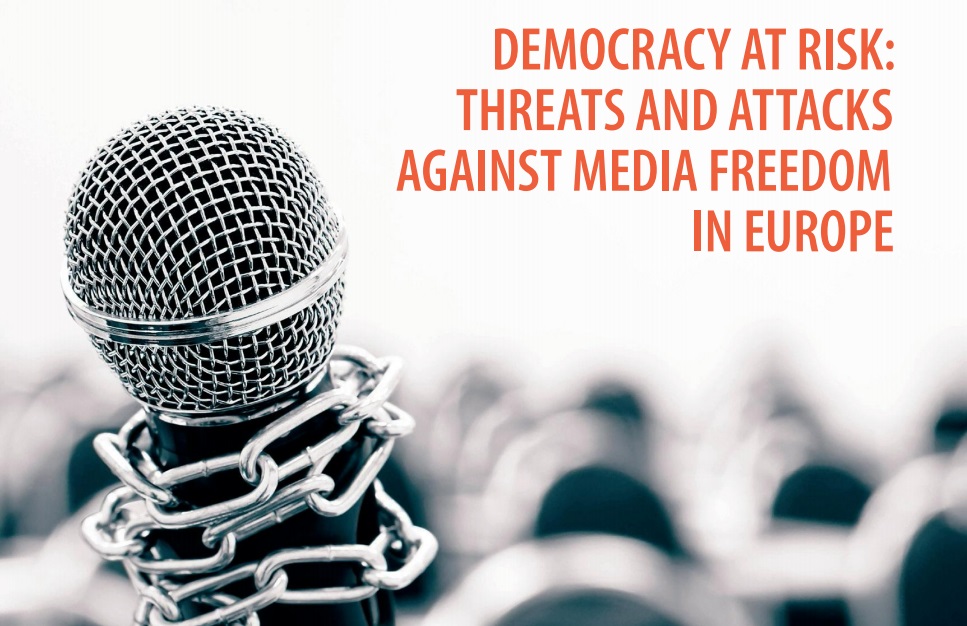
Press freedom in Europe is more fragile now than at any time since the end of the Cold War. That is the alarming conclusion of a report launched today by the 12 partner organizations of the Council of Europe Platform to promote the protection of Journalism and safety of journalists. The report, “Democracy at Risk”, analyses media freedom violations raised to the Platform in 2018. It provides a stark picture of the worsening environment for the media across Europe, in which journalists increasingly face obstruction, hostility and violence as they investigate and report on behalf of the public. The 12 Platform partners…