European Federation of Journalists

openMedia, investigating press freedom

Title of the project : openMedia, investigating press freedom
Lead Applicant
: openDemocracy

Partner organisations : EFJ, Index on censorship, King’s College London

The recently launched openMedia project aims to investigate and expose commercial interference in editorial decisions. The project is run by openDemocracy with the European Federation of Journalists (EFJ) as a partner alongside the Index on Censorship and King’s College London.

The project believes that there has not been enough of a concerted, ongoing spotlight on the extent and effects of commercial influence over the media, despite the dangerous consequences it poses for press freedom. For now, the project focuses on 47 countries across Europe but also has ambitions to expand.

Despite the recent launch, the project is adamant that it is not a response to the “fake news” hype of the past year or so. Rather, the project responds to scandals of commercial sponsors influencing media content; for example the Daily Telegraph’s suppression of investigations into its advertiser HSBC; and allegations that Buzzfeed deleted articles which advertisers found unfavourable.

According to the project, this power dynamic can suppress investigations of banks, pharmaceuticals, agriculture, fossil fuel giants, energy companies and other big businesses.

In addition, the project recognizes how for many readers, “sponsored content” is difficult to distinguish from genuine news content. The project therefore aims to clarify the commercial interests apparent in media to readers, and as part of the project, King’s College London will develop digital tools to help readers be better informed about news sources.

The findings of the project will be used to campaign for greater transparency and press freedom in news organisations and to empower journalists to advocate for transparency.

In order to do this, openMedia is currently conducting a confidential and anonymous survey of journalists across Europe, asking about their own working practices and experiences of commercial pressure inside newsrooms. The survey is available in English here and in many other languages here.

Actions

The Charter on journalists working conditions (full document)

The EFJ Charter on Journalists Working Conditions is a guideline on working conditions, signed on 12 February 2019 in Belgrade (Serbia), by 14 journalists’ organisation representatives affiliated to the European Federation of Journalists and leading journalists’ unions from Western Balkans and Turkey. The Charter is open for signature to all journalists organisations, private or public media companies or authorities willing to commit to improve the working conditions and reinforce the labour rights of journalists and media workers in Europe, to fight against censorship and to promote free access to information and sources. The Charter contains 10 articles condensing the main principles affecting the working relationship between journalists,…

EFJ to launch a new Charter on Journalists Working Conditions

On February 12, 2019, the European Federations of Journalists (EFJ)’s labour rights expert group (LAREG) members will officially launch a new Charter on journalists working conditions during a press conference organised in Belgrade at : speakers : members of the labour rights expert group (LAREG+) in EU, Western Balkans and Turkey Subject : Launch of EFJ Charter on journalists working conditions Date : Tuesday 12 February 2019 at 10:00 am Location : Press centar UNS, street Kneza Mihaila 6, Belgrade language : English and Serbian registration : free access (no accreditation required for journalists) contact : mehmet@europeanjournalists.org / camille@europeanjournalists.org    …

France: Mediapart secret sources threatened by police search attempt

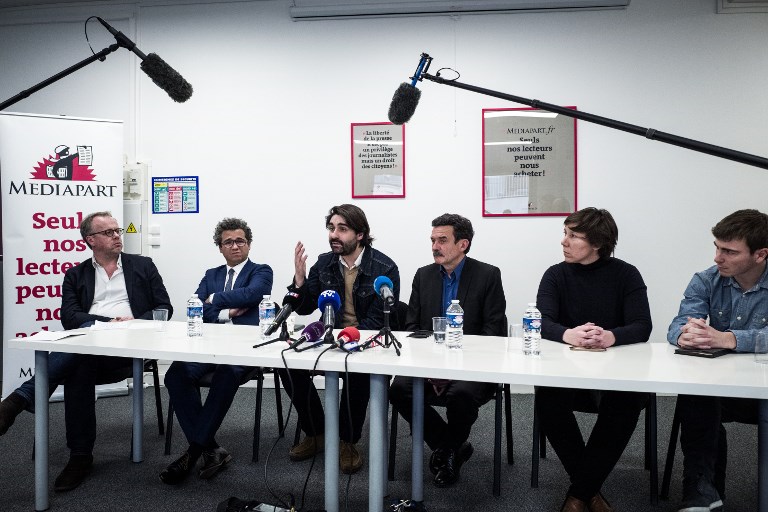
On February 4, 2019 around 11 a.m., under the pretext of Mediapart having breached the privacy rights of Alexandre Benalla, the Paris Prosecutor’s office sent two prosecutors and three policemen to search its offices. The attempted search clearly targeted the “recording and listening devices” to uncover the sources of the last revelations, audio recordings, between Alexandre Benalla and Vincent Crase. Fabrice Arfi and Michaël Hajdenberg both heading the investigative journalism pool at Mediapart opposed the search in the absence of its President and founder, journalist Edwy Plenel. As a rule, during a preliminary enquiry, the media has the right to refuse entry…

In the UK and France, freelance journalists stand up for their rights to fairer, better and faster pay

Both in France and the UK, freelance media workers have joined forces to tackle the unlawful working practices of media owners. They demand the end of payment on publication, to be paid for all their work, not just on the basis of what has been published, only after it has been published. They also expect to receive payments promptly, instead of enduring huge delays and being left out of pocket. Media workers are under pressure from employers who are cutting editorial budgets, slashing jobs and undermining trade union organisations. Many journalists have been forced into what we call “fake freelance”…

Copyright Directive: IFJ/EFJ reject the Romanian compromise

The International and European Federations of Journalists (IFJ/EFJ), the world and Europe’s largest journalists’ organisations, call on EU Institutions to reject provisions and proposals that aim to restrict or obliterate journalists’ remuneration, ahead of final negotiations on the Directive on Copyright in the Digital Single Market (DSM). It is with great dismay and disbelief that the IFJ and the EFJ have read the EU Presidency’s latest proposals regarding journalists’ remuneration in the context of the draft legislation. While floating a possible compromise idea of an “appropriate and proportionate” remuneration for authors in Recital 39Y and presumably in Article -14, the…

Belgium enforces largely opposed €50 security check fee to cover the EU

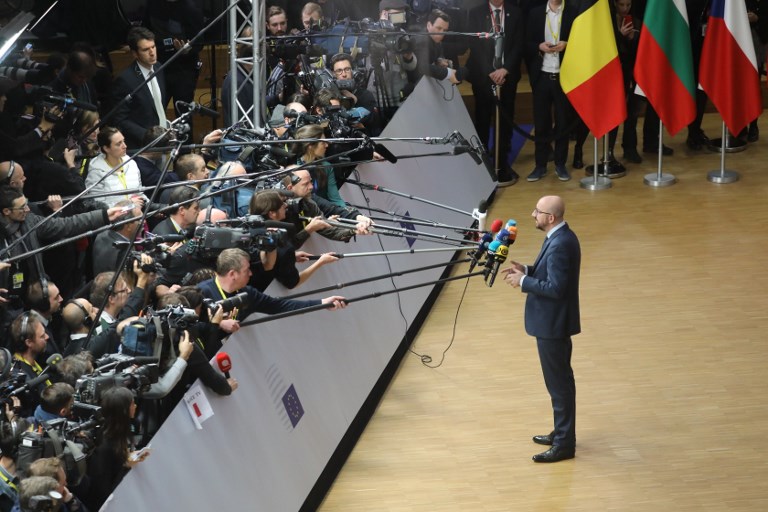
The Belgian government passed a bill  or “Taxe Michel” forcing media workers (journalists and technicians), residing in Belgium or Belgian, to pay a mandatory €50 fee for the security screening document it delivers to authorize access to EU events. It debuted at last October’s EU Summit. The Belgian Union of Journalists (AJP) opposed the law 6 months ago to no avail. About 1000 journalists, either Belgian or residing in Belgium, will be forced to pay the fee. Belgium has now started billing journalists or their employers and the European Federation of Journalist joins the AJP ‘s recommendation to refuse to…