European Federation of Journalists

openMedia, investigating press freedom

Title of the project : openMedia, investigating press freedom
Lead Applicant
: openDemocracy

Partner organisations : EFJ, Index on censorship, King’s College London

The recently launched openMedia project aims to investigate and expose commercial interference in editorial decisions. The project is run by openDemocracy with the European Federation of Journalists (EFJ) as a partner alongside the Index on Censorship and King’s College London.

The project believes that there has not been enough of a concerted, ongoing spotlight on the extent and effects of commercial influence over the media, despite the dangerous consequences it poses for press freedom. For now, the project focuses on 47 countries across Europe but also has ambitions to expand.

Despite the recent launch, the project is adamant that it is not a response to the “fake news” hype of the past year or so. Rather, the project responds to scandals of commercial sponsors influencing media content; for example the Daily Telegraph’s suppression of investigations into its advertiser HSBC; and allegations that Buzzfeed deleted articles which advertisers found unfavourable.

According to the project, this power dynamic can suppress investigations of banks, pharmaceuticals, agriculture, fossil fuel giants, energy companies and other big businesses.

In addition, the project recognizes how for many readers, “sponsored content” is difficult to distinguish from genuine news content. The project therefore aims to clarify the commercial interests apparent in media to readers, and as part of the project, King’s College London will develop digital tools to help readers be better informed about news sources.

The findings of the project will be used to campaign for greater transparency and press freedom in news organisations and to empower journalists to advocate for transparency.

In order to do this, openMedia is currently conducting a confidential and anonymous survey of journalists across Europe, asking about their own working practices and experiences of commercial pressure inside newsrooms. The survey is available in English here and in many other languages here.
Actions

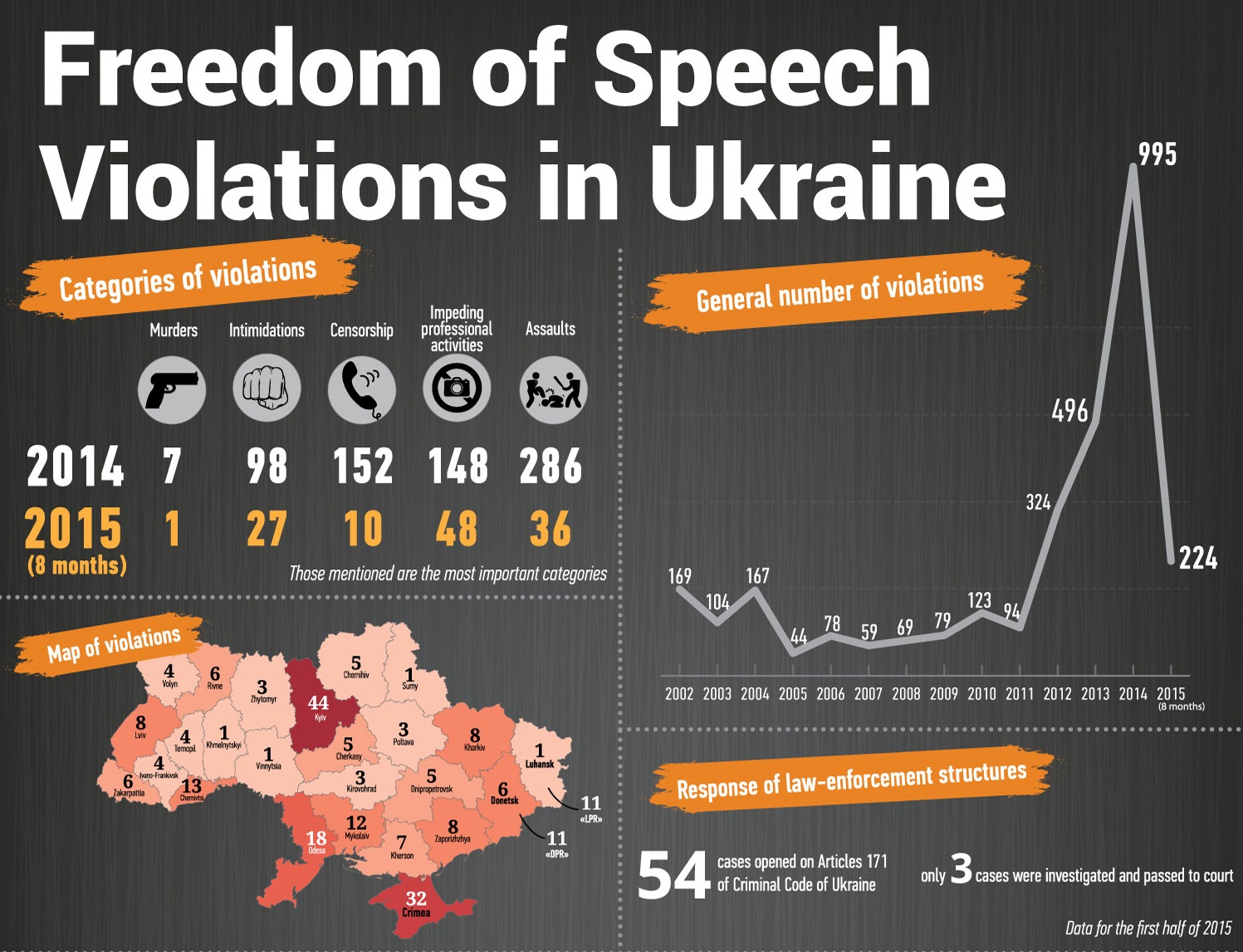
Ukraine bans 38 European journalists and bloggers

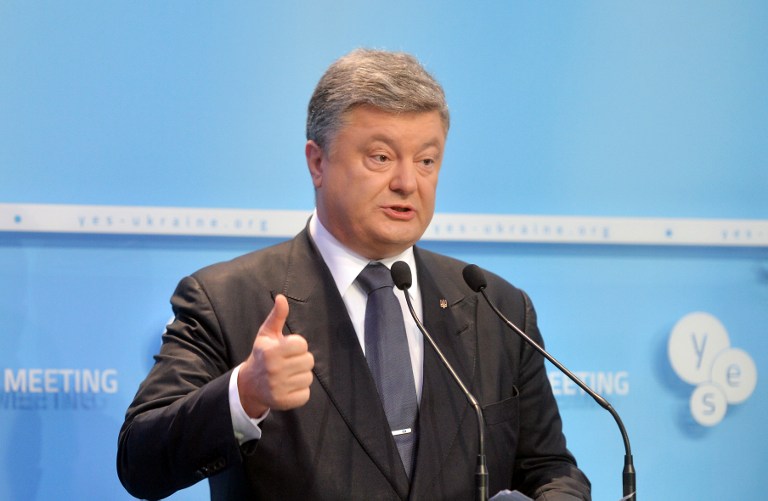
The International Federation of Journalists (IFJ) and the European Federation of Journalists (EFJ) today strongly condemned the Ukrainian President Petro Poroshenko’s decision to ban at least 38 international journalists and bloggers from the country for one year. The President’s decree, which was signed yesterday and published on the presidential website, names 388 people representing an “actual or potential threat to national interests, national security, sovereignty and territorial integrity of Ukraine.” The IFJ and the EFJ call on the Ukrainian government to remove the journalists’ names from this list. Poroshenko said the list targeted people involved in Russia’s 2014 annexation of…

EFJ-IFJ conference to tackle press freedom and labour rights in Turkey

The European Federation of Journalists (EFJ), the International Federation of Journalists (IFJ), the Journalists Union of Turkey (TGS) and the Journalists Association of Turkey (TGC) will be jointly hosting the conference ‘Turkey: Fighting for journalists’ rights and freedoms in a politically polarized country’ in Istanbul 17/18 September 2015. This international conference is the culmination of five years campaigning on journalists’ rights, freedoms, working conditions and capacity building for the journalist trade union organisation whose strength is fundamental to the future protection and promotion of Turkish journalism. The political context in which the conference will be taking place could not be…

Remembering Georgy Gongadze – End media violations in Ukraine

The International Federation of Journalists (IFJ) and the European Federation of Journalists (EFJ), today joined Ukraine’s journalists in commemorating the 15th Anniversary of the murder of Ukraine investigative journalist Georgy Gongadze. On 16 September 2000, Georgy Gongadze’s body was left beheaded in the forest outside Kiev. He was killed as punishment for his exposures of government corruption and the case sparked worldwide condemnation and a global campaign for the prosecution of his killers. After years of investigations, four former officers of the SBU were eventually convicted of Gongadze’s murder, but the people responsible for ordering it remain free. “Today we…

International conference to counter online abuse and harassment of female journalists

The European Federation of Journalists (EFJ), represented by its President, Mogens Blicher Bjerregård, will participate to a conference in Vienna on countering online abuse of female journalists held by the Organisation for Security and Co-operation in Europe (OSCE) Representative on Freedom of the Media in Vienna on 17 September. The conference will gather experts in the field to help increase understanding and gravity of the issues involved best practices and possible solutions to tackle the mounting number of online threats targeting female journalists. Among the EFJ members, they rarely received reports of harassment by journalists and the problem is not widely…

Spanish journalist Manuel Martorell accused of terrorist and denied entry to the U.S.

The European Federation of journalists (EFJ) and the Spanish Federation of Unions of Journalists (FeSP) denounce the American authorities for refusing the visa application of the Spanish journalist Manuel Martorell who works for the online information website cuartopoder.es. An official of the US consulate in Madrid first explained that the visa refusal was based on the homonymy between the journalist and an Ecuadorian national who is the subject of a legal proceeding in the United States. A few days later, the Vice-Consul, Ms. Julie P. Akey signed a letter stating that the visa refusal was due to Martorell’s “terrorist activities”…

Map recording threats to journalists in Europe relaunches and expands to Russia, Ukraine and Belarus

Index on Censorship, the European Federation of Journalists and Reporters Without Borders are delighted to announce the expansion and redesign of Mapping Media Freedom, which records threats to journalists across Europe, and which will now also cover Russia, Ukraine and Belarus. First launched in May 2014, the map documents media freedom violations throughout the European Union and neighbouring countries including the Balkans and Turkey. More than 700 reports were logged on the map in its first year, lifting the lid on the everyday threats to media freedom that have previously gone largely unreported or undocumented. “Mapping Media Freedom has highlighted…