European Federation of Journalists

openMedia, investigating press freedom

Title of the project : openMedia, investigating press freedom
Lead Applicant
: openDemocracy

Partner organisations : EFJ, Index on censorship, King’s College London

The recently launched openMedia project aims to investigate and expose commercial interference in editorial decisions. The project is run by openDemocracy with the European Federation of Journalists (EFJ) as a partner alongside the Index on Censorship and King’s College London.

The project believes that there has not been enough of a concerted, ongoing spotlight on the extent and effects of commercial influence over the media, despite the dangerous consequences it poses for press freedom. For now, the project focuses on 47 countries across Europe but also has ambitions to expand.

Despite the recent launch, the project is adamant that it is not a response to the “fake news” hype of the past year or so. Rather, the project responds to scandals of commercial sponsors influencing media content; for example the Daily Telegraph’s suppression of investigations into its advertiser HSBC; and allegations that Buzzfeed deleted articles which advertisers found unfavourable.

According to the project, this power dynamic can suppress investigations of banks, pharmaceuticals, agriculture, fossil fuel giants, energy companies and other big businesses.

In addition, the project recognizes how for many readers, “sponsored content” is difficult to distinguish from genuine news content. The project therefore aims to clarify the commercial interests apparent in media to readers, and as part of the project, King’s College London will develop digital tools to help readers be better informed about news sources.

The findings of the project will be used to campaign for greater transparency and press freedom in news organisations and to empower journalists to advocate for transparency.

In order to do this, openMedia is currently conducting a confidential and anonymous survey of journalists across Europe, asking about their own working practices and experiences of commercial pressure inside newsrooms. The survey is available in English here and in many other languages here.
Actions

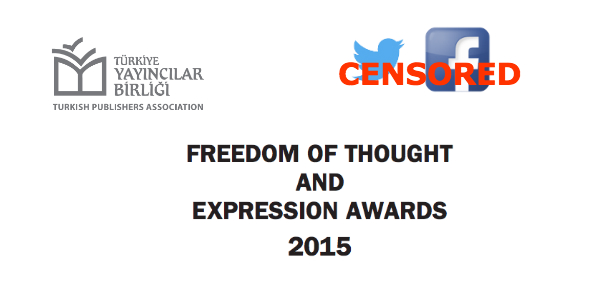
Report on freedom to publish in Turkey

“The country is going through a time in history whereby the concept of “criticism” has lost its substance. Any opinion opposing the views and positions of the politically powerful and not praising them are perceived as an “insult” or “defamation”. Any political dissent is subjected to intimidation. Triggered by this attitude, negative effects on political and social polarization has reached all segments of the society as well as the social life including publishing,” states a new report published this week by the Turkish Publishers Association (TYB). Although focusing mainly on freedom to publish for book writers and authors, the report also shows significant interest for…

Oettinger: “Lack of media freedom and pluralism affects negatively media and creative industries”

Attending the Deutsche Welle’s Global Media Forum 2015 in Bonn (22/06/2015), the European Commissioner Günther Oettinger referred in his speech to “media freedom and pluralism” as a “crucial value for the EU”. To give examples of concrete steps, the Commissioner mentioned different EU projects involving the active participation of the European Federation of Journalists (EFJ). “Whether a media outlet is so-called traditional or online, media practitioners will always have to be warranted the right to report facts and offer their views and opinions. Political pressure, economic hardship, physical attacks against journalists, restrictive legislation, and a general financial crisis in the sector all influence…

EFJ Focus June 2015

Editorial  “Medal” for Azerbaijan for being leading jailer of journalists Mogens Blicher Bjerregård, EFJ President As the host of the first European Games, Azerbaijan has certainly won the “medal”, even before the opening of the game, for its reputation as one of the leading jailers of journalists and its hostile treatments towards journalists and media. While local journalists are being put behind bars for their critical voices, many foreign journalists are barred from entering the country to report about the Games. The press freedom situation is at its worst on record when Azerbaijan ordered to shut down the office of…

Commissioner Muiznieks: “Media freedom in Bulgaria is threatened by a combination of practices”

“Despite existing legal guarantees, media freedom in Bulgaria is currently impeded or threatened by a combination of practices which, taken together, create an environment conducive to widespread self- censorship among journalists and undue external pressure on media,” said the Council of Europe’s Commissioner for Human Rights Nils Muiznieks in a special report published today (22/06/2015) about the situation of human rights and media freedom in Bulgaria. “This new report published by the Commissioner for Human Rights confirms the bad reputation of the Bulgarian media. The country is regularly named as the lowest ranking European Union member state for media freedom in several international…

EFJ sends letter to Montenegrin authorities about impunity and lack of respect for journalists

The EFJ in cooperation with its affiliate  the Trade Union of Media of Montenegro (TUMM), sent letters to the President, the Prime Minister and other high officials of Montenegro to express its concerns about the increased lack of respect for journalists’ and media workers’ right by the employers on decent salaries, fair remuneration for freelances, trade union rights and the rights to collective bargaining in Montenegro and the region. The EFJ draws particular attention to the case of journalist Tufik Softic who because of his investigative reporting, was brutally beaten eight years ago. Two years ago, a bomb was thrown…

Danish journalists urge new government to improve transparency

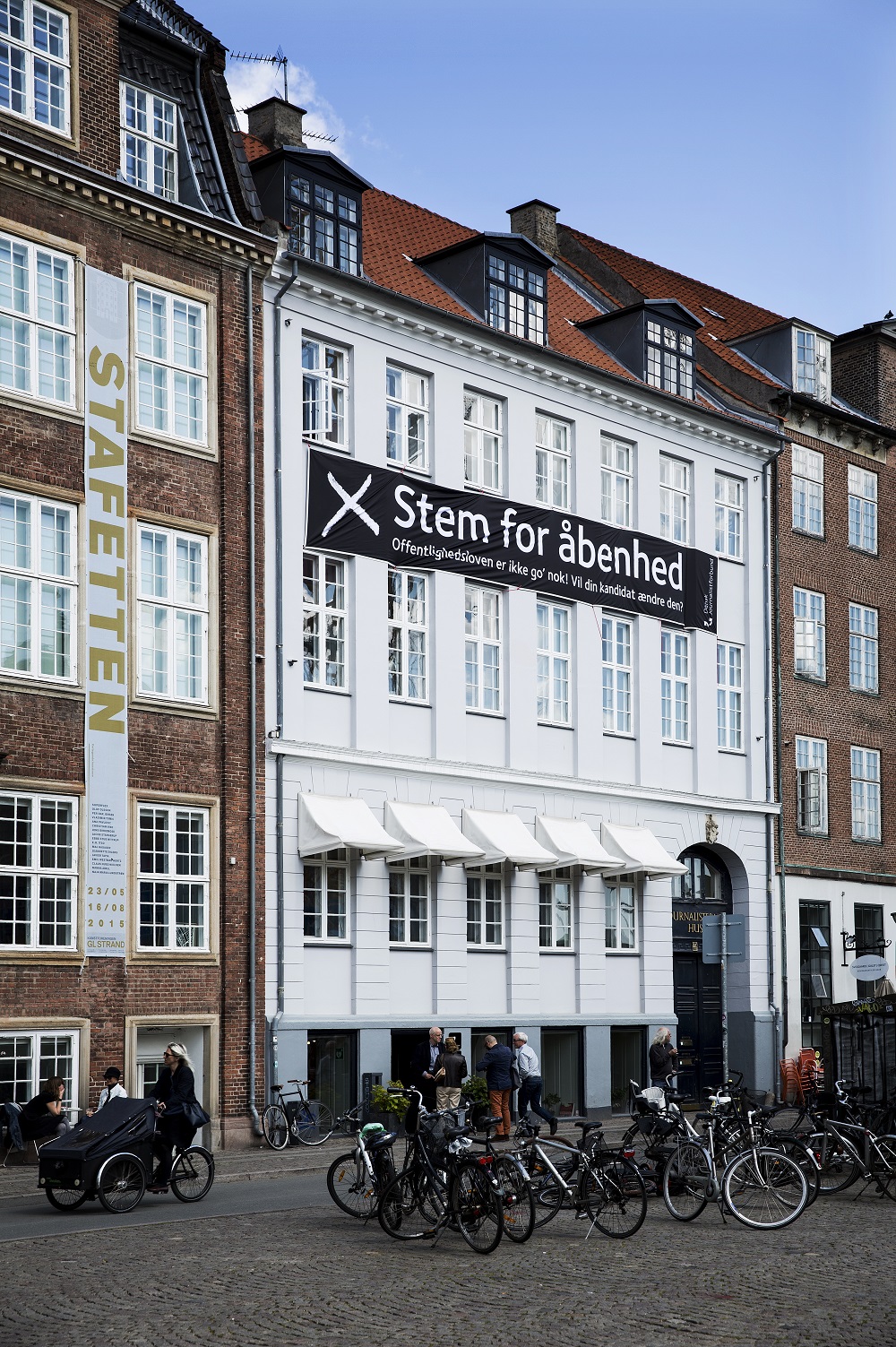
The Danish Journalists’ Union (DJ), a member of the European Federation of Journalists (EFJ) has launched a campaign calling on the newly elected government in Denmark to amend the Danish freedom of information law (called Open Administration Act in Denmark) to improve transparency and open access to government documents and information for citizens and journalists. The EFJ gave its strong back to DJ and demand the government to amend the freedom of information law to comply with European standards on freedom of information. The Danish Open Administration Act, also known as the “Closure Act”, was passed in 2013 with a…