European Federation of Journalists

Freelance

The importance of cooperation between freelancers across borders in Europe has increased over the years. Colleagues inspire each other; union workers share ideas and experiences.

Contracts and fees, training, authors’ rights, and professional standards are all key issues for the growing – and ever more precarious- freelance community of journalists. Innovative financing models, which can give freelance journalists new possibilities/niches in media, are being explored by the EFJ and its affiliates.

The European Federation of Journalists (EFJ) Authors’ Rights Expert Group (AREG) and the Freelance Experts’ Group (FREG) strive to defend and to promote freelance rights. We say to our staff colleagues: in order to defend your rights and conditions of work, you can do nothing more effective than to promote the highest standards for freelances.

The Freelance Experts’ Group’s focus for the coming years’ is based on the EFJ’s working programme:

  • collective bargaining for all, including freelancers;
  • ensure competition law does not undermine the right to collective bargaining;
  • organising and training for freelances including on safety.

Links to freelance sites of our unions

Members: Erik Back, Marta Barcenilla, Michele Catanzaro, Baptiste Cessieux, Victoria da Silva, Renate Gensch, Michael Hirschler, Laura Jõgar, Ajdin Kamber, Andrus Klikunou, Vânia Maia, Maria Markus, Oddrun Midtbø, Andrea Milat, Jelena L. Petković, Céline Pierre-Magnani, Claudio Silvestri, Heini Hietikko (reserve), Ana María Martinez (reserve), João Miguel Rodrigues (reserve).

Actions

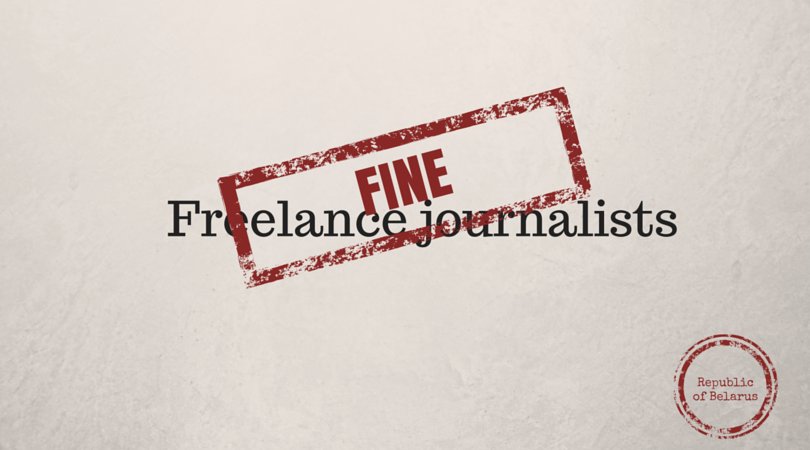
Belarus files 24 cases against freelance journalists in 2015

Working as freelance journalists can be considered as a crime in Belarus. Since the beginning of this year, the Belarusian authority has filed 24 cases (see infographic below) against freelance journalists imposing fines for their works. In all the cases, the journalists are accused of violating article 22.9 of the administrative code (unlawful production and distribution of mass media products). According to the Belarusian Association of Journalists (BAJ), an affiliate of the European Federation of Journalists (EFJ), the total sum of the fines imposed on journalists so far this year amounted to 117 million Belarusian rubles (over 6.000 EUR). The EFJ…

Freelance Survey in Portugal

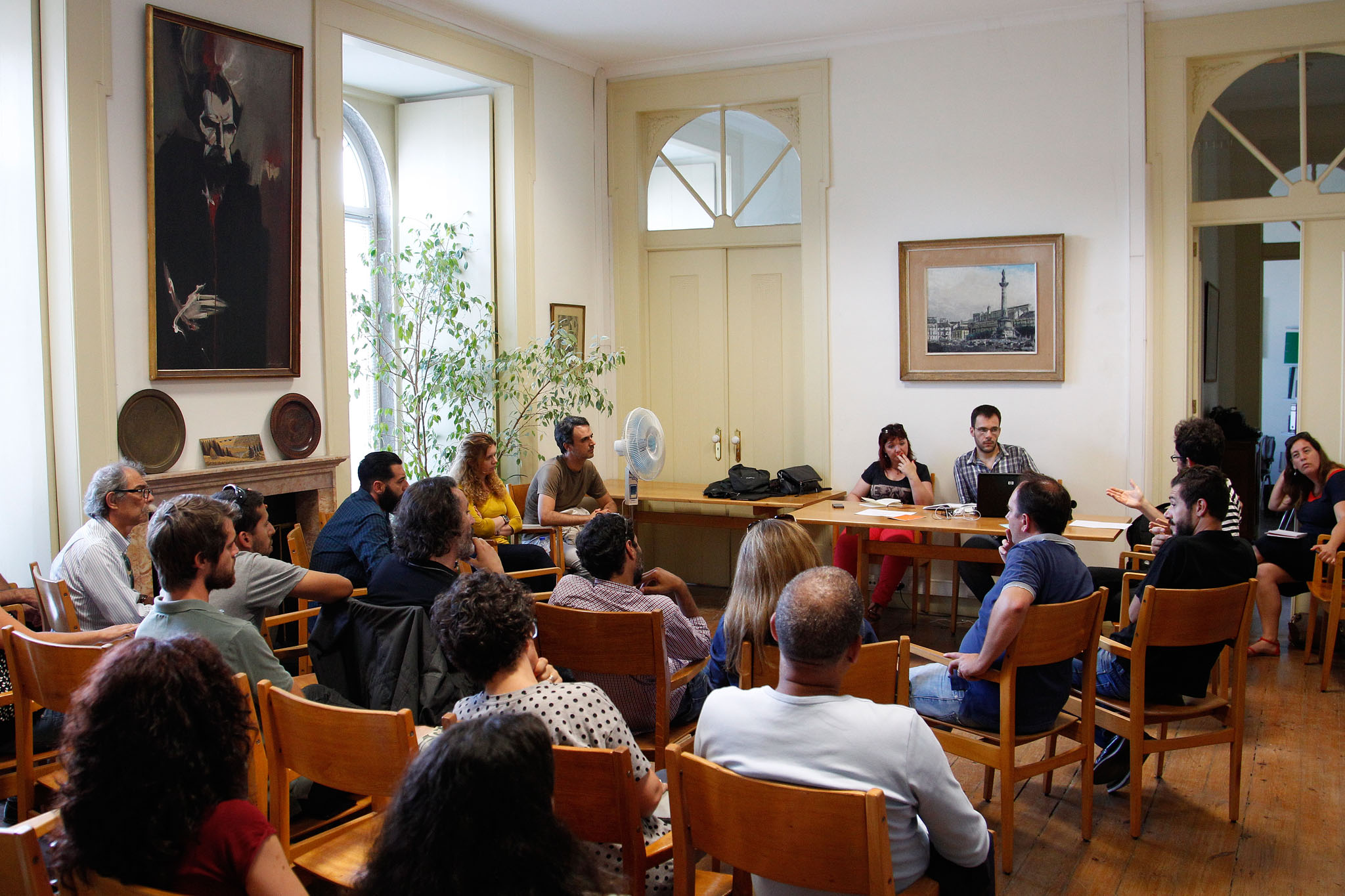
In Portugal the EFJ affiliate, the Sindicato dos Jornalistas‘s newly elected board initiated a freelance campaign starting with a survey about the situation of freelance journalists in Portugal, something which had not been conducted since 2001. In Portugal, trade unions still regard freelances as a new and sometimes unaccepted work form. The union had asked its members registered as freelancers (almost 10% of the total membership) to answer an online questionnaire. The main results which were recently discussed within the membership (see picture above), are the following: Age: average age is 41; Gender: 61.3% are men; 38;7% are female Employment…

Recruiting freelance journalists: example from NUJ, Great Britain

As the media industry grows more freelances, so the National Union of Journalists (NUJ) in the UK and Ireland is trying to ascertain how to attract freelances into membership. The main question is: What services and benefits could the union offer to freelances that are not covered in our ’10 Reasons’ leaflet ? As everyone agrees, the priority for freelances in the current climate is to find work – work that pays! One of our members has suggested a Freelance Salon, an event with speakers who will discuss how to go beyond the traditional pitch to editors and navigate new…

Sweden: New agreement signed for all freelance members

The EFJ affiliate in Sweden, Svenska Journalistförbundet, has announced the signature of a new collective agreement with Almega Medieföretagen covering all freelance journalists and media workers. “This agreement is an important step forward to strengthen the position of freelance journalists in Sweden,” said Jonas Nordling, President of the Swedish union of journalists. EFJ President, Mogens Blicher Bjerregård, quickly congratulated the Swedish colleagues for what he qualified as an “impressive collective agreement for all freelancers”. Impressive agreement for all #freelance in @journalistforb Sweden https://t.co/W0oeVecdnR @EFJEUROPE #TradeUnion — Mogens B. Bjerregård (@mogensbb) July 1, 2015 It is important to note that the agreement covers all freelance…

Freelancers in Sweden protest against the double use zero pay policy at Sydsvenskan

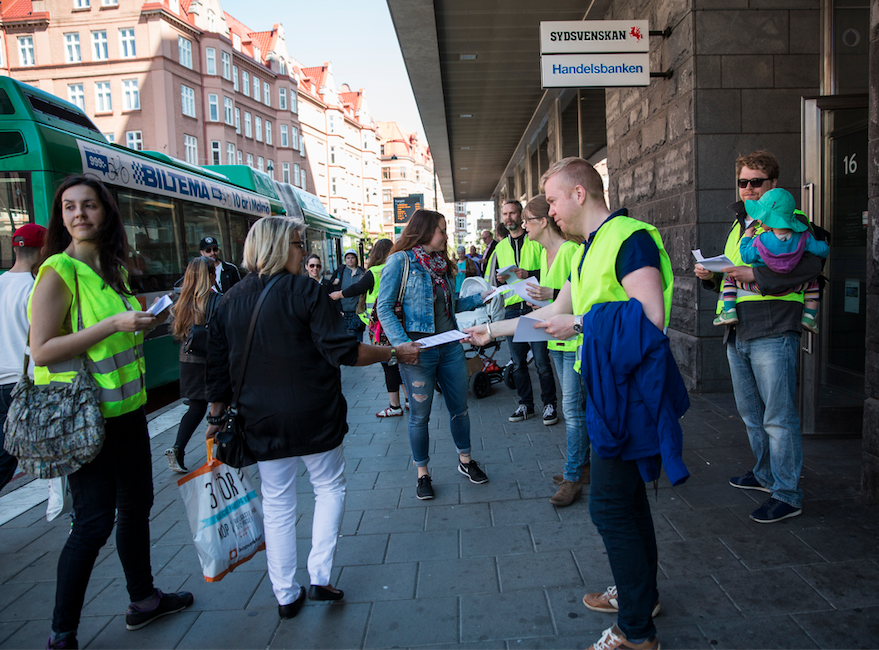
The Svenska Journalistförbundet, Swedish affiliate of the European Federation of Journalists (EFJ), organised on Wednesday (10/06/2015) in Malmö a protest against the double use zero pay policy affecting press photographers and freelance journalists working for the newspaper Sydsvenskan. The Swedish daily newspaper Sydsvenskan bought at the end of last year another newspaper Helsingborgs Dagblad and the management wants to re-publish all the material from freelancers (photographers and reporters) without any financial compensation for the authors. Since November 2014, the Swedish union has initiated the negotiations with the management of Sydsvenskan without any progress achieved so far. A concrete proposal was put on…

Belarus imposes more fines on freelance journalists

The European Federation of Journalists (EFJ) is extremely concerned by the increasing numbers of fines imposed on Belarusian freelance journalists for “illegal creation of mass media production” since April 2014. On June 1, the judge of the Dziarzhynsk district court Ina Shayko ruled against journalists Volha Chaychyts and Siarhei Krauchuk and demanded them to pay 310 EUR each (5 million 400 thousand rubles) for illegal production of mass media products. On June 3, the Lenin district court of Brest also fined journalist Alina Litvinchuk for double violations of Article 22.9 (illegal production and distribution of mass media products); the fine…