European Federation of Journalists

openMedia, investigating press freedom

Title of the project : openMedia, investigating press freedom
Lead Applicant
: openDemocracy

Partner organisations : EFJ, Index on censorship, King’s College London

The recently launched openMedia project aims to investigate and expose commercial interference in editorial decisions. The project is run by openDemocracy with the European Federation of Journalists (EFJ) as a partner alongside the Index on Censorship and King’s College London.

The project believes that there has not been enough of a concerted, ongoing spotlight on the extent and effects of commercial influence over the media, despite the dangerous consequences it poses for press freedom. For now, the project focuses on 47 countries across Europe but also has ambitions to expand.

Despite the recent launch, the project is adamant that it is not a response to the “fake news” hype of the past year or so. Rather, the project responds to scandals of commercial sponsors influencing media content; for example the Daily Telegraph’s suppression of investigations into its advertiser HSBC; and allegations that Buzzfeed deleted articles which advertisers found unfavourable.

According to the project, this power dynamic can suppress investigations of banks, pharmaceuticals, agriculture, fossil fuel giants, energy companies and other big businesses.

In addition, the project recognizes how for many readers, “sponsored content” is difficult to distinguish from genuine news content. The project therefore aims to clarify the commercial interests apparent in media to readers, and as part of the project, King’s College London will develop digital tools to help readers be better informed about news sources.

The findings of the project will be used to campaign for greater transparency and press freedom in news organisations and to empower journalists to advocate for transparency.

In order to do this, openMedia is currently conducting a confidential and anonymous survey of journalists across Europe, asking about their own working practices and experiences of commercial pressure inside newsrooms. The survey is available in English here and in many other languages here.

Actions
The statue outside the headquarters of Slovenian public broadcaster Radiotelevizija Slovenija (RTV SLO) in the capital Ljubljana

Slovenia: Media freedom groups back legislative efforts to depoliticise public media

The European Federation of Journalists (EFJ), together with other international media freedom and journalists’ organisations, today outlined their tentative support for reform of the law on Radiotelevizija Slovenija (RTV SLO) and the urgent need to depoliticise the public service media and their oversight bodies amidst continued threats to their independence. The undersigned organisations welcome the initiative of the new coalition government to reduce the influence of politics on the broadcaster’s operations and foster an enabling climate for its public service mission. Events of the last few years at RTV SLO have provided a clear illustration of why such changes are…

Věra Jourová talking at the European Anti-SLAPP Conference On 20 October 2022

What is a SLAPP? – Factsheet

SLAPP: Strategic Lawsuit Against Public Participation. SLAPPs are a form of legal harassment used to intimidate and silence those speaking out in the public interest. They are often used as a tool to suppress information that the plaintiffs don’t want to be brought to light. The plaintiffs are attempting to keep information secret – information that the public has a right to know. Download the PDF:

“E-evidence” open letter: What’s left of fundamental rights safeguards?

Blog Post by EDRi (European Digital Rights Association) Shortly before the end of their mandate, the French Presidency of the Council nearly reached a political compromise with the European Parliament on the so-called “e-evidence” proposal. This draft compromise lays down general guidelines to establish a future legal framework enabling national law enforcement to request personal data from private companies located in other Member States of the European Union (EU). However, a few points remain to be agreed upon before the final text can be adopted by the co-legislators. Unfortunately, the direction of the negotiations does not favour the protection of…

Albania: media pluralism and transparency concerns fuel deterioration in media freedom

In Albania, capture of media by vested business and political interests suffocates journalism. Following a two-day fact-finding mission to Tirana on 17-18 November 2022, the partners of the Council of Europe’s Platform on Safety of Journalists today publish their findings on press freedom, media pluralism and the safety of journalists in Albania. During the visit the organisations met with the journalists association, editors and journalists, government officials, members of parliament, the prime minister, judicial authorities, police, the privacy and information agency, the media regulator, the press council, NGOs and the public broadcaster. Our assessment is that overall Albania continues to…

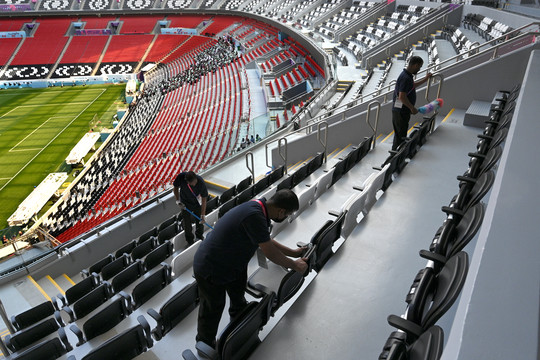
Qatar: IFJ publishes safety advice for World Cup coverage

A Danish TV2 team was prevented from filming in a public space in Doha, Qatar’s capital, on 15 November. Security officials tried to cover the camera and interrupted the live broadcast, in what constitutes one of the first infringements on media freedom against international journalists accredited to report on the World Cup. On the occasion of the start of the football World Cup, the International Federation of Journalists (IFJ) published a 7-point safety advisory to support journalists’ and media workers’ reporting on the ground.   1. Restrictions on topics and places: While Qatari authorities claim reports on strict conditions placed on media…

Bulgaria: ‘Foreign agent’ bill threatens media freedom

The European Federation of Journalists (EFJ) joins the undersigned international media freedom and journalists organisations in raising the alarm over a draft law submitted to Bulgarian parliament by the far-right Vazrazhdane (Revival) party which would introduce a Russian-style “foreign agent” law involving potential sanctions for media outlets that receive funding from abroad. The draft legislation has been developed by the pro-Russian Vazrazhdane party, which became the fourth largest faction in parliament in the recent elections and is currently in negotiations to form a coalition government. While the passing of the law in the current political climate remains doubtful, it nonetheless…