European Federation of Journalists

openMedia, investigating press freedom

Title of the project : openMedia, investigating press freedom
Lead Applicant
: openDemocracy

Partner organisations : EFJ, Index on censorship, King’s College London

The recently launched openMedia project aims to investigate and expose commercial interference in editorial decisions. The project is run by openDemocracy with the European Federation of Journalists (EFJ) as a partner alongside the Index on Censorship and King’s College London.

The project believes that there has not been enough of a concerted, ongoing spotlight on the extent and effects of commercial influence over the media, despite the dangerous consequences it poses for press freedom. For now, the project focuses on 47 countries across Europe but also has ambitions to expand.

Despite the recent launch, the project is adamant that it is not a response to the “fake news” hype of the past year or so. Rather, the project responds to scandals of commercial sponsors influencing media content; for example the Daily Telegraph’s suppression of investigations into its advertiser HSBC; and allegations that Buzzfeed deleted articles which advertisers found unfavourable.

According to the project, this power dynamic can suppress investigations of banks, pharmaceuticals, agriculture, fossil fuel giants, energy companies and other big businesses.

In addition, the project recognizes how for many readers, “sponsored content” is difficult to distinguish from genuine news content. The project therefore aims to clarify the commercial interests apparent in media to readers, and as part of the project, King’s College London will develop digital tools to help readers be better informed about news sources.

The findings of the project will be used to campaign for greater transparency and press freedom in news organisations and to empower journalists to advocate for transparency.

In order to do this, openMedia is currently conducting a confidential and anonymous survey of journalists across Europe, asking about their own working practices and experiences of commercial pressure inside newsrooms. The survey is available in English here and in many other languages here.

Actions

Russia must stop the persecution of journalist Svetlana Prokopyeva

The European Federation of Journalists (EFJ) today reiterated its call for Russian authorities to drop the terrorism charges brought against Russian journalist Svetlana Prokopyeva. Her trial is scheduled to begin in Pskov this Monday, April 20, behind closed doors. Svetlana Prokopyeva, a Pskov-based stringer for the Radio Free Europe/Radio Liberty’s Russian service and the Echo of Moscow news radio station, is being investigated for comments critical of Russian authorities in relation to a suicide bombing in 2018. While hosting a show on the Pskov affiliate of Echo of Moscow on 7 November 2018, she discussed a suicide bombing attack in…

EFJ joined call to safeguard the rule of law and media pluralism in the European Union

The European Federation of Journalists (EFJ), together with 23 journalists-, press freedom- and civil society organisations, has circulated joint recommendations to the European Commission and the European Parliament Civil Liberty’s (LIBE) Working Group on the Rule of Law, and other interested stakeholders. We believe the new European Rule of Law Mechanism needs strengthening in order to prevent breaches in the EU Member States. In July 2019, the European Commission announced the launch of the European Rule of Law Mechanism: a new policy process aiming to promote rule of law culture and prevent breaches in the European Union (EU), under the…

In Croatia, journalists’ unions raise the alarm about the COVID-19 impact on journalism

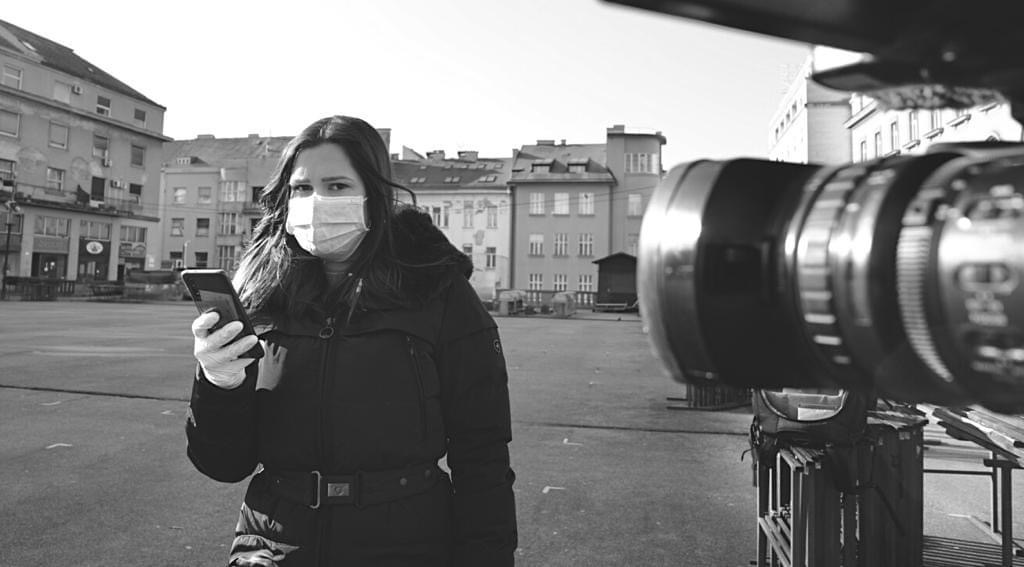
The Trade Union of Croatian Journalists (TUCJ) and the Croatian Journalists Association (CJA) urged in a letter the government “to save journalism” by taking financial compensation measures for the media sector. If nothing is done, mass layoffs will occur and media will shutdown, they warned. The European Federation of Journalists (EFJ) joined its affiliates in urgently requesting a media recovery plan. The government didn’t include the media sector in its financial relief packages intended to help the economic activity affected by the pandemic and the earthquake. “Job losses and pay cuts have already begun. They could eventually lead to a…

EU urged again to protect rule of law during COVID-19 states of emergency

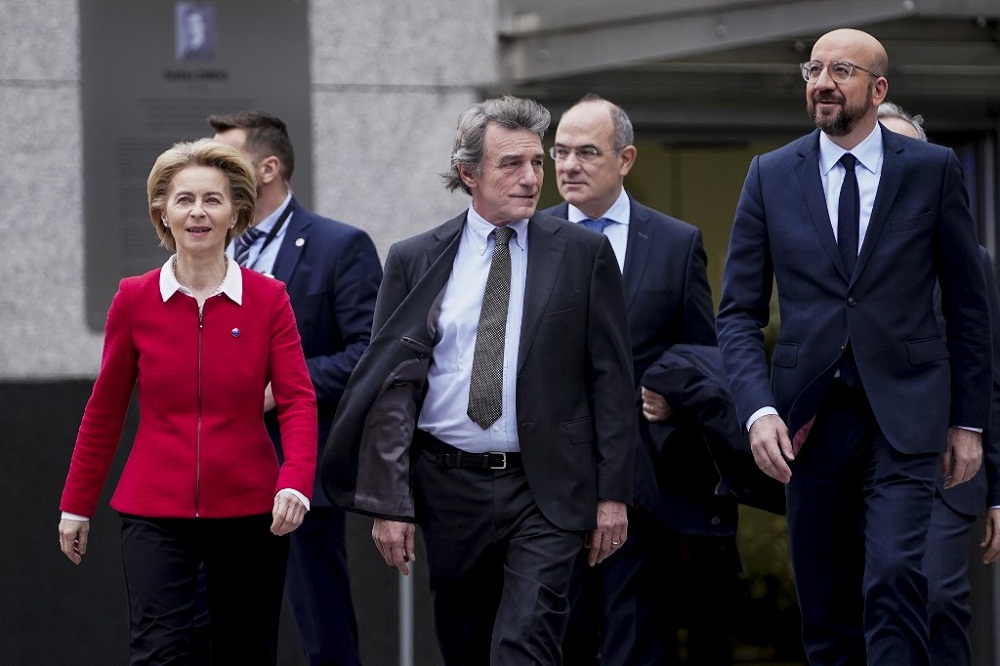
The European Federation of Journalists (EFJ) today joined 80 MEPs and civil society organisations, including Transparency International and Access Info Europe, in calling on the European Union to address restrictions on the rule of law and human rights, including freedom of expression and information, being introduced via coronavirus pandemic emergency measures. In an open letter sent to European Commission President Ursula von der Leyen and EU Council President Charles Michel, the signatories warn of the misuse of the coronavirus crisis to silence dissent, limit freedom of expression, marginalise civil society, and erode democratic values. The letter also calls on the EU to…

Discover the first Stars4Media selected participants

Applications open until 20 May 2020! More than ever before media companies need new skills and innovation. The Stars4Media programme is offering financial and constructive support to inspire change in the media sector. The first selection awarded six innovative proposals to be implemented in the upcoming months. The media professionals who have been pre-selected presented their initiatives during the Stars4Media Lab, the Stars4Media training and presentation virtual event, from 30 March to 1 April. After pitching their initiatives and one-on-one coaching sessions with the jury, five proposals received a green light and are ready to start implementing their projects. Amongst…

Good practices for press conferences during COVID-19 pandemic

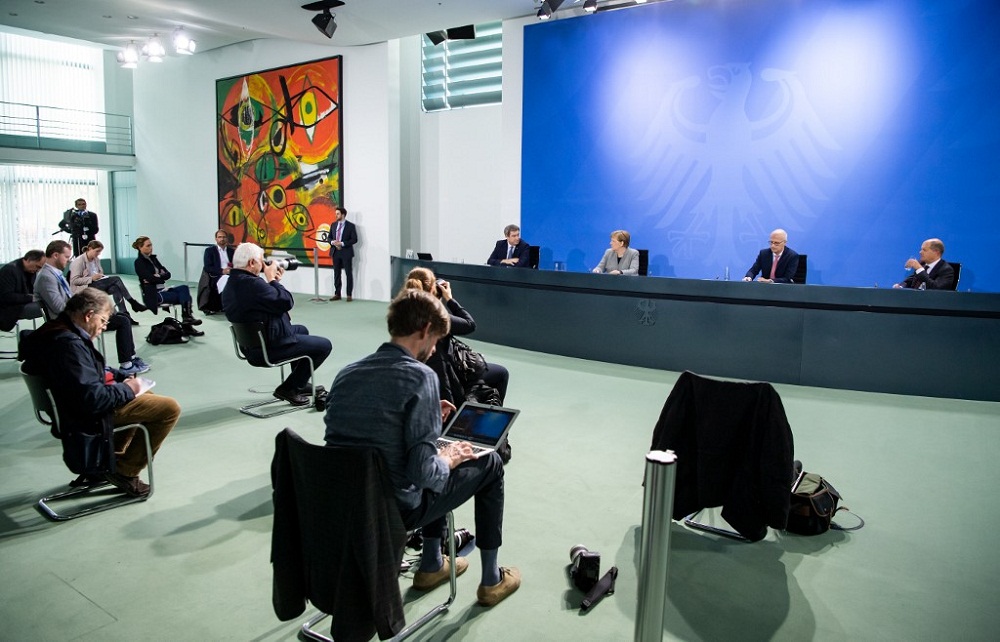
The European Federation of Journalists (EFJ) welcomes some good practices regarding the holding of press conferences during the COVID-19 pandemic. However, many countries are still restricting this democratic exercice under the pretext of ensuring the safety of journalists. The EFJ urges countries where journalists are not allowed to ask questions live to adapt in such a critical moment, for example with the use of video conferencing system. While journalists should not expose themselves in crowded conference rooms, the EFJ reminds that it is equally important not to restrict press freedom and journalists’ ability to ask questions. Even during total lockdown,…