European Federation of Journalists

openMedia, investigating press freedom

Title of the project : openMedia, investigating press freedom
Lead Applicant
: openDemocracy

Partner organisations : EFJ, Index on censorship, King’s College London

The recently launched openMedia project aims to investigate and expose commercial interference in editorial decisions. The project is run by openDemocracy with the European Federation of Journalists (EFJ) as a partner alongside the Index on Censorship and King’s College London.

The project believes that there has not been enough of a concerted, ongoing spotlight on the extent and effects of commercial influence over the media, despite the dangerous consequences it poses for press freedom. For now, the project focuses on 47 countries across Europe but also has ambitions to expand.

Despite the recent launch, the project is adamant that it is not a response to the “fake news” hype of the past year or so. Rather, the project responds to scandals of commercial sponsors influencing media content; for example the Daily Telegraph’s suppression of investigations into its advertiser HSBC; and allegations that Buzzfeed deleted articles which advertisers found unfavourable.

According to the project, this power dynamic can suppress investigations of banks, pharmaceuticals, agriculture, fossil fuel giants, energy companies and other big businesses.

In addition, the project recognizes how for many readers, “sponsored content” is difficult to distinguish from genuine news content. The project therefore aims to clarify the commercial interests apparent in media to readers, and as part of the project, King’s College London will develop digital tools to help readers be better informed about news sources.

The findings of the project will be used to campaign for greater transparency and press freedom in news organisations and to empower journalists to advocate for transparency.

In order to do this, openMedia is currently conducting a confidential and anonymous survey of journalists across Europe, asking about their own working practices and experiences of commercial pressure inside newsrooms. The survey is available in English here and in many other languages here.

Actions

Ukraine: Journalist attacked by unknown assailant

Ukrainian journalist Oleksandr Vlashchenko was assaulted on 30 November, in the port city of Mykolayiv. So far, the perpetrators have not been caught despite a police investigation. The International and the European Federation of Journalists (IFJ/EFJ) backed their affiliate – the National Union of Journalists in Ukraine (NUJU) – in calling for a full investigation into the case and for action to bring the attackers to justice. Oleksandr Vlashchenko, who works for the web site Novosti N, was on his way home when an unknown assailant sprayed liquid in his eyes and then hit him several times in the face and on the…

International organisations condemn further degradation of press freedom in Malta

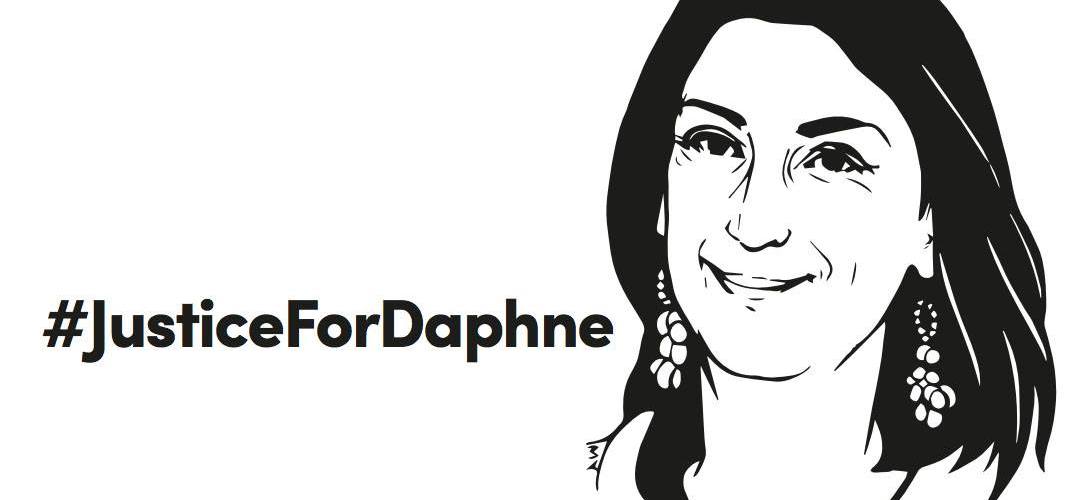
The European Federation of Journalists (EFJ), together with seven other international organisations including ARTICLE 19, European Centre for Press and Media Freedom (ECPMF), Index on Censorship, International Federation of Journalists (IFJ), International Press Institute, Reporters Without Borders (RSF) and the Scottish PEN condemns the further degradation of press freedom in Malta and the continued intimidation of journalists. The statement We, the undersigned organisations, condemn the actions taken by Maltese authorities to restrict press coverage and public scrutiny of the ongoing investigation into the assassination of Maltese journalist Daphne Caruana Galizia. We call on Maltese authorities to uphold their international obligations to…

New possibilities for media freedom: joint call to Austria’s new government

Austria’s media freedom is under threat. Over the last two years, the policies of the previous government showed that the current media system can be influenced politically. In its first year under the government of Sebastian Kurz, Austria fell five places on the international press freedom ranking of Reporters Without Borders, to 16th place. According to a survey, nearly half of Austria’s journalists feel that media freedom is in a precarious state. Harassment and threats against journalists, both online and offline, also reached a new level under Kurz’s government. In addition, restrictions on journalistic access to information related to the…

UNESCO-EFJ project ‘Building Trust in Media in South East Europe and Turkey’ to start phase 2

The European Federation of Journalists (EFJ) will start in 2020 the phase 2 of the EU-funded project “Building Trust in Media in South East Europe and Turkey” in partnership with the UNESCO. Together with its members in Albania, Bosnia and Herzegovina, North Macedonia, Montenegro, Serbia, Turkey and Kosovo, the EFJ will organise three annual regional workshops to further develop national social dialogues and ensure the implementation of labour rights in the field of media in the region. Strong cooperation with the EFJ Labour Rights Expert Group (LAREG) will be continued to develop exchanges between journalists’ organisations from Eastern and Western…

Launch of the Pilot project ‘Media Councils in the Digital Age’

When journalists are playing a public watchdog role, who is making sure that journalists and media organisations adhere to their standards and ethics? With the digital transformation in the media and the widespread of disinformation, media self-regulatory framework plays an ever-important role in upholding standards in journalism while preventing state intervention through media regulations to stifle media freedom. The European Federation of Journalists (EFJ) together with a consortium of six European press councils and two universities journalists have launched a project “Media Councils in the Digital Age” with the aims to support the European models of media self-regulation through a network…

Ukraine: Journalists and publishers jointly call for protection of print media

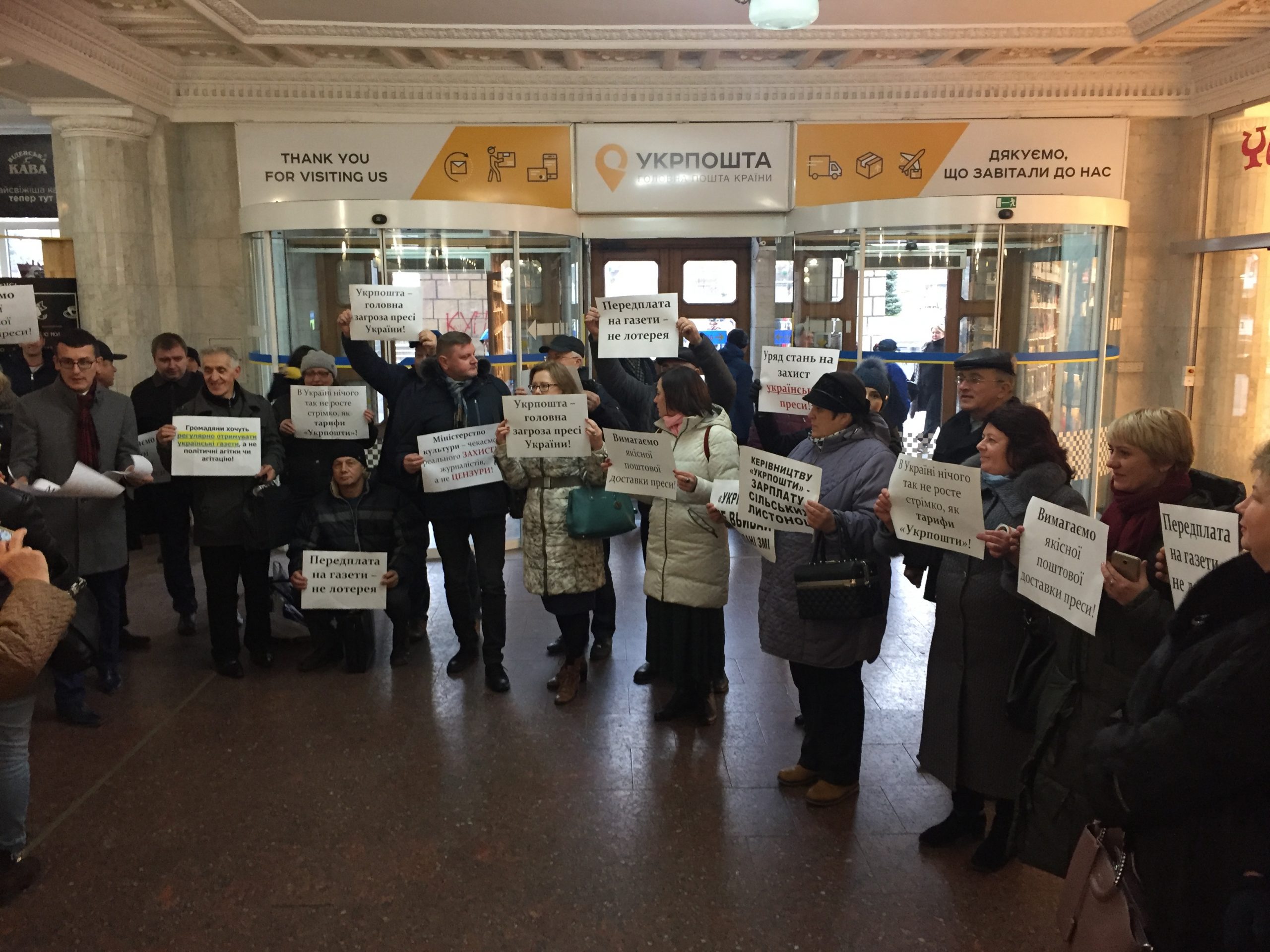
Ukrainian journalists and publishers jointly called on the Ukrainian government to swiftly address the shrinking newspapers’ circulation at the Forum of All-Ukrainian Editors and Publishers of Print Media, which took place in Kyiv on 21 November. Organised at the initiative of the EFJ affiliate the National Union of Journalists of Ukraine, the forum aimed to find solutions to tackle the print media critical situation, while two of the main Ukrainian newspapers, Segodnya and Dzerkalo Tyzhnia, recently gave up their print version to go exclusively online. The participants denounced the systematic increase of tariffs by the Ukrainian national postal operator combined…