European Federation of Journalists

openMedia, investigating press freedom

Title of the project : openMedia, investigating press freedom
Lead Applicant
: openDemocracy

Partner organisations : EFJ, Index on censorship, King’s College London

The recently launched openMedia project aims to investigate and expose commercial interference in editorial decisions. The project is run by openDemocracy with the European Federation of Journalists (EFJ) as a partner alongside the Index on Censorship and King’s College London.

The project believes that there has not been enough of a concerted, ongoing spotlight on the extent and effects of commercial influence over the media, despite the dangerous consequences it poses for press freedom. For now, the project focuses on 47 countries across Europe but also has ambitions to expand.

Despite the recent launch, the project is adamant that it is not a response to the “fake news” hype of the past year or so. Rather, the project responds to scandals of commercial sponsors influencing media content; for example the Daily Telegraph’s suppression of investigations into its advertiser HSBC; and allegations that Buzzfeed deleted articles which advertisers found unfavourable.

According to the project, this power dynamic can suppress investigations of banks, pharmaceuticals, agriculture, fossil fuel giants, energy companies and other big businesses.

In addition, the project recognizes how for many readers, “sponsored content” is difficult to distinguish from genuine news content. The project therefore aims to clarify the commercial interests apparent in media to readers, and as part of the project, King’s College London will develop digital tools to help readers be better informed about news sources.

The findings of the project will be used to campaign for greater transparency and press freedom in news organisations and to empower journalists to advocate for transparency.

In order to do this, openMedia is currently conducting a confidential and anonymous survey of journalists across Europe, asking about their own working practices and experiences of commercial pressure inside newsrooms. The survey is available in English here and in many other languages here.

Actions

European trade union leaders stand up for solidarity with migrants

On International Migrants Day, trade union leaders across Europe, representing 45 million members from 90 trade union organisations in 38 European countries, will reiterate their support for solidarity with migrants by backing the first European Citizens’ Initiative (ECI) on migration. Trade union leaders showed their commitment by signing the ‘We Are a Welcoming Europe’ initiative at a high-level meeting of the European Trade Union Confederation (ETUC). “We are totally opposed to criminalising those who offer humanitarian assistance to migrants” said Luca Visentini, ETUC Secretary General. “The authorities should applaud and support those who help refugees fleeing life-threatening conflict. The Citizens Initiative rightly defends…

IFJ and EFJ condemn terrorist attack against Skai TV and Khatimerini newspaper

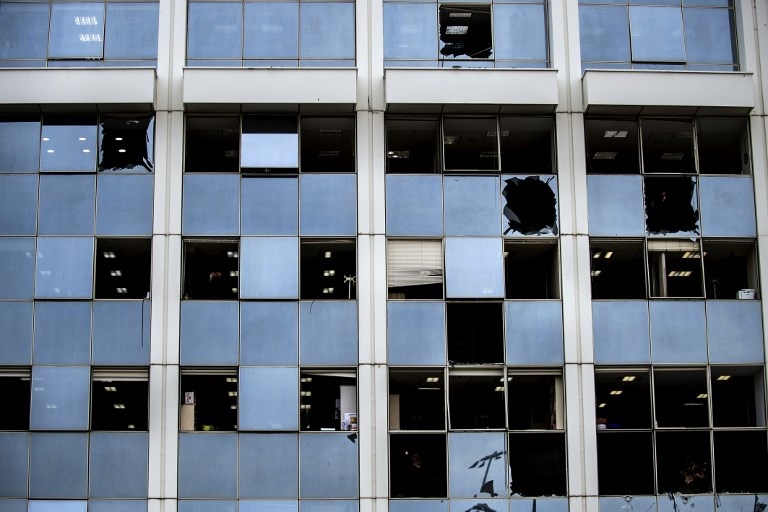
A bomb blast today damaged a building in Athens housing the headquarters of Greece’s private radio and television network Skai and Greek daily newspaper Khatimerini, but there were no casualties. Anti-terrorist police opened an investigation into the attack that focused on Greek extremist groups. The International and European Federations of Journalists (IFJ-EFJ) join their Greek affiliates in condemning the blast as “an attack on media pluralism”. The homemade device went off at around 2:37 am, 45 minutes after an anonymous telephone warning to another TV network. Police cordoned off the neighbourhood in the Athens suburb of Neo Phaliro and evacuated the building, which contains…

Newsocracy: Transparency in media ownership in focus

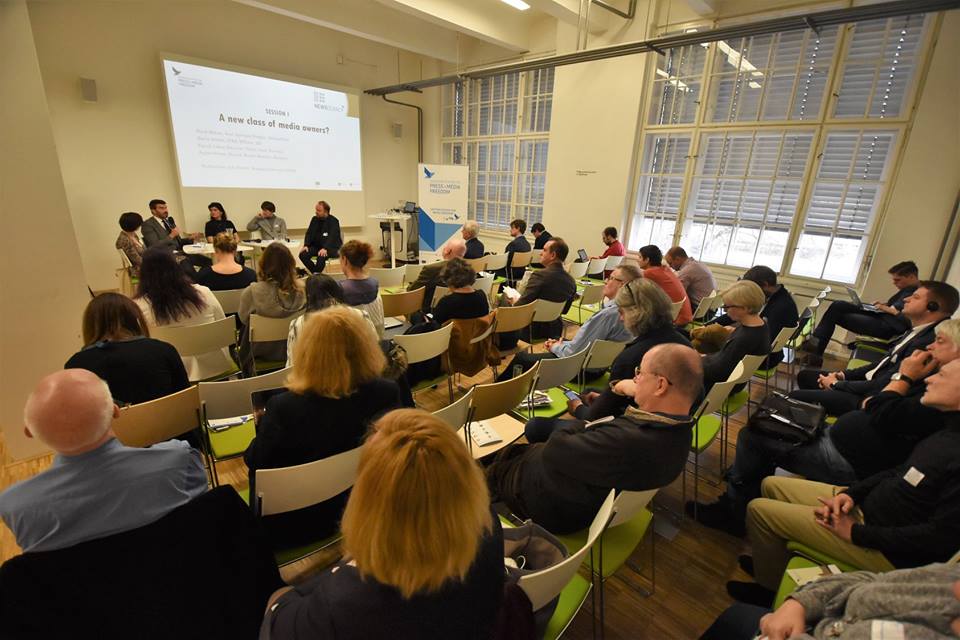
The damaging effects of media ownership concentration in Europe was the topic of the Newsocracy conference held in Prague, Czech Republic, on 14 December, organised by the European Centre of Press and Media Freedom (ECPMF). The conference highlighted the importance to develop both transparency and pluralism in media ownership to guarantee media as a public good. “The conference turned out to be a wake up call. Experts showed how the lack of transparency in ownership influences media policy in many European countries – in the EU in general, in Central and Eastern Europe in particular”, said European Federation of Journalists’ (EFJ)…

Serbia: journalist Milan Jovanović attacked with Molotov cocktail

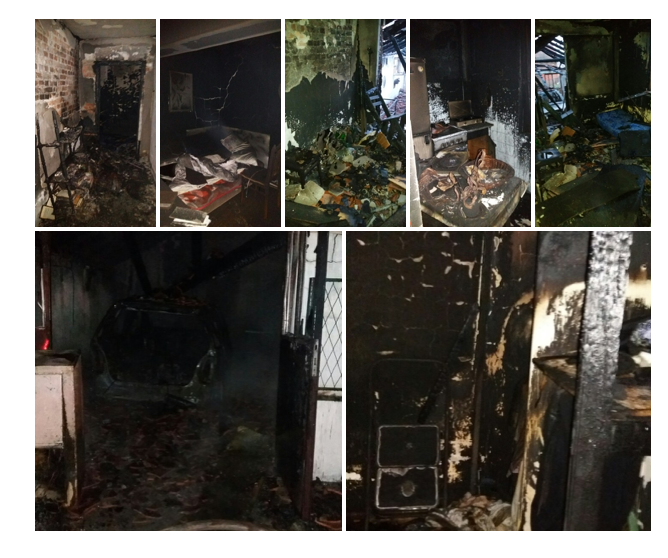
The European Federation of Journalists (EFJ) expressed its solidarity with the colleague Milan Jovanović and the newsroom of Zig Info and urge the Serbian authorities to fully investigative the attacks and threats against the investigative journalist under attack. The EFJ joined it’s affiliates (UNS, NUNS and SINOS) in condemning the attack and in demanding an urgent investigation. The EFJ has reported the following facts to the Council of Europe’s platform for the protection and safety of journalists : On December 12, 2018, the house of Milan Jovanović, an investigative journalist for the independent news website Žig Info, was set ablaze at 3:30…

EFJ welcomes Council of Europe’s recognition of bargaining rights of self-employed

The European Federation of Journalists (EFJ) and it’s Freelance Experts Group (FREG) today joined the European Trade Union Confederation (ETUC) to welcome yesterday’s (13.12.2018) decision by the Committee of Ministers of the Council of Europe that put an end to restrictions on collective bargaining for self-employed persons. The Ministers’ Committee’s decision endorses an earlier ruling by the European Committee of Social Rights (ECSR) following pressure by the Irish Trade Union Confederation (ICTU) and its affiliates, SIPTU, Equity, the Musicians Union of Ireland and EFJ’s affiliate, the National Union of Journalists (NUJ), and supported by the ETUC. The decision of the ECSR,…

ECPMF legal aid for journalists facing legal actions

The European Centre for Press and Media Freedom (ECPMF) recognises that physical threats to the life, safety, wellbeing and security of journalists and media organisations remain a serious concern in many European countries. The recent actions of some governments in passing laws that restrict the right to freedom of expression and freedom of the media suggest that there is a need for advocacy against such laws or to improve existing legislation. Individual journalists, bloggers, activists, free speech advocates, non-governmental organisations, and media outlets – especially those operating in countries with more restrictive governments – can find it difficult to find…