European Federation of Journalists

openMedia, investigating press freedom

Title of the project : openMedia, investigating press freedom
Lead Applicant
: openDemocracy

Partner organisations : EFJ, Index on censorship, King’s College London

The recently launched openMedia project aims to investigate and expose commercial interference in editorial decisions. The project is run by openDemocracy with the European Federation of Journalists (EFJ) as a partner alongside the Index on Censorship and King’s College London.

The project believes that there has not been enough of a concerted, ongoing spotlight on the extent and effects of commercial influence over the media, despite the dangerous consequences it poses for press freedom. For now, the project focuses on 47 countries across Europe but also has ambitions to expand.

Despite the recent launch, the project is adamant that it is not a response to the “fake news” hype of the past year or so. Rather, the project responds to scandals of commercial sponsors influencing media content; for example the Daily Telegraph’s suppression of investigations into its advertiser HSBC; and allegations that Buzzfeed deleted articles which advertisers found unfavourable.

According to the project, this power dynamic can suppress investigations of banks, pharmaceuticals, agriculture, fossil fuel giants, energy companies and other big businesses.

In addition, the project recognizes how for many readers, “sponsored content” is difficult to distinguish from genuine news content. The project therefore aims to clarify the commercial interests apparent in media to readers, and as part of the project, King’s College London will develop digital tools to help readers be better informed about news sources.

The findings of the project will be used to campaign for greater transparency and press freedom in news organisations and to empower journalists to advocate for transparency.

In order to do this, openMedia is currently conducting a confidential and anonymous survey of journalists across Europe, asking about their own working practices and experiences of commercial pressure inside newsrooms. The survey is available in English here and in many other languages here.
Actions

EFJ meets Estonian MEPs to discuss Baltic fact-finding mission

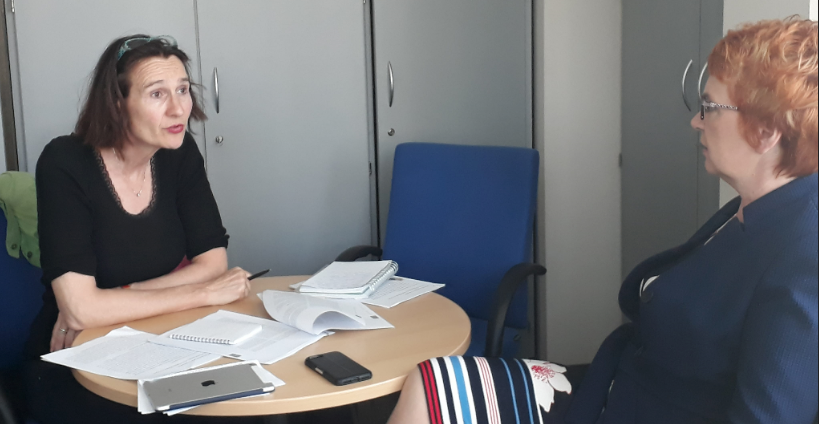
Following the EFJ-ECPMF fact-finding mission to Estonia and Lithuania, Renate Schroeder, director of the European Federation of Journalists (EFJ) met with the office of Kaja Kallas (ALDE), Yana Toom (ALDE) and the office of Indrek Tarand on 15 May 2018, all Estonian Members of the European Parliament (MEP) to discuss the findings of the report. According to the mission’s findings, the biggest problem is neither fake news nor Russian propaganda, but the economic pressure on media creating a culture of “clicktivism”. Although journalistic codes of conduct in Estonia are in place and the government refrains from regulating the media market, editorial independence and…

1700 journalists on strike at Norwegian public broadcaster NRK

Update 24.05.2018: After negotiations for a collective agreement with the Norwegian Public Broadcasting (NRK), the Norwegian Union of Journalists (NJ) managed to win on all main demands on 23 May 2018 in Oslo. The 1700 journalist members of the Norwegian Union of Journalists (NJ) at the Norwegian Public Service Broadcasting NRK went on strike today, after negotiations and mediation did not lead to a new collective agreement. The European Federation of Journalists and the Broadcasting Expert group expressed their solidarity with the journalists on strike at NRK and NJ. According to the EFJ affiliate, NJ, the NRK wants to replace around…

Montenegrin investigative journalist Olivera Lakić shot and injured

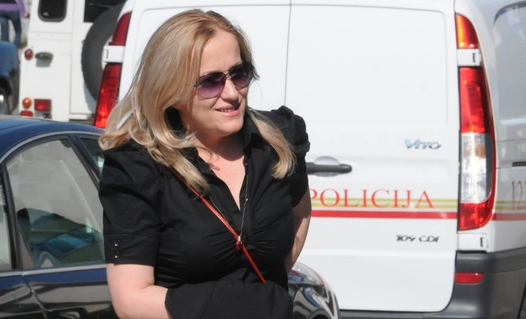
The European and the International Federation of journalists (EFJ/IFJ) joined its Montenegrin affiliate, the Trade Union of Journalists of Montenegro (SMCG) in condemning the attack on Vijesti journalist Olivera Lakić, who was shot in the leg outside her home on 8 May 2018, in Podgorica. She was taken to the hospital and remains in stable condition after a man shot her in the right leg, while two other men ran away, according to Vijesti’s editor-in-chief. Olivera Lakić is working as an investigative journalist for the daily newspaper Vijesti. She is known for investigating crime and corruption in Montenegro. According to media reports she…

Campaign to improve journalists working conditions in the Western Balkans and Turkey

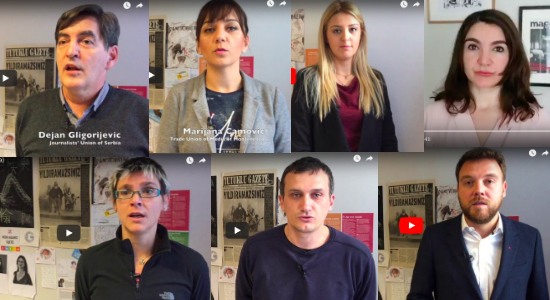
The European Federation of Journalists (EFJ) is today (08/05/2018) launching a video campaign to raise awareness about the poor working conditions of journalists and media workers in the Western Balkans and Turkey as documented by the European Commission’s Enlargement package 2018 published in April 2018. Together with the support of its affiliates in the region, the EFJ is putting the focus on Albania, Bosnia and Herzegovina, Kosovo, Macedonia, Montenegro, Serbia and Turkey, where working as a journalist too often means job insecurity, low wages and attacks. This campaign aims to push for better working conditions in order to support the production…

Workshop: Robot Journalism – Should we be afraid?

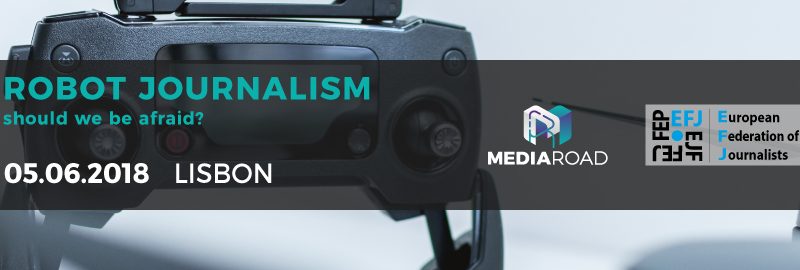
Registration extended until May 28 for the MediaRoad event Robot “journalism” is already the reality in many newsrooms churning out content faster than we can consume. News organisations are increasingly experimenting with robot journalism using computer programmes to analyse data and produce news stories because robots are more productive. But how much do we know about these robots behind the news? Are they friends or foes of journalists? Should journalists be afraid or take advantage of the technology to improve their working conditions and quality of journalism? This workshop will focus on these questions and explore the pros and cons…

WPFD : Statement of solidarity with prosecuted Belarusian journalists

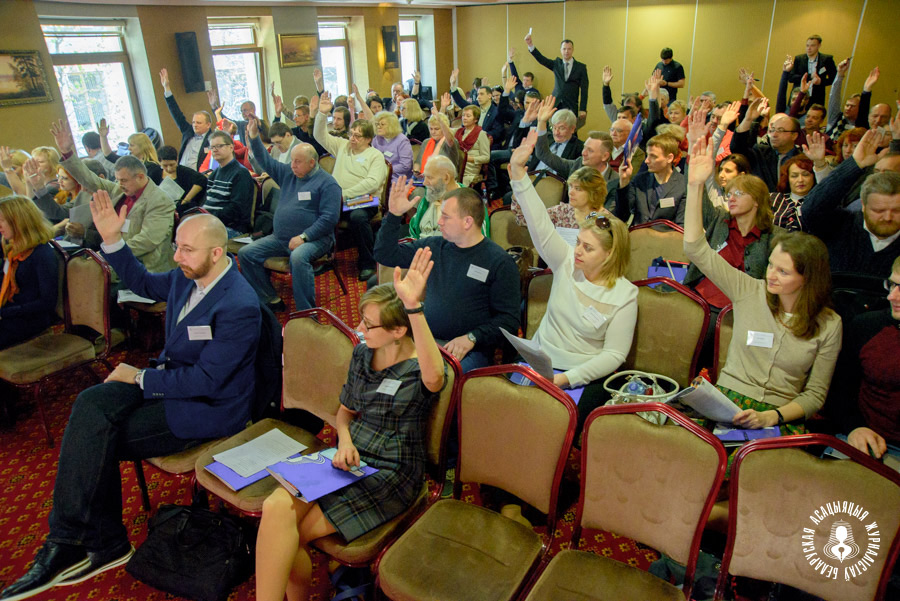
On the eve of the World Press Freedom Day 2018 (WPFD), the European Federation of Journalists expresses its solidarity with prosecuted journalists in Belarus. Unfortunately, the working conditions for journalists in Belarus cannot be regarded as free at all nowadays. Since 2015, the Belarusian official authorities have started a repression campaign against freelance journalists, who cooperate with foreign media. As a result of this campaign, the Belarusian journalists were fined 69 times for the alleged illegal production of mass media products in 2017. The Belarusian Association of Journalists (BAJ), which is a local member of EFJ, has always considered the…