European Federation of Journalists

openMedia, investigating press freedom

Title of the project : openMedia, investigating press freedom
Lead Applicant
: openDemocracy

Partner organisations : EFJ, Index on censorship, King’s College London

The recently launched openMedia project aims to investigate and expose commercial interference in editorial decisions. The project is run by openDemocracy with the European Federation of Journalists (EFJ) as a partner alongside the Index on Censorship and King’s College London.

The project believes that there has not been enough of a concerted, ongoing spotlight on the extent and effects of commercial influence over the media, despite the dangerous consequences it poses for press freedom. For now, the project focuses on 47 countries across Europe but also has ambitions to expand.

Despite the recent launch, the project is adamant that it is not a response to the “fake news” hype of the past year or so. Rather, the project responds to scandals of commercial sponsors influencing media content; for example the Daily Telegraph’s suppression of investigations into its advertiser HSBC; and allegations that Buzzfeed deleted articles which advertisers found unfavourable.

According to the project, this power dynamic can suppress investigations of banks, pharmaceuticals, agriculture, fossil fuel giants, energy companies and other big businesses.

In addition, the project recognizes how for many readers, “sponsored content” is difficult to distinguish from genuine news content. The project therefore aims to clarify the commercial interests apparent in media to readers, and as part of the project, King’s College London will develop digital tools to help readers be better informed about news sources.

The findings of the project will be used to campaign for greater transparency and press freedom in news organisations and to empower journalists to advocate for transparency.

In order to do this, openMedia is currently conducting a confidential and anonymous survey of journalists across Europe, asking about their own working practices and experiences of commercial pressure inside newsrooms. The survey is available in English here and in many other languages here.
Actions

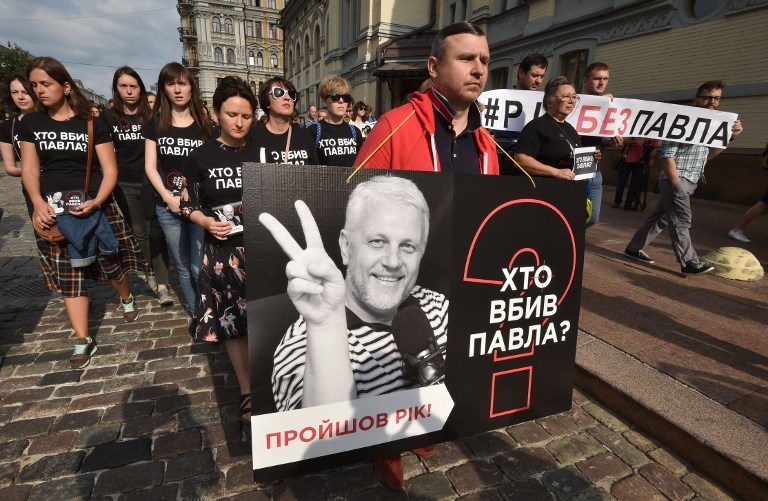
Groups urge Ukraine to ensure thorough investigation in killing of journalist Pavel Sheremet

On the first anniversary of the murder of journalist Pavel Sheremet, the European Federation of Journalists and the International Federation of Journalists joined Index on Censorship, Article 19, Association of European Journalists, Committee to Protect Journalists, International Press Institute, International News Safety Institute and Reporters Sans Frontières in urging the Ukrainian president to ensure an effective investigation of the crime. Read our letter to president Petro Poroshhenko: His Excellency Petro Poroshenko President of Ukraine 11 Bankova Street Kiev 01220 Ukraine CC: Yuriy Stets, Minister of Information Policy Dear President Poroshenko, We are writing as active partners of the Council of…

Turkey: Cumhuriyet journalists face trial on 24 July

The trial involving 17 journalists and executives of Turkish newspaper Cumhuriyet will start on Monday 24 July at 9:00am in Istanbul’s Çağlayan Justice Palace. The trial is expected to continue until Thursday 28 July. The International and European Federation of Journalists (IFJ and EFJ) join their affiliates TGS and DISK Basin-Is  in condemning the trial which is based on unfounded accusations that the paper is secretly supporting the PKK – a militant Kurdish organisation and FETO, the group allegedly responsible for last year’s failed coup. EFJ president Mogens Blicher Bjerregård will be present at the trial on behalf of both…

Russia: journalist’s house attacked

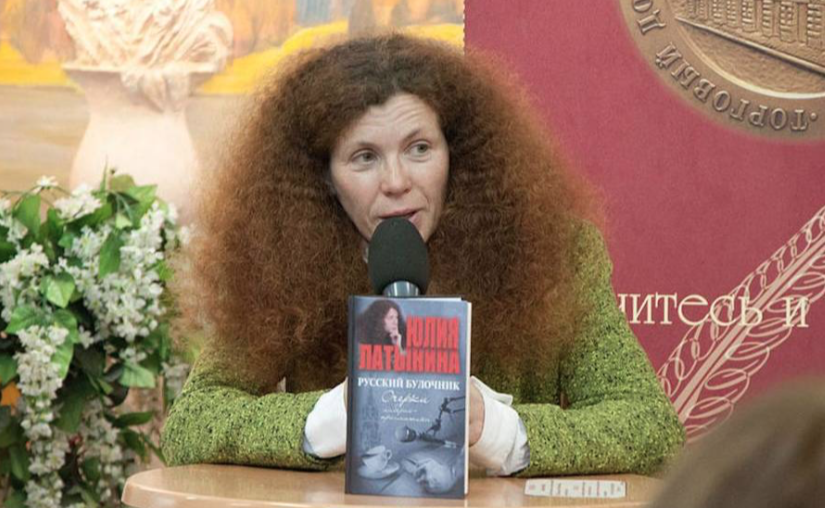
Russian journalist Yulia Latynina’s home in Moscow was attacked and sprayed with an unknown substance on Tuesday 18 July. The International and the European Federations of journalists (IFJ/EFJ) join their affiliates the Russian Union of Journalists (RUJ) in condemning the attack. On the evening of 18 July, a group of unidentified attackers covered the home of opposition journalist Yulia Latynia with a corrosive and odorous chemical compound that caused breathing problems for the occupants. The journalist reported to Ekho Moskvy radio station that 8 people including 4 elderly persons and 2 children were affected. Yulia Latynina, a prominent journalist and fierce critic…

Ukraine: IFJ and EFJ demand answers on Pavel Sheremet killing anniversary

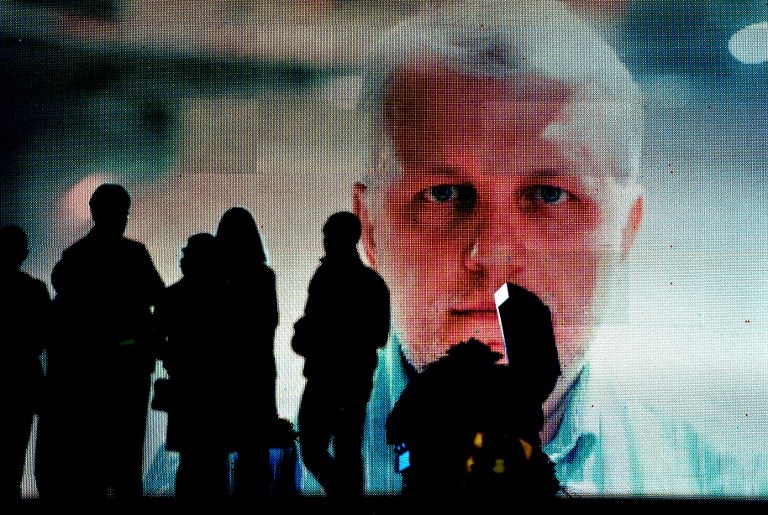
The International and European Federation of Journalists (IFJ and EFJ) have backed demands for the Ukrainian authorities to publish the results of their investigation into the killing of award-winning journalist Pavel Sheremet – a year after his murder in a car bomb on 20th July 2016. On the anniversary of the killing the IFJ/EFJ joined their affiliates the National Union of Journalists of Ukraine (NUJU) and Independent Media Trade Union of Ukraine (IMTUU) in condemning the grossly inadequate investigation by Ukrainian authorities. The EFJ/IFJ also call on Ukrainian President Petro Poroshenko to fulfill his promise of incorporating an independent international…

Azerbaijan offers journalists free apartments

On 17 July 2017, the European and International Federations of Journalists submitted the following alert to the Council of Europe’s platform for the safety and protection of journalists The State Fund for the “Support of Mass Media Development in Azerbaijan” will provide to journalists free government housing grants on 22 July 2017, National Press Day in Azerbaijan. A first “Journalists’ House” built in the Bibiheybat settlement of Baku by state budget funds was commissioned in 2013. A total of 156 journalists were allotted apartments there. The second “Journalists’ House” will host 255 journalists. The apartments will be distributed on 22…

Polish journalist receives death threats after public Polish TV classifies her remarks as “harmful to Poland”

Dorota Bawolek, a Polish journalist working in Brussels for Polish private TV channel Polsat TV, was targeted by hundreds of hateful messages on social media after the Polish public TV station TVP reproached her of having asked the European Commission an “upsetting” question on Thursday 13 July 2017. That Thursday, during the daily press conference of the European Commission in Brussels, Dorota Bawolek asked for explanations on the state of democracy in Poland. On that same day, the Polish Parliament had adopted a draft law that would weaken the independence and impartiality of the judiciary and of the Supreme Court…