European Federation of Journalists

openMedia, investigating press freedom

Title of the project : openMedia, investigating press freedom
Lead Applicant
: openDemocracy

Partner organisations : EFJ, Index on censorship, King’s College London

The recently launched openMedia project aims to investigate and expose commercial interference in editorial decisions. The project is run by openDemocracy with the European Federation of Journalists (EFJ) as a partner alongside the Index on Censorship and King’s College London.

The project believes that there has not been enough of a concerted, ongoing spotlight on the extent and effects of commercial influence over the media, despite the dangerous consequences it poses for press freedom. For now, the project focuses on 47 countries across Europe but also has ambitions to expand.

Despite the recent launch, the project is adamant that it is not a response to the “fake news” hype of the past year or so. Rather, the project responds to scandals of commercial sponsors influencing media content; for example the Daily Telegraph’s suppression of investigations into its advertiser HSBC; and allegations that Buzzfeed deleted articles which advertisers found unfavourable.

According to the project, this power dynamic can suppress investigations of banks, pharmaceuticals, agriculture, fossil fuel giants, energy companies and other big businesses.

In addition, the project recognizes how for many readers, “sponsored content” is difficult to distinguish from genuine news content. The project therefore aims to clarify the commercial interests apparent in media to readers, and as part of the project, King’s College London will develop digital tools to help readers be better informed about news sources.

The findings of the project will be used to campaign for greater transparency and press freedom in news organisations and to empower journalists to advocate for transparency.

In order to do this, openMedia is currently conducting a confidential and anonymous survey of journalists across Europe, asking about their own working practices and experiences of commercial pressure inside newsrooms. The survey is available in English here and in many other languages here.

Actions

Justice for Anna Politkovskaya

On 7 October 2006 Russian journalist Anna Politkovskaya, a reporter for the Novaya Gazeta, newspaper and a prominent critic of Russian President Vladimir Putin, was shot dead at her apartment building in central Moscow. The European and International Federations of Journalists (EFJ-IFJ) join their affiliate the Russian Union of Journalists (RUJ) in commemorating the death of the veteran journalist and calling on the Russian government to renew its efforts to identify those who ordered the journalists’ murder.  The journalist and human rights activist’s body was found by a neighbour in the elevator, where she had been shot 4 times. The murder of…

Refugees: how to change the negative narrative?

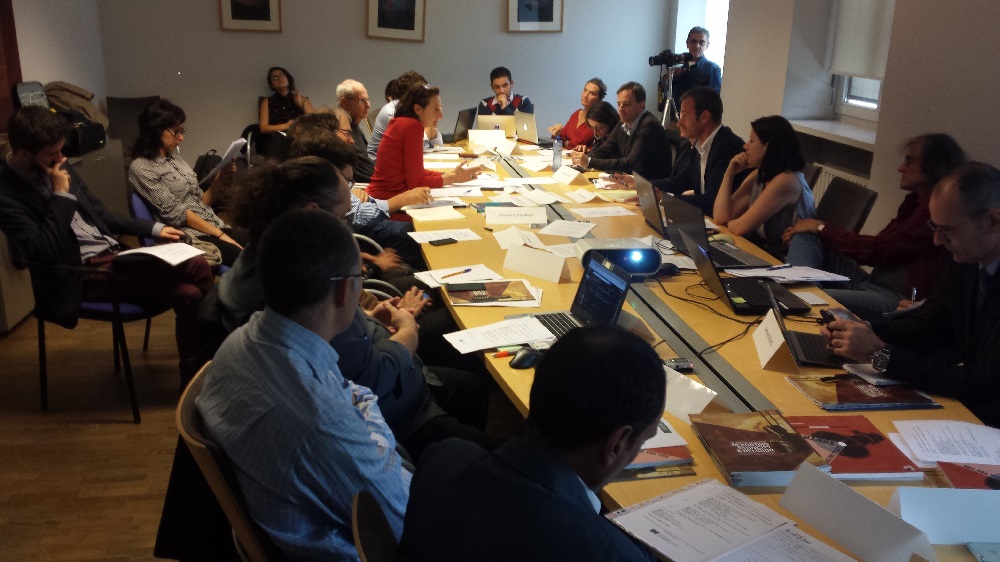
The European Federation of Journalists (EFJ) and the Alliance Internationale de Journalistes (AIJ) successfully organised yesterday (4 October) a roundtable discussion on Refugees and Migrants, the inconvenient truths – Journalism against bias and stereotypes in Brussels. Migrants and refugees have suddenly jumped at the top of the agenda and media organisations play a crucial role in shaping the public opinion. How to cover the refugee crisis with more humanity? How best to communicate with media?  Many journalists, NGOs representatives and intergouvernmental organisations (UNCHR, OIM) dealing with migration issues attended the event to reflect and build a constructive dialogue on these fondamental questions. The biggest requests @UNmigration…

Turkey: Med Nûce, IMC TV, Hayatin Sesi,… must be re-established urgently

The European and Federation of Journalists (EFJ) has received today (05/10/2016) a delegation of journalists working for Med Nûçe television. The signal of the Kurdish channel based in Belgium has been removed on Monday (03/10/2016 at 10:00) by Eutelsat SA, a French sattelite provider, on Turkish request because “the content is not in line with public order directives of the term’s between us as well as with the laws which regulate TV distribution in Europe and surrounding countries”. The EFJ strongly condemned the action considered as a media freedom violation and reported the case to the Council of Europe’s platform…

EFJ-IFJ condemn the killing of Dutch journalist in Libya

The European and International Federations of Journalists (EFJ-IFJ) today backed their affiliate, the Nederlandse Vereniging Van Journalisten (NVJ), in condemning the killing of a Dutch photojournalist while covering clashes in the Libyan city of Sirte. On 2 October, Dutch journalist Jeroen Oerlemans (45) was killed by sniper fire as government forces battled Islamic State group holdouts in the coastal city of Sirte, a jihadist stronghold 450 kilometers east of the capital Tripoli, media reported. Forces allied with Libya’s UN-backed Government of National Accord are trying to take the city back from jihadists in an offensive that started in May and which…

Ukrainian journalist arrested in Moscow

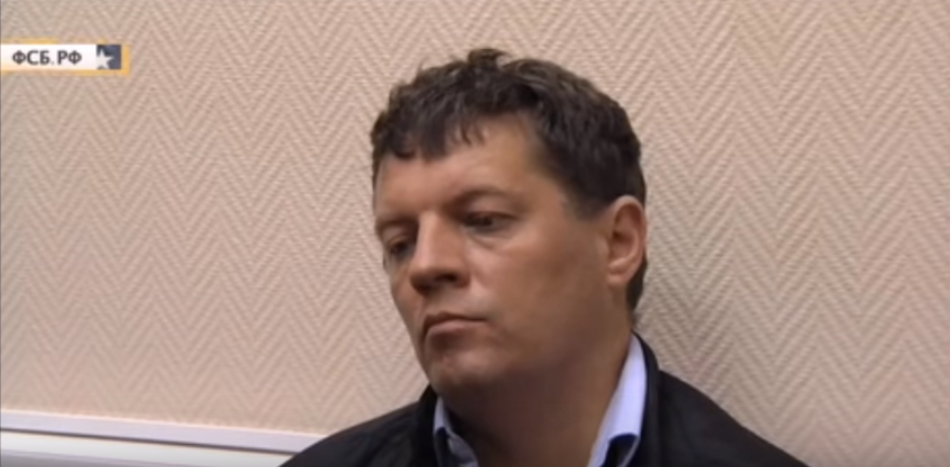
The European and International Federations of Journalists (FEJ/FIJ) have backed calls for Ukrainian reporter Roman Sushchenko to be freed following his arrest on 30 September in Moscow on charges of spying. News of his arrest last Friday only emerged after his family expressed concerns that he had not been in touch for two days and after he was spotted in Lefortovo Prison in Moscow by a human rights monitoring group. Neither the embassy nor his family had been informed. According to reports from NGO Open Russia, 47-year-old Roman Sushchenko, who has worked for Ukrainian news agency Ukrinform since 2002, told…

Confronting the crisis of transparency and censorship facing journalism in Serbia

A mission to Serbia by the Ethical Journalism Network and the European Federation of Journalists this month has called for urgent action to strengthen journalism and independent media across the country. Aidan White, EJN Director, and EFJ Project Officer Mehmet Koksal talked with media leaders and journalism support groups during their visit on September 16-17. They found that problems of political bias, lack of transparency in ownership, manipulated state funding for favoured media, and a desperately weak economic situation all contribute to a deeply flawed media system. “The media crisis cannot be allowed to get worse,” said White. “It poisons…