European Federation of Journalists

openMedia, investigating press freedom

Title of the project : openMedia, investigating press freedom
Lead Applicant
: openDemocracy

Partner organisations : EFJ, Index on censorship, King’s College London

The recently launched openMedia project aims to investigate and expose commercial interference in editorial decisions. The project is run by openDemocracy with the European Federation of Journalists (EFJ) as a partner alongside the Index on Censorship and King’s College London.

The project believes that there has not been enough of a concerted, ongoing spotlight on the extent and effects of commercial influence over the media, despite the dangerous consequences it poses for press freedom. For now, the project focuses on 47 countries across Europe but also has ambitions to expand.

Despite the recent launch, the project is adamant that it is not a response to the “fake news” hype of the past year or so. Rather, the project responds to scandals of commercial sponsors influencing media content; for example the Daily Telegraph’s suppression of investigations into its advertiser HSBC; and allegations that Buzzfeed deleted articles which advertisers found unfavourable.

According to the project, this power dynamic can suppress investigations of banks, pharmaceuticals, agriculture, fossil fuel giants, energy companies and other big businesses.

In addition, the project recognizes how for many readers, “sponsored content” is difficult to distinguish from genuine news content. The project therefore aims to clarify the commercial interests apparent in media to readers, and as part of the project, King’s College London will develop digital tools to help readers be better informed about news sources.

The findings of the project will be used to campaign for greater transparency and press freedom in news organisations and to empower journalists to advocate for transparency.

In order to do this, openMedia is currently conducting a confidential and anonymous survey of journalists across Europe, asking about their own working practices and experiences of commercial pressure inside newsrooms. The survey is available in English here and in many other languages here.
Actions

Legalislative framework for investigative journalism need improvements

The Institute of European Media Law (EMR), consortium partner of the European Centre for Press and Media Freedom (ECPMF), has recently conducted a study on the state of media freedom and investigative journalism in Europe. The results published on 17 May 2016 show that restrictive rules for the development of press freedom remain a major obstacle in all countries. 1. Decriminalisation of journalism = Hungarian model Journalists might infringe the law while trying to obtain information. According to the report, all legal frameworks know limits to the freedom of obtaining information. Even though in many states courts take into consideration the importance of press freedom…

Three-day conference to discuss the impacts of the digital revolution on work, 27-29 June, Brussels

A three-day conference will be held on 27-29 June 2016 in Brussels on the theme: “Shaping the new world of work – The impacts of digitalisation and robotisation”. Organised by the European Trade Union Confederation and the European Trade Union Institute, the conference will bring together over 400 representatives of trade unions, research bodies, academia, civil society, EU institutions and international organisations to discuss how the world and nature of work and employment is being changed radically by the digital revolution. Contrary to similar conferences, this event will not only focus on the quantity of work (‘will robots destroy our jobs?’) but also…

Three RBC editors resign under political pressure from Kremlin

Three top editors from the Russian RBC media group announced their departure on 13 May as the political pressure against the independent media outlet grows in Russia. The International and European Federations of journalists (IFJ/EFJ) back their affiliate the Russian Union of Journalists (RUJ) in expressing concerns over the growing intimidation against the media in Russia. In a statement published on 13 May RBC said that the resignations of editor-in-chief Yelizaveta Osetinskaya, chief editor of the RBC newspaper Maxim Solyus, and chief editor of the RBC news agency Roman Badanin were due to “differences regarding the media company’s future and…

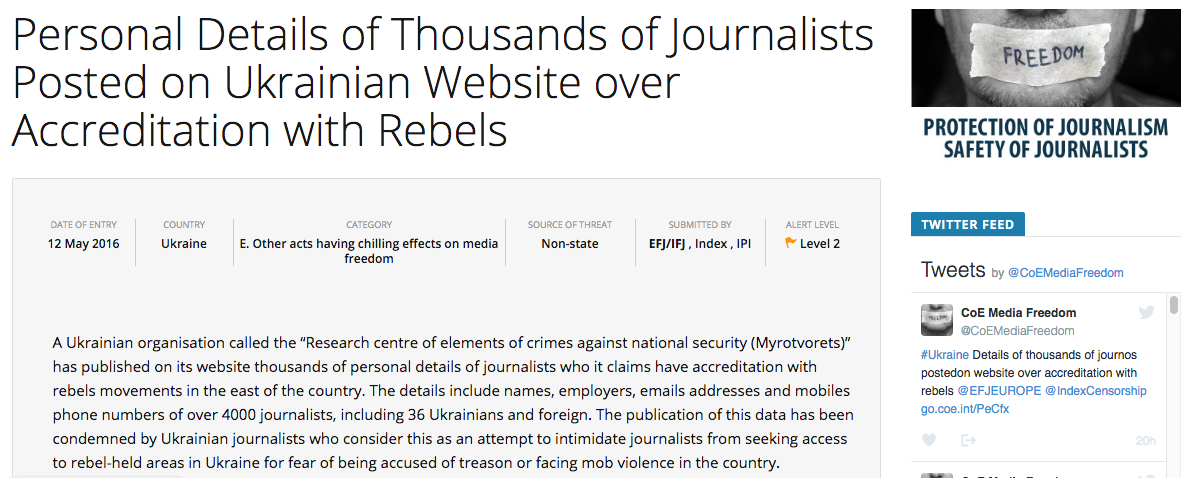
Ukraine: Journalists’ security threatened by publication of personal details

A Ukrainian organisation working on national security published thousands of personal details of journalists on its website on 7 May claiming the journalists had accreditation with pro-Russian separatists in the eastern Ukraine. It further accused them of ‘co-operating with terrorist organisations’ and violating Ukraine law. The European and International Federation of Journalists (EFJ/IFJ) support their Ukrainian affiliates the National Union of Journalists of Ukraine (NUJU) and the Independent Media Trade Union of Ukraine (IMTUU) in denouncing this leak which endangers journalists’ safety and urge the Ukrainian government to bring those responsible to justice. The private contact details published by Myrotvorets (“The Peacemaker”…

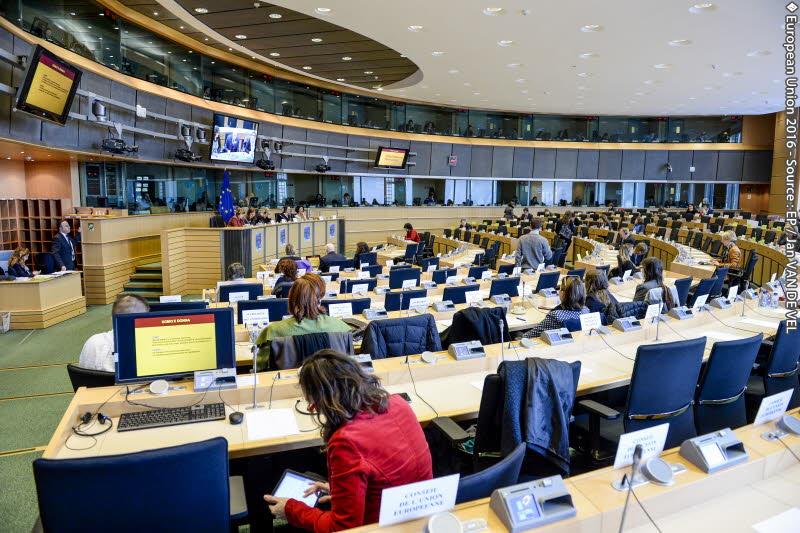
Parliament committees plan to address better work-life balance and gender equality

On May 24, the Committee on Employment and Social Affairs as well as the Committee on Women’s Rights and Gender Equality will discuss with the Commission a draft report on “Creating labour market conditions favourable for work-life balance”. The co-rapporteurs are Vilija Blinkevičiūtė (S&D) and Tatjana Ždanoka (Greens/EFA). This own initiative report is a reaction to the roadmap and public consultation published in 2015 titled “A new start to address the challenges of work-life balance faced by working families”. The objective is to increase the participation of women in the labour market by modernising and adapting the current EU policy framework to today’s labour…

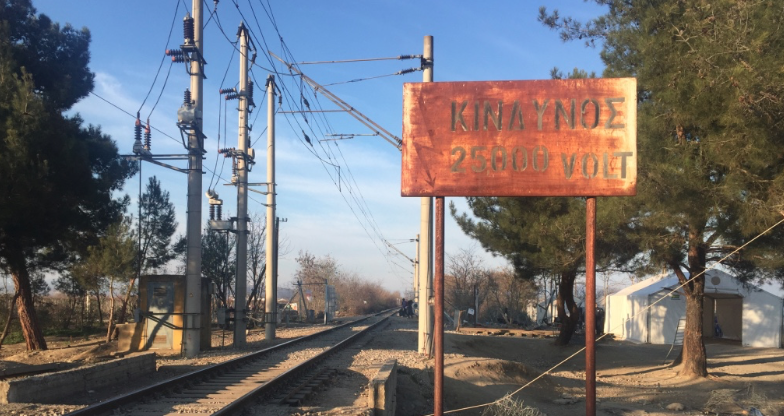
Greek journalists draft ethical code to fight racism on refugees coverage

The European Federation of Journalists (EFJ) is strongly supporting the initiative of its affiliate in Greece the Journalists’ Union of Macedonia and Thrace Daily Newspapers (ESIEMTH) – who drafted a proposal for the adoption of the Anti-racism Ethics Code of the Greek journalists called The Charter of Idomeni, in the name of the border control village where thousands of refugees are passing through to reach Northern European countries. The aim of the charter is to preserve the social role of journalists in the conditions created by the presence of refugees, migrants, minorities and socially vulnerable groups in Greece, discourage and denounce climates of intolerance, guarantee…