European Federation of Journalists

openMedia, investigating press freedom

Title of the project : openMedia, investigating press freedom
Lead Applicant
: openDemocracy

Partner organisations : EFJ, Index on censorship, King’s College London

The recently launched openMedia project aims to investigate and expose commercial interference in editorial decisions. The project is run by openDemocracy with the European Federation of Journalists (EFJ) as a partner alongside the Index on Censorship and King’s College London.

The project believes that there has not been enough of a concerted, ongoing spotlight on the extent and effects of commercial influence over the media, despite the dangerous consequences it poses for press freedom. For now, the project focuses on 47 countries across Europe but also has ambitions to expand.

Despite the recent launch, the project is adamant that it is not a response to the “fake news” hype of the past year or so. Rather, the project responds to scandals of commercial sponsors influencing media content; for example the Daily Telegraph’s suppression of investigations into its advertiser HSBC; and allegations that Buzzfeed deleted articles which advertisers found unfavourable.

According to the project, this power dynamic can suppress investigations of banks, pharmaceuticals, agriculture, fossil fuel giants, energy companies and other big businesses.

In addition, the project recognizes how for many readers, “sponsored content” is difficult to distinguish from genuine news content. The project therefore aims to clarify the commercial interests apparent in media to readers, and as part of the project, King’s College London will develop digital tools to help readers be better informed about news sources.

The findings of the project will be used to campaign for greater transparency and press freedom in news organisations and to empower journalists to advocate for transparency.

In order to do this, openMedia is currently conducting a confidential and anonymous survey of journalists across Europe, asking about their own working practices and experiences of commercial pressure inside newsrooms. The survey is available in English here and in many other languages here.

Actions

Register for #WPFD – Difference Day 2016 in Brussels

The European Federation of Journalists (EFJ) will join a group media partners and NGOs to launch the World Press Freedom Day events in Brussels on 3 May at the Centre for Fine Art. The day will start with a keynote from Commissioner Günther Oettinger from the European Commission emphasizing that Europe is a strong supporter for freedom of speech. Among a series of activities and debates, the EFJ will gather a panel of women journalists who will share their views on the recent evolution in Turkey in terms of freedom of the press and their role as journalists. A second debate will focus on a…

European Parliament: Media Pluralism and diversity

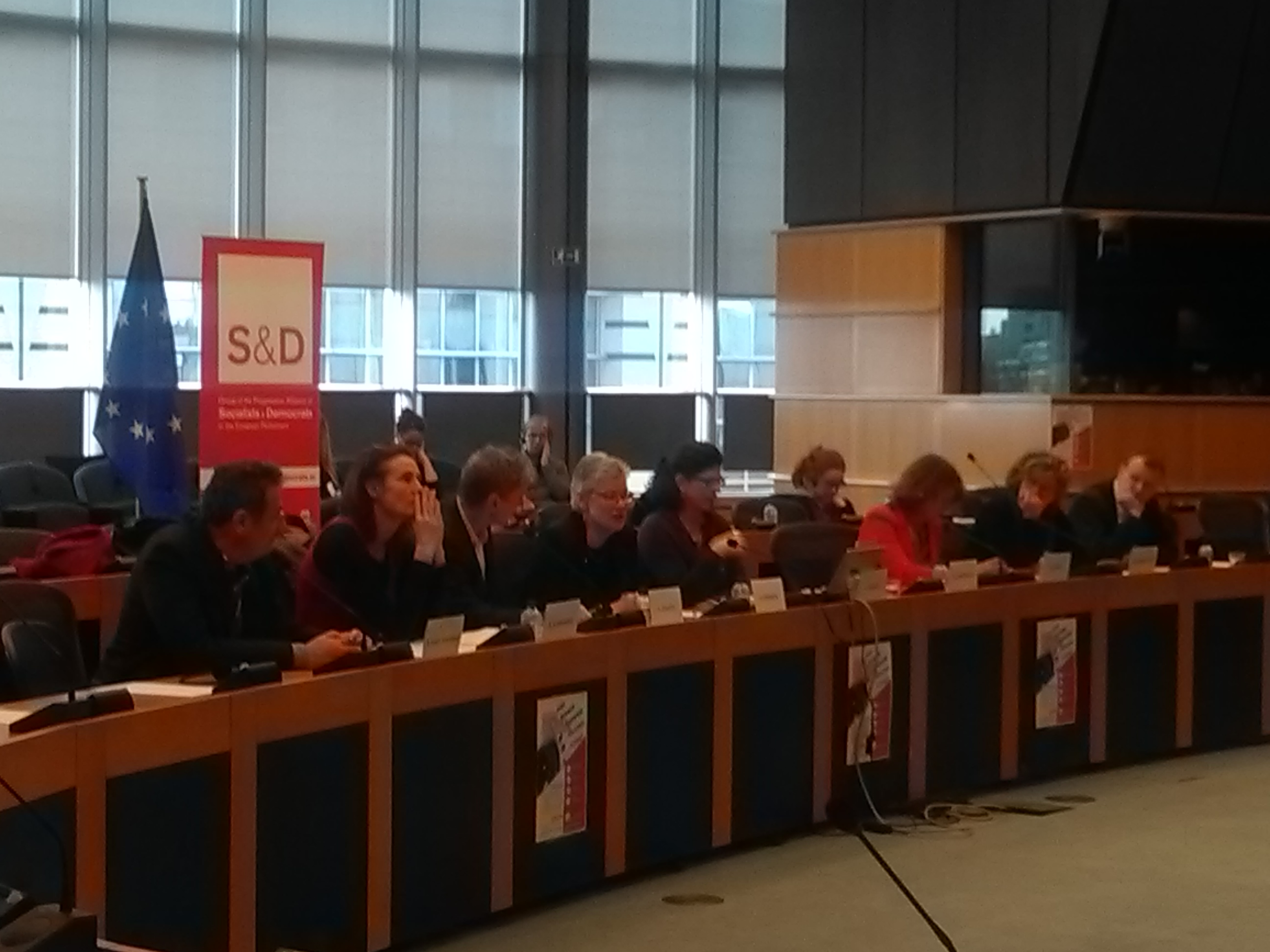
The European Federation of Journalists (EFJ) was invited by the Group of the Progressive Alliance of Socialists &Democrats in the European Parliament to a seminar on Diversity in Media and Culture Versus Convergence  on Thursday 7 of April. Ms Maria Joao Rodrigues, S&D Vice President and the chair of the Culture Committee Silvia Costa introduced the seminar highlighting the group’s priorities for pluralism, culture, media and communication as major sources of development and as a way to integrate European citizens within the European public sphere. Dr Elda Brogi from the Centre for Media Pluralism and Media Freedom (CMPF) exposed the…

From State Media to Public Service Broadcast

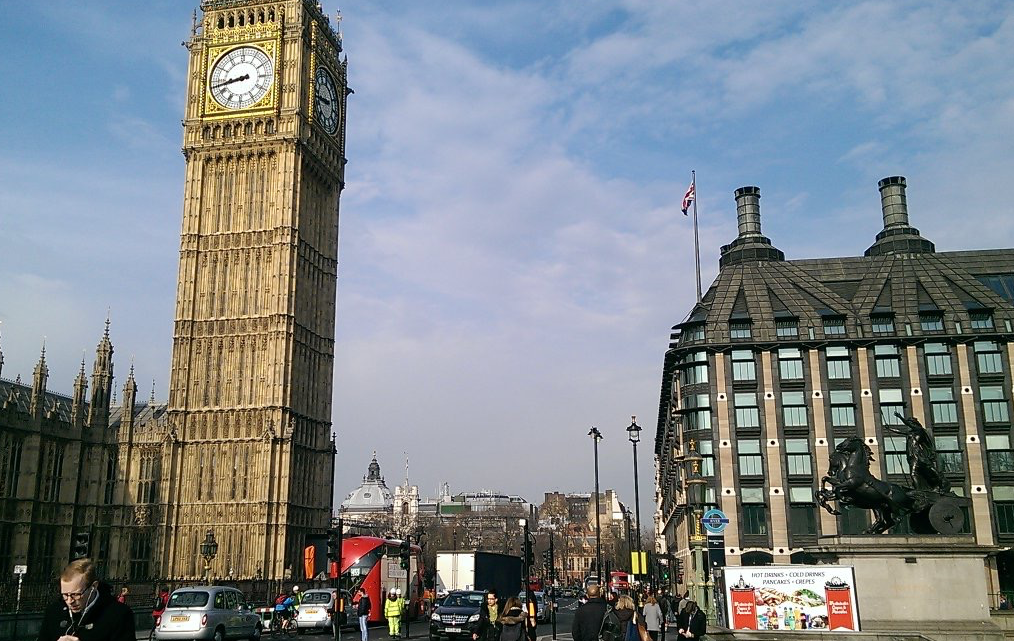
Speech by Mogens Blicher Bjerregård (EFJ President) The European Partnership countries in former Soviet states must realize that they in reality have to replace their state media by public service media independent from government Independency of media in the so-called partnership countries from Caucasus to Belarus, Ukraine and Moldova was on the agenda 11th April 2016 at a conference set up by the Council of Europe, hosted by UK Parliament at Portcullis House. I was on the speakers list and should deliver a speech about public broadcast. I emphasized and repeated what a previous panelist has said, that it is important to…

Swiss journalists campaign for collective agreements

Swiss Employment Law is designed liberally and the protection of employees is quite weak compared to other countries. In Switzerland, due to the different circumstances in each language area, the working conditions in the media industry vary from one area to another. While a Collective Agreement for journalists does exist in the French-speaking part of Switzerland, journalists in the German- and Italian-speaking parts have been working without one since 2004 and are therefore constantly facing the consequences of the lack of protection. However, there is reason to hope that this long lasting state of affairs may come to an end…

LAREG+ to monitor journalists labour conditions in Europe

Despite the travel difficulties to Brussels following the attacks of 22 March 2016, members of the Labour Rights Expert Group (LAREG) of the European Federation of Journalists (EFJ) continued their meeting in Brussels to discuss the evolution of labour conditions for journalists and media workers in Europe. Thanks to a new EFJ project entitled Building Trust in media in South East Europe and Turkey financially supported by UNESCO and the EU, the LAREG meeting provided a unique opportunity to exchange views between EU and non-EU participants from South Eastern Europe of the EFJ members and discuss recent developments in the media sector…

Croatia: Attack on well-known journalist Ante Tomić

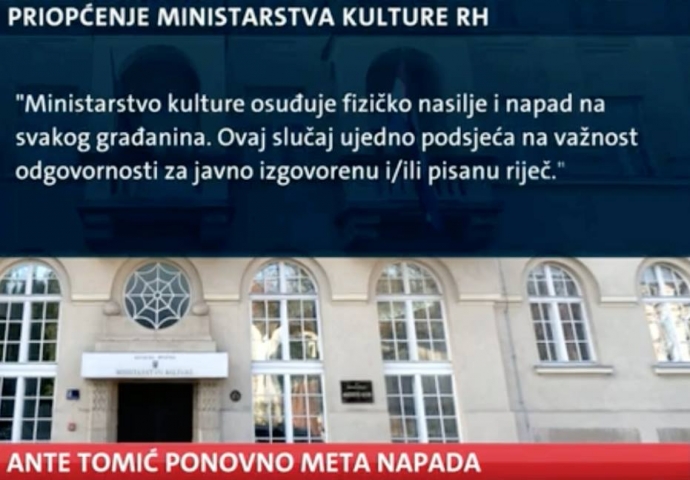
The European Federation of Journalists together with its affiliate in Croatia, the Croatian Journalists’ Association (CJA) condemns the verbal and physical attack on Ante Tomić, well-known journalist and writer, in the very center of Split. CJA congratulated the police for its quick response arresting two attackers. Meanwhile, however, the Culture Ministry responded with a quite unusual and disgraceful statement in which it seemed to give legitimacy to the attackers, report Croatian media on April 3, 2016. The Ministry sent this official statement: “The Ministry of Culture condemns physical violence and attacks on all citizens. At the same time, this case…