European Federation of Journalists

openMedia, investigating press freedom

Title of the project : openMedia, investigating press freedom
Lead Applicant
: openDemocracy

Partner organisations : EFJ, Index on censorship, King’s College London

The recently launched openMedia project aims to investigate and expose commercial interference in editorial decisions. The project is run by openDemocracy with the European Federation of Journalists (EFJ) as a partner alongside the Index on Censorship and King’s College London.

The project believes that there has not been enough of a concerted, ongoing spotlight on the extent and effects of commercial influence over the media, despite the dangerous consequences it poses for press freedom. For now, the project focuses on 47 countries across Europe but also has ambitions to expand.

Despite the recent launch, the project is adamant that it is not a response to the “fake news” hype of the past year or so. Rather, the project responds to scandals of commercial sponsors influencing media content; for example the Daily Telegraph’s suppression of investigations into its advertiser HSBC; and allegations that Buzzfeed deleted articles which advertisers found unfavourable.

According to the project, this power dynamic can suppress investigations of banks, pharmaceuticals, agriculture, fossil fuel giants, energy companies and other big businesses.

In addition, the project recognizes how for many readers, “sponsored content” is difficult to distinguish from genuine news content. The project therefore aims to clarify the commercial interests apparent in media to readers, and as part of the project, King’s College London will develop digital tools to help readers be better informed about news sources.

The findings of the project will be used to campaign for greater transparency and press freedom in news organisations and to empower journalists to advocate for transparency.

In order to do this, openMedia is currently conducting a confidential and anonymous survey of journalists across Europe, asking about their own working practices and experiences of commercial pressure inside newsrooms. The survey is available in English here and in many other languages here.
Actions

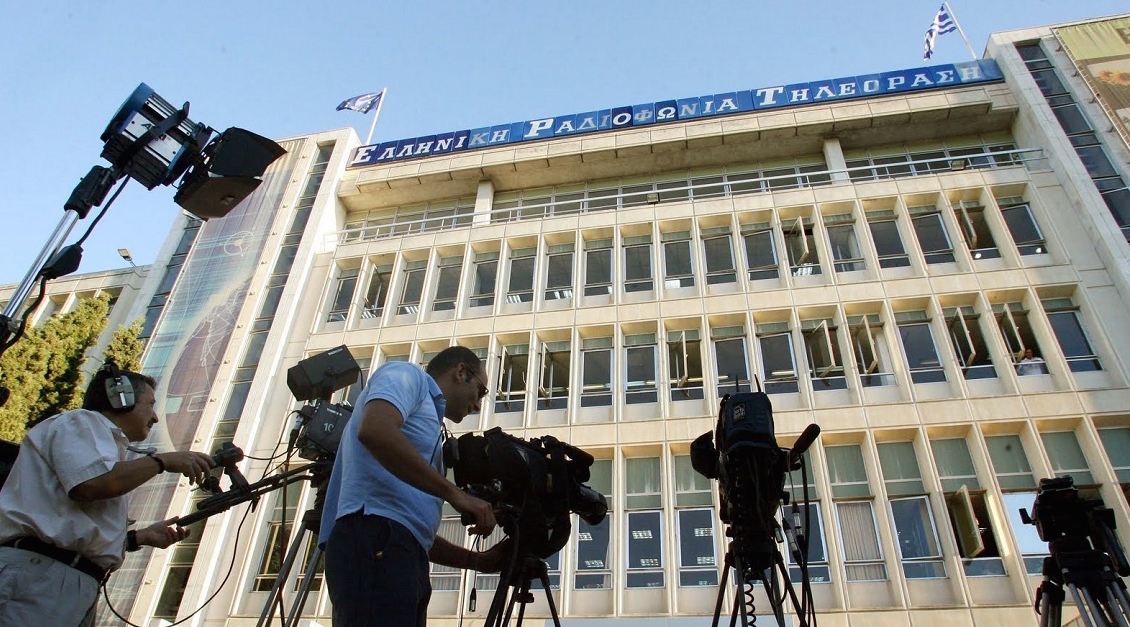
Greece: Public broadcaster ERT to reopen mid-April

The European Federation of Journalists (EFJ) has learned today that a draft bill for the reopening of public broadcaster ERT was made available for public consultation on Monday (09/03/2015) and is expected to be submitted in a consultation committee of the Greek Parliament in the coming days. The bill calls for the re-enforcement of the work agreements that were valid up until June 11, 2013, the day when the public broadcaster was shut down, meaning that all those who were made redundant then and would still like their job back will be rehired on the time related terms of the…

The EFJ celebrates the courage of women journalists

The European Federation of Journalists (EFJ) marks 8 March, International Women’s Day, by celebrating the courage of women journalists across Europe. The EFJ supports the International Federation of Journalists (IFJ) campaign calling for access to leadership in unions and media organisations for women. A recent report from the European Institute for Gender Equality (EIGE) concluded that “persistent gender inequalities in the media sector can be challenged by advancing women in decision-making.” “While women have considerably outnumbered men in university level and practice-based journalism programmes and women are employed in media professions in ever-increasing numbers, the organisational culture of media organisations remains largely masculine, and women are still significantly…

Who owns the media?

Who owns the media? Whose interest do they serve? The answers to these questions are difficult reach. To improve media ownership transparency, the European Federation of Journalists (EFJ) has endorsed a campaign launched by Access Info Europe for transparent and easy access to information about media ownership. According to Access Info Europe, a non-governmental organisation promoting access to information, only 9 European countries can the public find out who the actual owners of the broadcast media are from reporting to media regulators or to company registers. This is because disclosure to media regulators of beneficial (ultimate) owners of media outlets…

World Press Freedom Day 2015: Press for More Award opens for application

The European Federation of Journalists (EFJ) together with a group of media associations have joined the Brussels Platform for Journalism and iMinds, a Brussels-based digital research institute, to launch the Press for More Award meriting entrepreneurial and innovative ways of doing journalism. The prize will go to an individual or organisation that has created an impact on improving quality of journalism through new ways of reporting, storytelling, investiations, interactions, platforms, projects, tools, services, products, business models, etc. Winner of the award will be given 10.000€ on the World Press Freedom Day on 3 May 2015 to further develope the initiative…

Freelance journalists need more freedom, campaign and organisation

The Freelance Expert Group (FREG) of the European Federation of Journalists (EFJ) agreed at its latest meeting in Brussels (26/02/2015) to reinforce its campaign to improve the social and professional status of freelance journalists in Europe. The EFJ experts reached an agreement on two major issues: All freelance journalists are journalists and have the right to be member of a trade union or professional association. They have the right to be represented and defended by the organization of their choice. This may seem to be an obvious fact but in several European countries – such as EU member states Greece and…