European Federation of Journalists

IFJ-EFJ Regional Development Fund

Czech Republic


The European Federation of Journalists (EFJ) signed an agreement on 18 December 2014 with the Union of Journalists and Media Workers of Czech Republic (OSNPM) in order to investigate the working conditions of Czech journalists and media workers. The project is implemented with the cooperation of Judith Reitstatter, from the Austrian union GPA-djp.

The online survey was launched on 19 May 2015. Around 2,500 journalists and media workers were invited to participate to the survey. The EFJ, OSNPM and GPA-djp analysed together the main outcomes of the survey during a round table conference, on 19 August 2015, in Prague.

The questionnaire focus mainly on labour rights. “This area is underestimated by the Czech media, journalists themselves and their employers as well,” explains Zdeněk Kučera, chairman of OSNPM.

“Over the past 25 years, journalists’ attention was focused primarily toward freedom of speech, access to information, relations with media ownership and the development of media houses. These are very serious topics. However, journalists’ status remained grossly underrated. A specific problem is the status of freelance journalists, which are increasingly numerous, particularly in regional media.”

The main findings of the survey are available on the EFJ website, here.
FOCUS EFJ

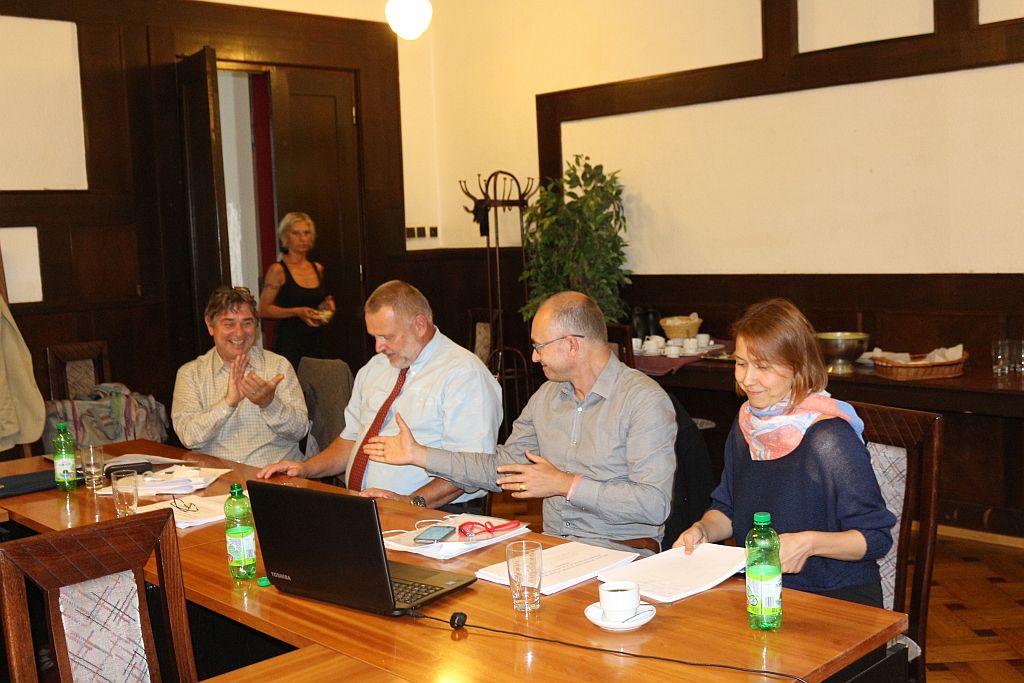
Side event of our project: a high school magazines national competition (Nejinspirativnější středoškolský časopis 2015). Here are the winners (picture credit: F. Cakl):

Czech

Contact details: OSNPM, e-mail: odborovy-svaz-novinaru@seznam.cz, website: http://www.odborovysvaznovinaru.cz


Slovakia

The European Federation of Journalists (EFJ), its Austrian union GPA-djp and the Slovak Union of Journalists (Slovenský syndikát novinárov) organized a meeting in Vienna, on 30 October 2014. Trade unionists and media students from both countries met in GPA-djp offices, in Vienna. The discussion on media convergence was launched by Dr. Roman Hummel, from the university of Salzburg.

Contact details: Judith Reitstaetter, judith.reitstaetter (at) gpa-djp.at


Estonia

The European Federation of Journalists (EFJ), the Estonian Union of Journalists (Eesti Ajakirjanike Liit, EAL) and the Union of Journalists in Finland (Suomen Journalistiliitto, UJF) agreed on 6 February 2015 to jointly implement the project “Workshops to Strengthen Journalists’ organisation in Estonia”.

The main objective of the project is to strengthen journalists’ organisation in Estonia, through three activities:

  • a freelance workshop in Helsinki,
  • a radio & TV negotiators workshop in Helsinki,
  • an authors’ rights seminar in Tallinn.

An action plan will be proposed for the next period.

Contact details: Juha Rekola, Juha.Rekola (at) journalistiliitto.fi, and Helle Tiikmaa, helle (at) eal.ee
 

Actions

Stop impunity, nobody should be free to kill journalists

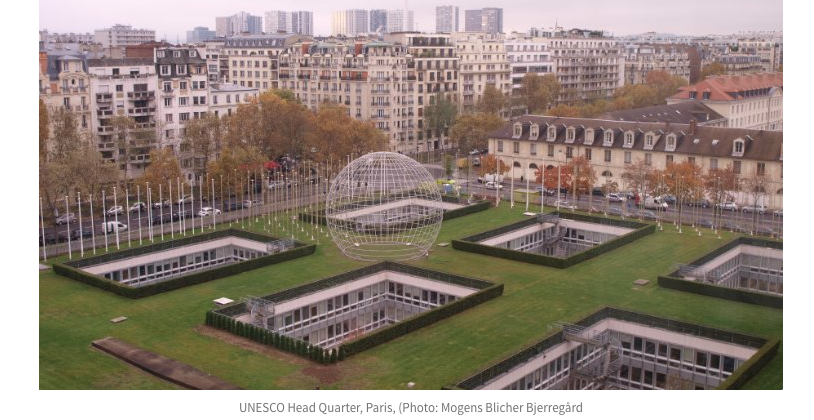
by Mogens Blicher Bjerregård, EFJ President 827 journalists were killed during the last decade and paid the ultimate price for exercising their job. An appalling and worrying fact documented by the biannual report from the Director General at UNESCO. The safety of journalists and fighting impunity was on top of the agenda during the UNESCO IPDC Council meeting, 17th-18th November 2016 in Paris. IPDC is an UNESCO program for safety of journalists, press freedom and media development. As the representative of Denmark, I delivered the following speech: Eight hundred and twenty seven, 827 journalists, have been killed since 2006. This is…

ETUC says new research shows need for EU whistleblower protection law

The European Trade Union Confederation (ETUC) issued today a press release calling for an EU-wide whistleblower protection. The European Federation of Journalists (EFJ) is a member organisation of the ETUC and fully supports the following statement. The EFJ is encouraging individuals and organisations to sign its petition on the issue. The EU can and should do a lot more to protect workers who come forward and blow the whistle on wrongdoing. Legal protection for whistleblowers throughout  the EU is a complicated maze of protections and the various civil liability laws mean that some people may be penalised and held personally liable…

Panama: EFJ-IFJ urge to release Dutch journalist detained over fraud and corruption reports

The European and International Federations of Journalists, IFJ and EFJ, together with their affiliate the Dutch Journalists Association (NVJ), have called for the immediate release of a Dutch journalist who faces a 20-month jail sentence. Dutch journalist Okke Ornstein was detained and arrested upon arriving at Panama’s Tocumen International Airport on 15 November. He is facing a 20-month sentence for libel and slander in relation to articles he posted on his blog about the alleged dubious business activities of a Canadian citizen, Monte Friesner, in Panama. The unions claim the libel and slander claims are baseless. The substantive aspects of the case…

Internet freedom around the world declined in 2016

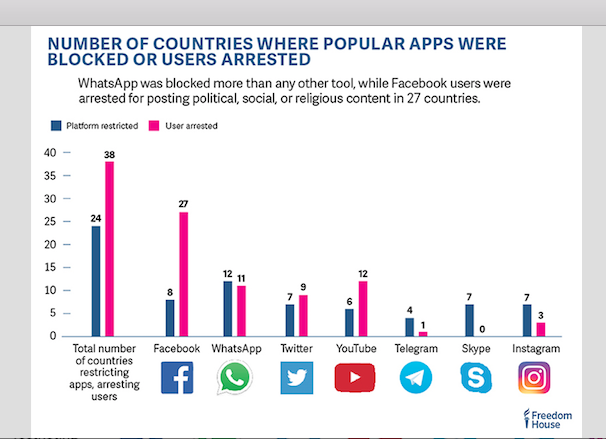
Freedom on the Net 2016 report published by Freedom House : Key Findings •Internet freedom around the world declined in 2016 for the sixth consecutive year. •Two-thirds of all internet users – 67 percent – live in countries where criticism of the government, military, or ruling family are subject to censorship. •Social media users face unprecedented penalties, as authorities in 38 countries made arrests based on social media posts over the past year. Globally, 27 percent of all internet users live in countries where people have been arrested for publishing, sharing, or merely “liking” content on Facebook. •Governments are increasingly…

UK Investigatory Powers Bill threatens journalistic sources and whistleblowers

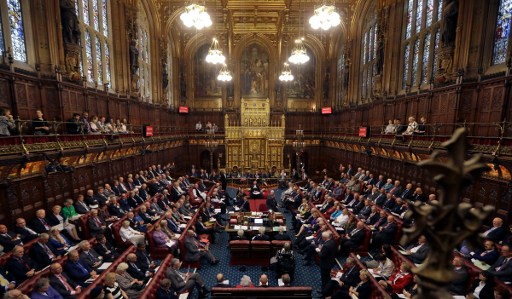
The International and European Federation of Journalists, (IFJ) and (EFJ), joined their UK affiliate, The National Union of Journalists (NUJ), in strongly condemning the Investigatory Powers Bill, which threatens the right to privacy, freedom of expression and investigative journalism, giving the Government sweeping spying powers. The new law gives the UK one of the most extreme spying powers in the developed world whose impact will be felt around the world. Under the “national security” pretext, the bill, which was passed by the House of Lords on 17 November will force internet and phone companies to store their users’ browsing data…

Majority of EU citizens think media lack independence

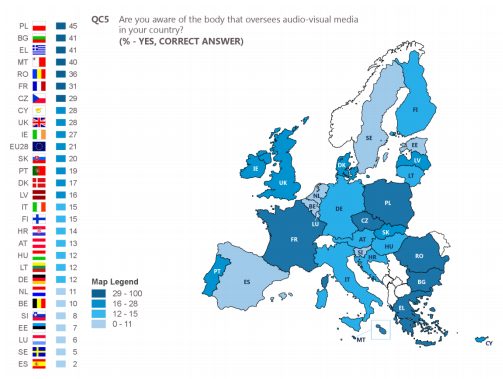
The results of the 2016 Eurobarometer survey on “Media pluralism and independence” published today (17/11/16) – just in time with the EU Annual Colloqium on Fundamental rights on “Media pluralism and democracy” – show two worrying trends: a majority of EU citizens believe that the media in their countries lack independence ; and 75% of the respondents have experienced hate speech on social media. This survey aims at representing the state of media pluralism and independence across the European Union. The results highlight that, according to the Europeans, there is much work to be done in ensuring the independence of national media – a vital cornerstone of…