European Federation of Journalists

IFJ-EFJ Regional Development Fund

Czech Republic


The European Federation of Journalists (EFJ) signed an agreement on 18 December 2014 with the Union of Journalists and Media Workers of Czech Republic (OSNPM) in order to investigate the working conditions of Czech journalists and media workers. The project is implemented with the cooperation of Judith Reitstatter, from the Austrian union GPA-djp.

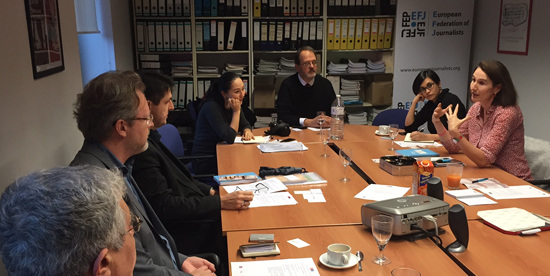
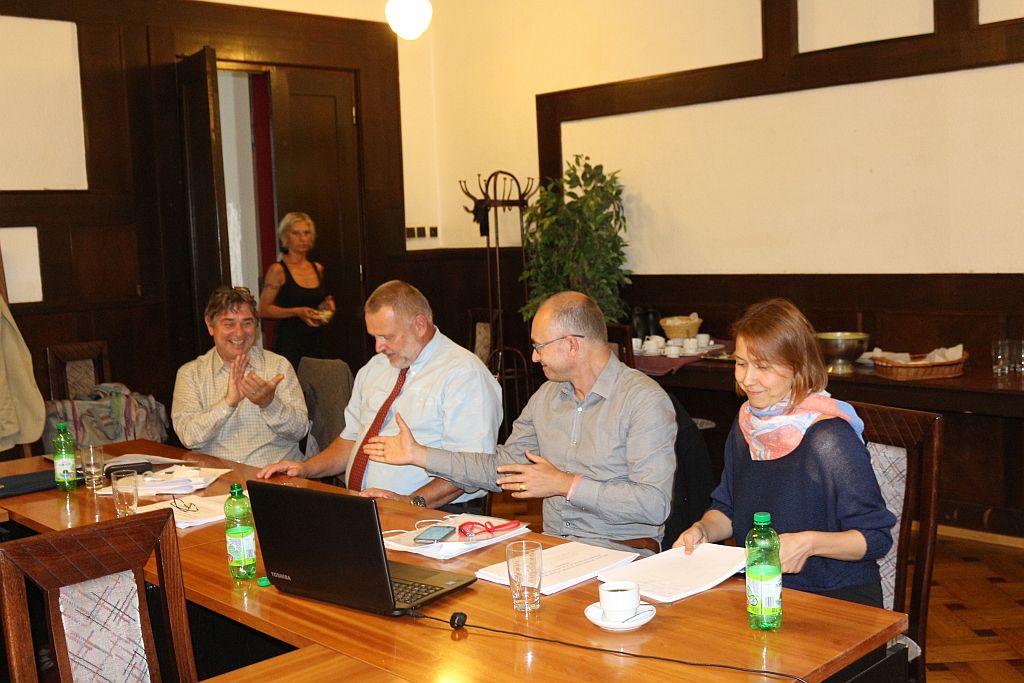
The online survey was launched on 19 May 2015. Around 2,500 journalists and media workers were invited to participate to the survey. The EFJ, OSNPM and GPA-djp analysed together the main outcomes of the survey during a round table conference, on 19 August 2015, in Prague.

The questionnaire focus mainly on labour rights. “This area is underestimated by the Czech media, journalists themselves and their employers as well,” explains Zdeněk Kučera, chairman of OSNPM.

“Over the past 25 years, journalists’ attention was focused primarily toward freedom of speech, access to information, relations with media ownership and the development of media houses. These are very serious topics. However, journalists’ status remained grossly underrated. A specific problem is the status of freelance journalists, which are increasingly numerous, particularly in regional media.”

The main findings of the survey are available on the EFJ website, here.
FOCUS EFJ

Side event of our project: a high school magazines national competition (Nejinspirativnější středoškolský časopis 2015). Here are the winners (picture credit: F. Cakl):

Czech

Contact details: OSNPM, e-mail: odborovy-svaz-novinaru@seznam.cz, website: http://www.odborovysvaznovinaru.cz


Slovakia

The European Federation of Journalists (EFJ), its Austrian union GPA-djp and the Slovak Union of Journalists (Slovenský syndikát novinárov) organized a meeting in Vienna, on 30 October 2014. Trade unionists and media students from both countries met in GPA-djp offices, in Vienna. The discussion on media convergence was launched by Dr. Roman Hummel, from the university of Salzburg.

Contact details: Judith Reitstaetter, judith.reitstaetter (at) gpa-djp.at


Estonia

The European Federation of Journalists (EFJ), the Estonian Union of Journalists (Eesti Ajakirjanike Liit, EAL) and the Union of Journalists in Finland (Suomen Journalistiliitto, UJF) agreed on 6 February 2015 to jointly implement the project “Workshops to Strengthen Journalists’ organisation in Estonia”.

The main objective of the project is to strengthen journalists’ organisation in Estonia, through three activities:

  • a freelance workshop in Helsinki,
  • a radio & TV negotiators workshop in Helsinki,
  • an authors’ rights seminar in Tallinn.

An action plan will be proposed for the next period.

Contact details: Juha Rekola, Juha.Rekola (at) journalistiliitto.fi, and Helle Tiikmaa, helle (at) eal.ee
 

Actions

EFJ urges Russian authorities to halt advertising law on media

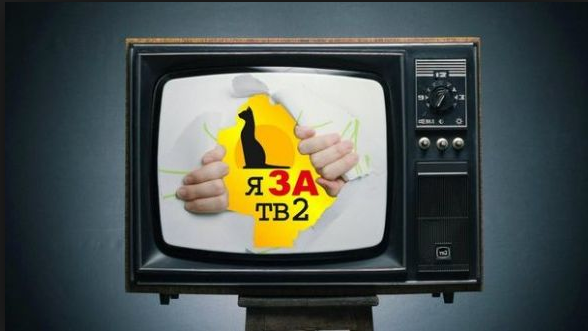
The European Federation of Journalists (EFJ) has joined the Russian Union of Journalists (RUJ) today to demand the Russian authorities to halt the advertising law entering into force on 1 January 2015 and prevent the closure of independent broadcaster TV-2. The new law that has been approved by President Vladimir Putin will affect many independent Russian television channels by stripping them off their main source of income – advertising revenues. “The new law will lead to many closures of media organisations, in particular small and medium-size independent media companies,” warns Mogens Blicher Bjerregård, EFJ President, “This will lead to a…

Journalists stage protest outside Downing Street for press freedom in Turkey

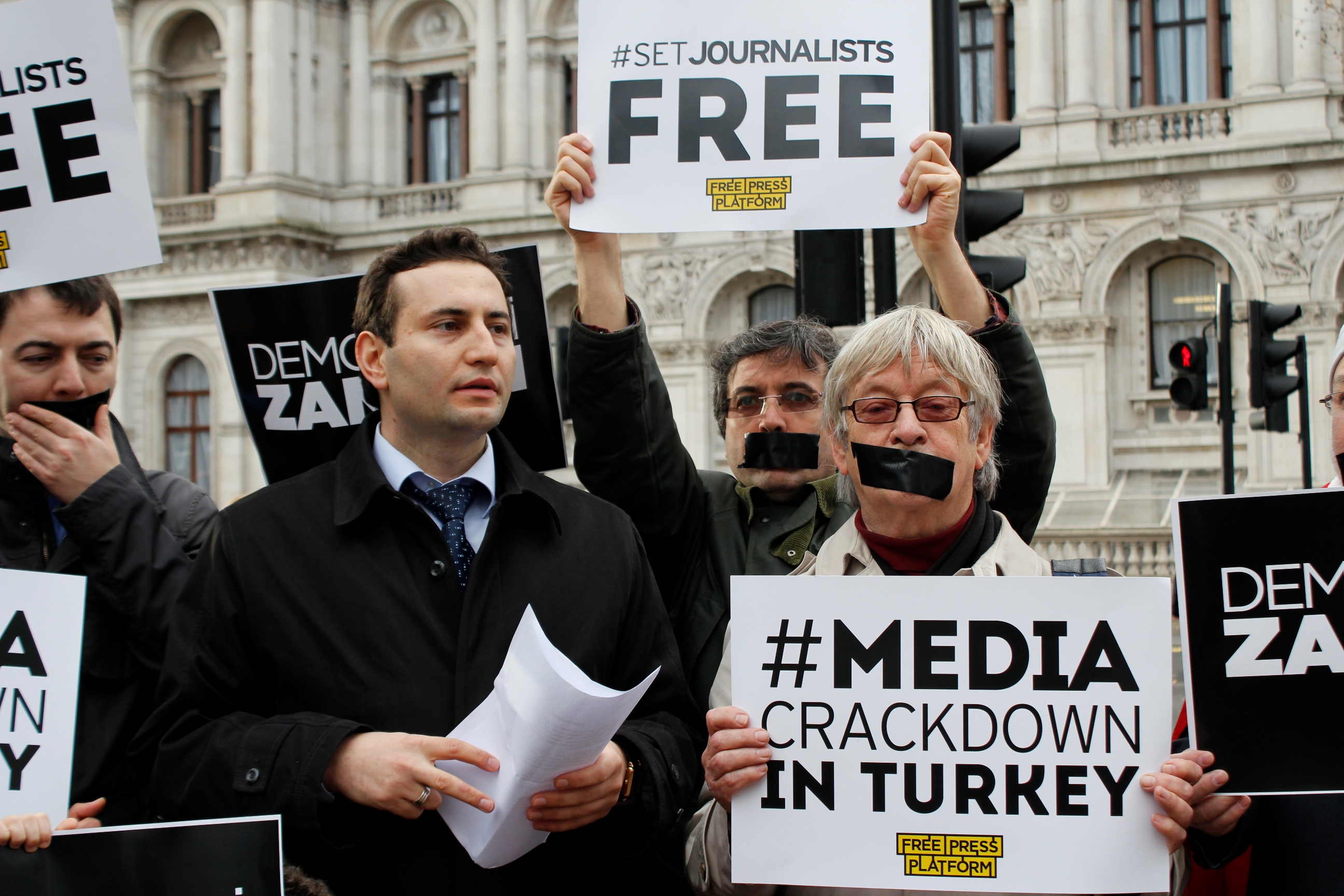
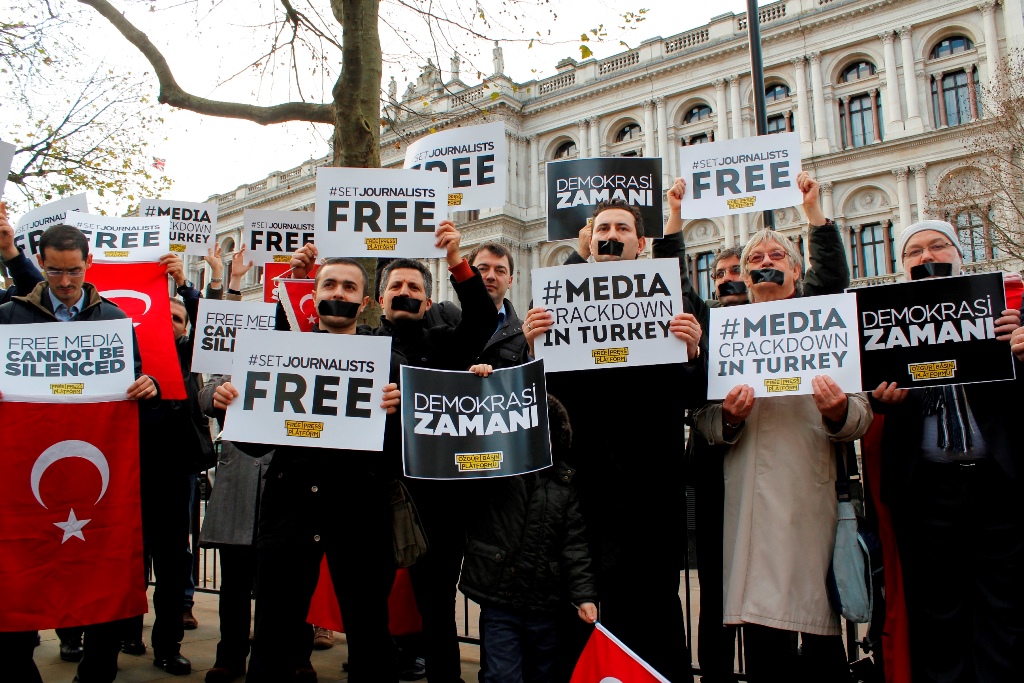
The National Union of Journalists (NUJ), an EFJ affiliate in the United Kingdom, has staged a protest today outside the Downing Street in London calling for press freedom in Turkey. Barry White, NUJ representative to the European Federation of Journalists  said “The government  must not remain silent to these abuses. Last year saw a drop in the number of journalists in prison, a welcome move, but this latest attack by the authorities shows that they have come back for more. We will continue to campaign for freedom of expression and the right to report by standing in solidarity with our…

EFJ FOCUS, December 2014

The new issue of the EFJ Focus is now available in English. The German and the French version will soon be available.   To subscribe, simply click HERE. If you missed the previous issues, see our archives. (Photo Credit : Zaman UK Newspaper)

freedomtopublish

Awareness raising for freedom to publish

The EFJ has today welcomed in Brussels a delegation composed from the Turkish Publishers Association, the Swedish Publishers’ Association, the International Publishers Association and EMHRN. The working group’s agenda was focused on the legal framework in terms of freedom to publish in Europe, examples of restrictions and bans in the EU countries, the experience of European organizations in terms of freedom to publish in the context of the Western Balkans enlargement. The working group compared strategies, discussed concrete examples of advocacy tactics and ways to monitor the jurisprudence of the European Court of Human Rights and the Court of Justice…

Nils Muiznieks

Human Rights Commissioner’s report critical of Hungary’s media freedom

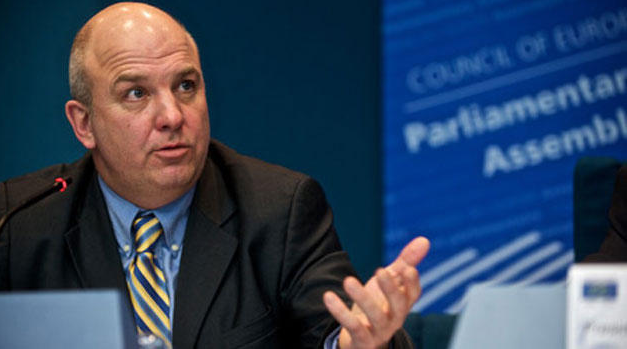
The European Federation of Journalists (EFJ) has welcomed today the report on Hungary by the Commissioner for Human Rights of the Council of Europe, Mr. Nils Muižnieks, criticising the country’s bad media freedom records and calling for changes to the media law. Judit Acsay, the Vice-President of the EFJ affiliate in Hungary (MÚOSZ), says “the report accurately summarises the state of media freedom in Hungary. I hope this will put pressure on the government to push for changes.” The report published today (16/12/2014) after Mr. Muižnieks’s visit to Hungary in July 2014 has examined various aspects relating to human rights…

Juncker Commission breaks promise to create a mandatory lobby register, say transparency campaigners

According to ALTER EU transparency campaigners [1], the proposal by the Juncker Commission – as part of its 2015 work plan announced today – to introduce a mandatory lobby register on the basis of an inter-institutional agreement is misleading because such an agreement will not be binding on lobbyists. A revised lobby register based on an inter-institutional agreement will lack mechanisms for verifying whether the information in the register is correct and will mean that there is no possibility to apply effective sanctions when incorrect information has been provided. This is the situation currently and a new inter-institutional agreement will…