European Federation of Journalists

openMedia, investigating press freedom

Title of the project : openMedia, investigating press freedom
Lead Applicant
: openDemocracy

Partner organisations : EFJ, Index on censorship, King’s College London

The recently launched openMedia project aims to investigate and expose commercial interference in editorial decisions. The project is run by openDemocracy with the European Federation of Journalists (EFJ) as a partner alongside the Index on Censorship and King’s College London.

The project believes that there has not been enough of a concerted, ongoing spotlight on the extent and effects of commercial influence over the media, despite the dangerous consequences it poses for press freedom. For now, the project focuses on 47 countries across Europe but also has ambitions to expand.

Despite the recent launch, the project is adamant that it is not a response to the “fake news” hype of the past year or so. Rather, the project responds to scandals of commercial sponsors influencing media content; for example the Daily Telegraph’s suppression of investigations into its advertiser HSBC; and allegations that Buzzfeed deleted articles which advertisers found unfavourable.

According to the project, this power dynamic can suppress investigations of banks, pharmaceuticals, agriculture, fossil fuel giants, energy companies and other big businesses.

In addition, the project recognizes how for many readers, “sponsored content” is difficult to distinguish from genuine news content. The project therefore aims to clarify the commercial interests apparent in media to readers, and as part of the project, King’s College London will develop digital tools to help readers be better informed about news sources.

The findings of the project will be used to campaign for greater transparency and press freedom in news organisations and to empower journalists to advocate for transparency.

In order to do this, openMedia is currently conducting a confidential and anonymous survey of journalists across Europe, asking about their own working practices and experiences of commercial pressure inside newsrooms. The survey is available in English here and in many other languages here.

Actions

The EFJ condemns the arrest of Russian journalist Marina Ovsiannikova

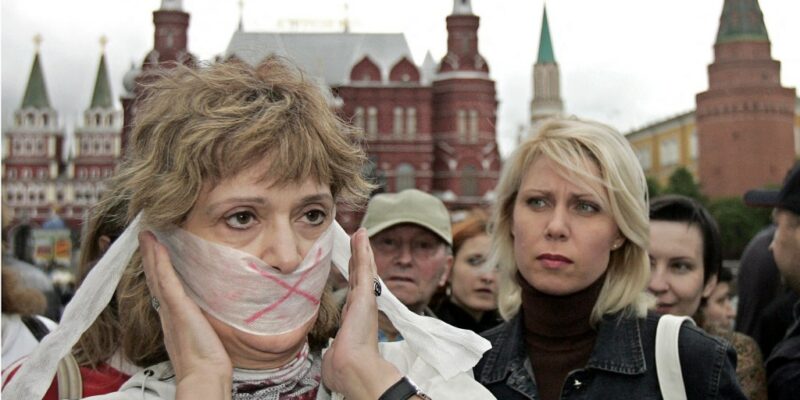
Russian journalist Marina Ovsiannikova was officially charged with “spreading false information” about the army on Wednesday 10 August. She was arrested today and will spend the night in pre-trial detention in Moscow. She faces “up to ten years in prison” under a new article of the Russian Criminal Code, introduced after the start of the war in Ukraine. The European Federation of Journalists (EFJ) condemned the judicial harassment of the journalist and demanded her immediate release. Marina Ovsiannikova is famous for interrupting a Russian state TV news programme and has already received two administrative fines for her anti-war stance in…

Belarus: repression continues on the 2nd anniversary of the fraudulent elections

In Belarus, since the fraudulent presidential election of 9 August 2020, journalists have faced hundreds of arrests and detentions. The European Federation of Journalists (EFJ) joins its Belarusian affiliate, the Belarusian Association of Journalists (BAJ), in condemning the indiscriminate repression by the regime of dictator Alexander Lukashenko. The EFJ and BAJ demand the immediate release of the 30 journalists and media workers currently imprisoned in Belarus. 9 August 2022 is the second anniversary of the most recent presidential election in the Republic of Belarus. Two years ago, instead of recognizing the democratic choice, the authorities overturned it through the use…

Malta: The Shift News faces a freedom of information battle with the government

We, the undersigned free expression, press freedom, and journalists’ organisations, express support for The Shift News as it faces an all-out legal battle against 40 freedom of information (FOI) lawsuits brought by 40 government entities in Malta. These appeal lawsuits pose a serious threat to the country’s already worrying freedom of information and press freedom climate. We call for these cases to be immediately dropped and for the government of Malta to fully comply with its FOI obligations going forward. In July 2021, Malta’s Data Protection Commissioner ruled in favour of 40 FOI requests filed by independent media outlet The…

Greece: EFJ demands full disclosure on illegal surveillance of journalists

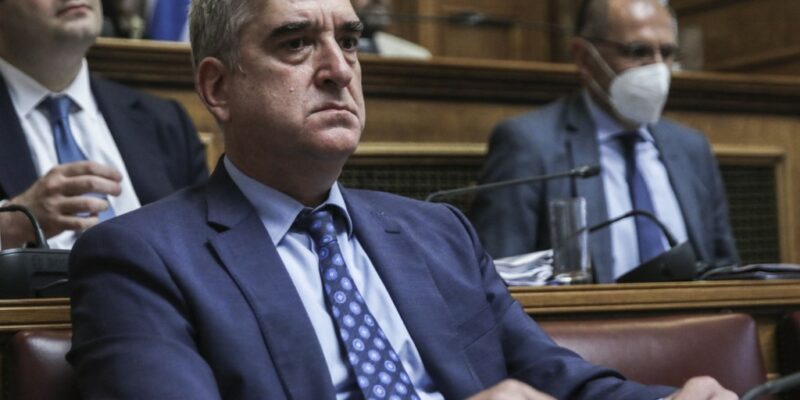
The European Federation of Journalists (EFJ) condemns the legal actions aimed at muzzling and intimidating the press in the context of the scandal of illegal government practices in Greece, in particular the tapping of journalists and politicians. The EFJ condemns the abusive legal proceedings launched on Friday 5 August by Grigoris Dimitriadis, resigning adviser and nephew of Greek Prime Minister Kyriákos Mitsotákis, against journalists Thanasis Koukakis, Nikolas Leontopoulos and Thodoris Chondrogiannos, as well as against the website Reporters United and the newspaper EfSyn. “We demand the immediate withdrawal of these complaints, which are only intended to intimidate the press and…

Belgium: Everything is going up, except freelance rates

Freelance rates in Belgium have been stagnating for three years, according to a survey conducted in May and June 2022 by the Belgian Association of Professional Journalists (AJP). In a context of rising inflation (8% expected), the gap between employed journalists, who benefit from annual salary indexation, and freelancers is widening. The journalists’ organisation will make the remuneration of freelancers a priority from September. Journalism is one of the few sectors where the clients – the media – set the rates. The different calculation practices (billing per sign, per word, per line, per article, per day) make it difficult, to…

Russia: EFJ and IFJ condemn “stop list” banning European journalists

After a series of British journalists, Russia has banned, on Monday morning, the Danish public television correspondent in Moscow, Matilde Kimer. The European and International Federations of Journalists (EFJ-IFJ) call for the reversal of these decisions. On the morning of 1 August, on arrival at Moscow’s Vnukovo airport, Matilde Kimer had passed through passport control but was arrested after collecting her luggage. At an airport office, she was handed a document stating that she was denied entry to the Russian Federation “for security and defence reasons” and should therefore be deported immediately. After a five-hour wait at the airport in Moscow,…