European Federation of Journalists

openMedia, investigating press freedom

Title of the project : openMedia, investigating press freedom
Lead Applicant
: openDemocracy

Partner organisations : EFJ, Index on censorship, King’s College London

The recently launched openMedia project aims to investigate and expose commercial interference in editorial decisions. The project is run by openDemocracy with the European Federation of Journalists (EFJ) as a partner alongside the Index on Censorship and King’s College London.

The project believes that there has not been enough of a concerted, ongoing spotlight on the extent and effects of commercial influence over the media, despite the dangerous consequences it poses for press freedom. For now, the project focuses on 47 countries across Europe but also has ambitions to expand.

Despite the recent launch, the project is adamant that it is not a response to the “fake news” hype of the past year or so. Rather, the project responds to scandals of commercial sponsors influencing media content; for example the Daily Telegraph’s suppression of investigations into its advertiser HSBC; and allegations that Buzzfeed deleted articles which advertisers found unfavourable.

According to the project, this power dynamic can suppress investigations of banks, pharmaceuticals, agriculture, fossil fuel giants, energy companies and other big businesses.

In addition, the project recognizes how for many readers, “sponsored content” is difficult to distinguish from genuine news content. The project therefore aims to clarify the commercial interests apparent in media to readers, and as part of the project, King’s College London will develop digital tools to help readers be better informed about news sources.

The findings of the project will be used to campaign for greater transparency and press freedom in news organisations and to empower journalists to advocate for transparency.

In order to do this, openMedia is currently conducting a confidential and anonymous survey of journalists across Europe, asking about their own working practices and experiences of commercial pressure inside newsrooms. The survey is available in English here and in many other languages here.
Actions

EFJ welcomes the award of the Sakharov Prize to the democratic opposition in Belarus

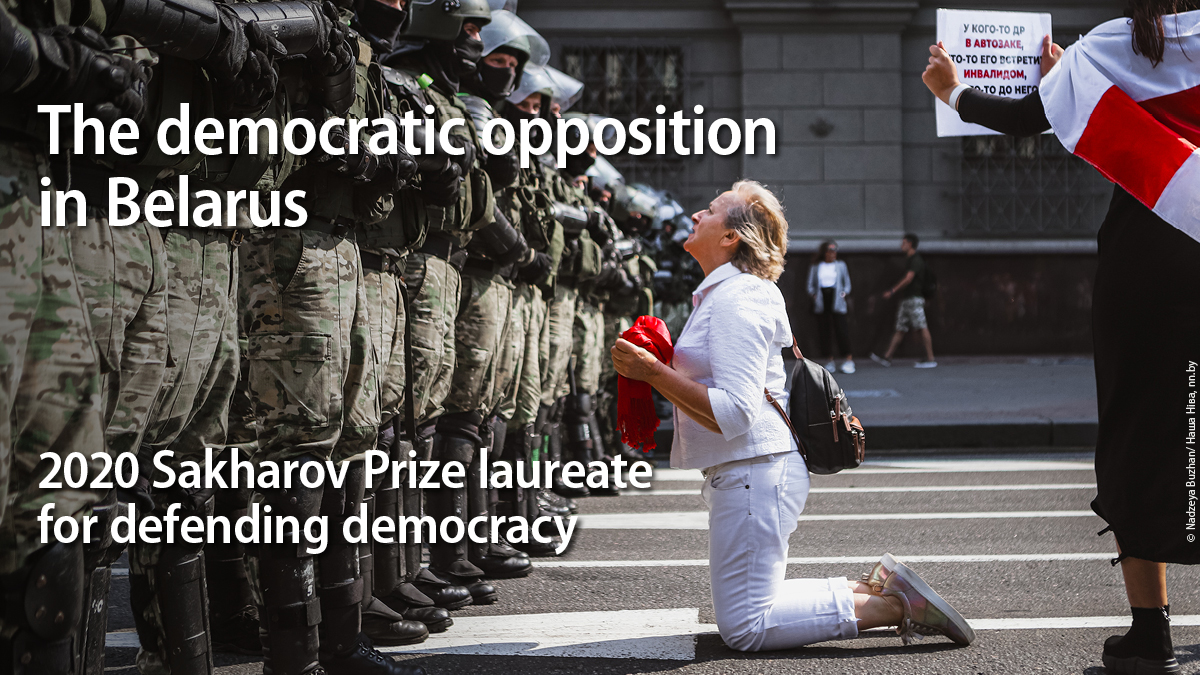
The democratic opposition in Belarus has won this year’s Sakharov Prize for Freedom of Thought, European Parliament President David Sassoli announced today. The Sakharov Prize is awarded by the European Parliament every year in memory of Soviet physicist and dissident Andrei Sakharov. The European Federation of Journalists (EFJ) welcomes the award of the prize to the Belarusian opposition and recalls that six journalists are still in prison in Belarus just for doing their job. Protests erupted in Belarus following a disputed presidential election in August that Alexander Lukashenko claimed to have won with 80 percent of the vote, leading to…

Ukraine: Arson of regional media’s editorial office at the height of election campaign

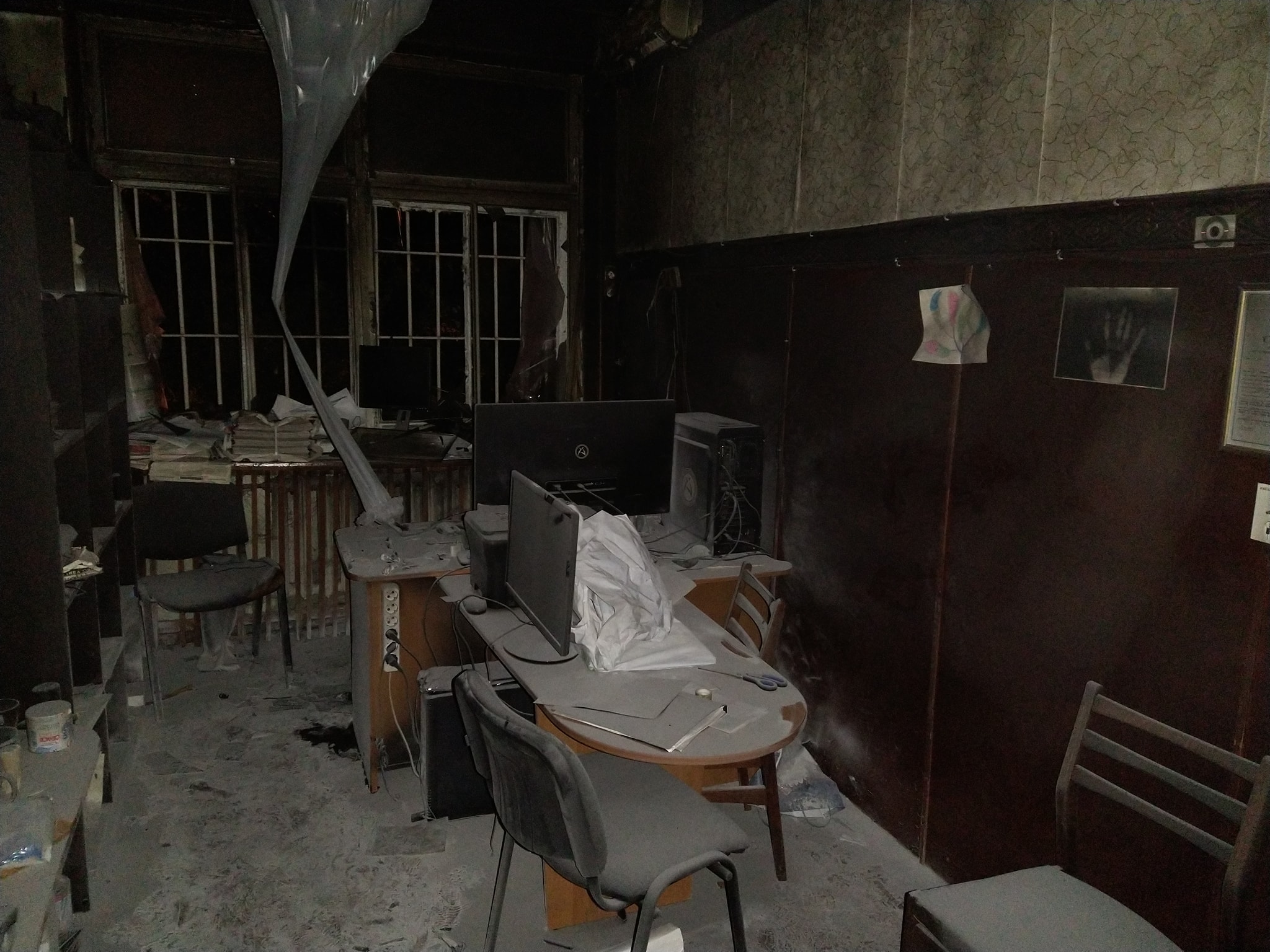
On the night of 21 October, the editorial office of the regional media Alternatyva.org was burned down in the Odesa Oblast region. The National Union of Journalists of Ukraine (NUJU) reported the incident, referring to information from Roman Varshanidze, the editor-in-chief of the publication. The journalist informed that according to witnesses, two unknown persons broke the editorial office window and threw a bottle with Molotov cocktail in it. As a result, the furniture and floor were burnt, but the editorial office and equipment were saved by the neighbours who were able to put out the flames before the firefighters arrived.…

If you want ethical quality information, work with press councils!

What can press councils be used for? A European promotional video co-funded by the European Commission with the support of the Conseil de déontologie journalistique (CDJ – Belgium), is launched today by all European press councils and their partner organisations. It recalls the role and assets of these particular bodies often unknown to the general public pointing one key message : if you want ethical quality information, work with us!   At a time when pieces of information coming from all sources are jostling around without us always knowing whether we can rely on it or not, at a time when distrust of journalists has become the rule, press councils…

Netherlands: Union negotiates travel ban exemption for IFJ press card holders

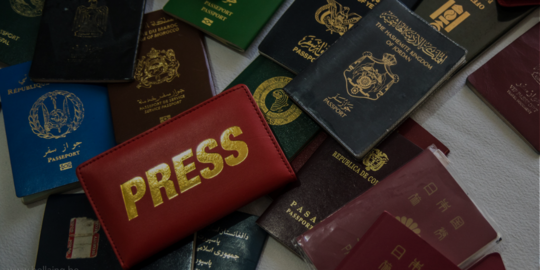
Foreign journalists traveling to the Netherlands will be exempt from a travel ban and be able to leave quarantine to carry out vital newsgathering provided they are carrying an IFJ International Press Card (IPC). The protocol, negotiated between the Dutch Journalist Association, the NVJ, and the country’s authorities exempts foreign journalists in possession of the IPC and a letter issued by the union, are exempted from the travel restrictions currently in place. Journalists are still required to: get a visa when needed follow travel requirements follow corona rules in place, such as self-quarantine for 10 days, except for the time journalists…

Kosovo: journalist Shkumbin Kajtazi’s car attacked for the second time in four months

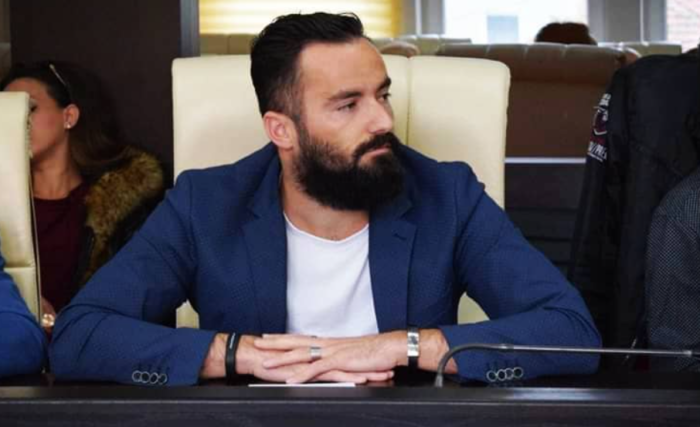
On Sunday, 18 October, Kosovo journalist Shkumbin Kajtazi announced via a Facebook post that he had found his car damaged by several bullets that broke the window and left holes on the front and back seats. It is believed that this attack is related to his journalistic work. Kajtazi is an investigative journalist working for Reporteri.net and Jepi zë and covers political events, politicians and corruption affairs in Kosovo. This is the second time in four months that the journalist was targeted. The previous time, on 13 June, his car was set on fire and the prosecutor informed him that…

Netherlands: Public Broadcaster NOS removes logo from vehicles following increased attacks against journalists

On 15 October, the Dutch Public Broadcaster NOS announced they are removing NOS logos from their cars and trucks due to the number of attacks against their employees and elevated fear of further harassment. The logic behind this step is that journalists’ safety increases when it is not immediately recognisable who they are working for. The measure, which was taken after thorough consideration, is described as a “defeat for the NOS, but especially for journalism” by Marcel Gelauff, editor-in-chief of NOS. “However, almost daily aggressions towards journalists, such as calling names, threats, cutting off on the highway or banging on…