European Federation of Journalists

openMedia, investigating press freedom

Title of the project : openMedia, investigating press freedom
Lead Applicant
: openDemocracy

Partner organisations : EFJ, Index on censorship, King’s College London

The recently launched openMedia project aims to investigate and expose commercial interference in editorial decisions. The project is run by openDemocracy with the European Federation of Journalists (EFJ) as a partner alongside the Index on Censorship and King’s College London.

The project believes that there has not been enough of a concerted, ongoing spotlight on the extent and effects of commercial influence over the media, despite the dangerous consequences it poses for press freedom. For now, the project focuses on 47 countries across Europe but also has ambitions to expand.

Despite the recent launch, the project is adamant that it is not a response to the “fake news” hype of the past year or so. Rather, the project responds to scandals of commercial sponsors influencing media content; for example the Daily Telegraph’s suppression of investigations into its advertiser HSBC; and allegations that Buzzfeed deleted articles which advertisers found unfavourable.

According to the project, this power dynamic can suppress investigations of banks, pharmaceuticals, agriculture, fossil fuel giants, energy companies and other big businesses.

In addition, the project recognizes how for many readers, “sponsored content” is difficult to distinguish from genuine news content. The project therefore aims to clarify the commercial interests apparent in media to readers, and as part of the project, King’s College London will develop digital tools to help readers be better informed about news sources.

The findings of the project will be used to campaign for greater transparency and press freedom in news organisations and to empower journalists to advocate for transparency.

In order to do this, openMedia is currently conducting a confidential and anonymous survey of journalists across Europe, asking about their own working practices and experiences of commercial pressure inside newsrooms. The survey is available in English here and in many other languages here.
Actions

EFJ-IFJ support Slovak journalists’ call for action in Ján Kuciak murder investigation

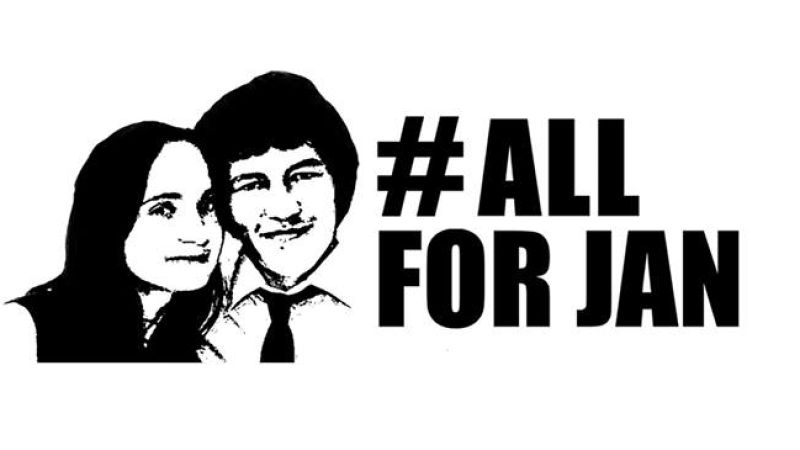
Slovak journalists are demanding for action in the murder investigation of journalist Ján Kuciak and his fiancee Martina Kušnírova, which after six months has not given any results. In an open letter, signed by over 300 Slovak colleagues, journalists call for not forgetting the murder and ensuring the independent investigation. European and International Federations of Journalists stand in support with their Slovak colleagues in asking the state authorities to ensure the continuation of a thorough and effective investigation without further delays. Slovak journalists are raising concerns on the actual independence of the current investigation of the murder, concerning the Kuciak’s own findings on…

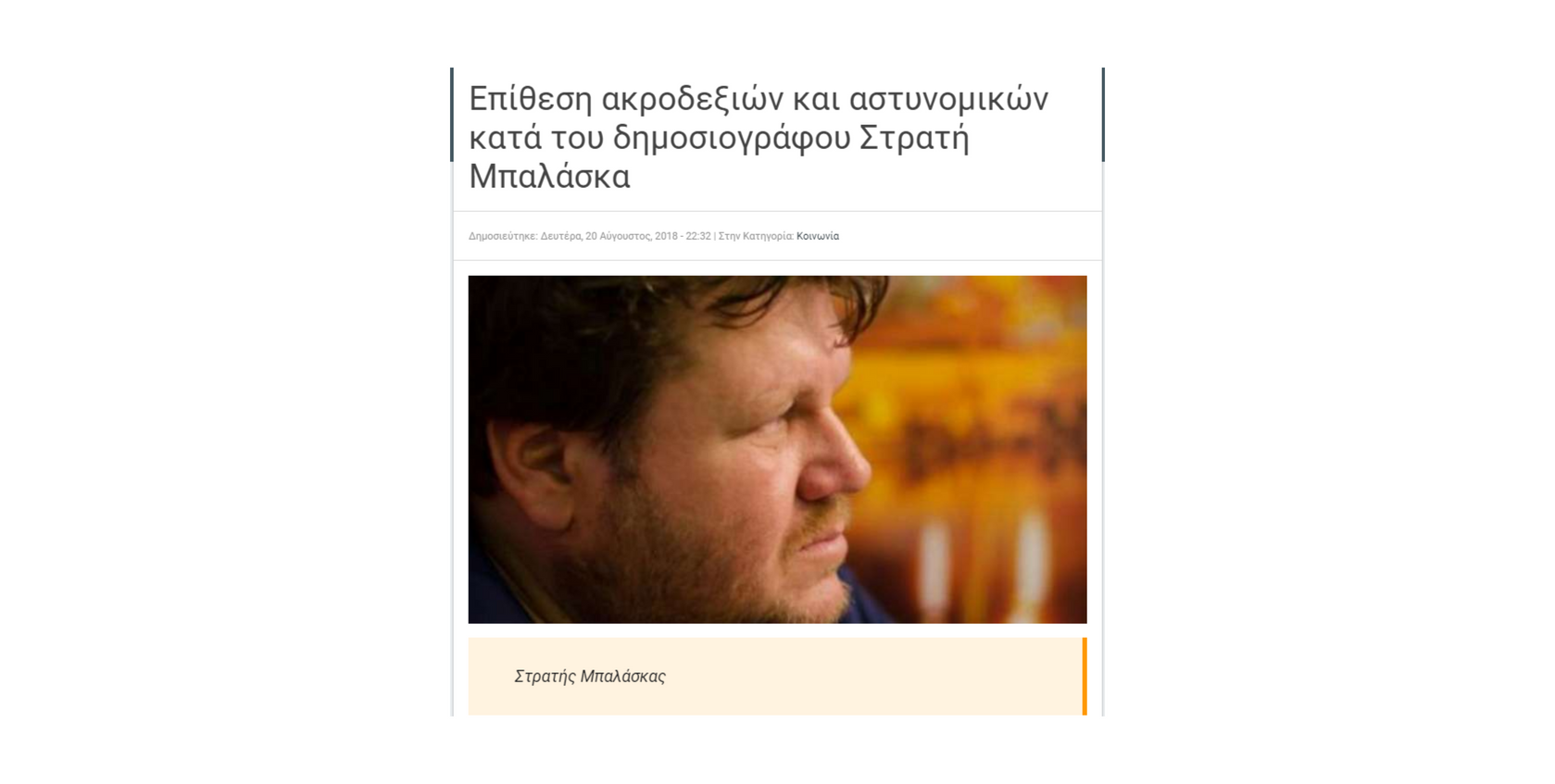
Greece: journalist Stratis Balaska under coordinated online threats

RES-MPA correspondent Stratis Balaska has been under online and verbal attacks by members of neo-nazi movement “Golden Dawn” after publishing an editorial on August 15th. The publication covered history of Mytilene’s Chapel of Virgin Mary and its significance to the refugee women. Death threats, harassment and incitement to “punishment he deserves” were sent to journalists on Facebook. The threats online were a part of series of threats against Stratis Balaska because of his journalistic work. He was verbally attacked by three men, who he said to be extremists, on the street at the port of Mytilene, Lesbos, on August 12th. After…

Finnish public broadcaster fights online hate speech with dialogue and respect

One of six Finnish journalists have received some form of threats connected to their professional work, revealed a survey, conducted by the Union of Journalists of Finland (UJF) in 2016. Among them, topics focusing on issues related to immigration, asylum seeking and Russian interference prompt the most negative response and the highest number of attacks against journalists online. The Finnish newsrooms developed a number of measures and protocols to address the rising issue of online harassment, which proved to be successful. One of the advanced steps has been implemented by the public broadcaster Yle by introducing community management, which is…

Journalists detained in Dresden after complaint by far-right protester

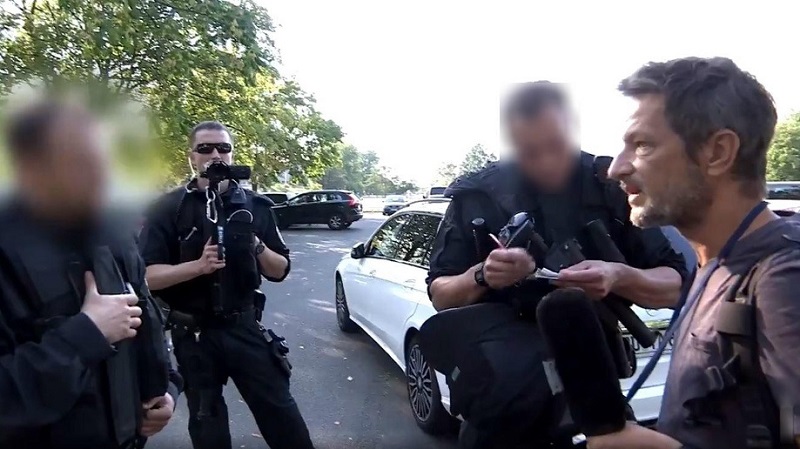
Members of a TV crew working for German public broadcaster ZDF´s investigative political magazine programme Frontal21 were detained by police during 45 minutes, on 16 August, after a complaint by a participant at a Pegida (far-right) demonstration in Dresden. The European Federation of Journalists (EFJ) joins its German affiliates, DJV and dju in ver.di, in condemning the Saxon police action. Footage shot by the camera team, which included broadcast journalists Ulrich Stoll and Arndt Ginzel, shows a procession of demonstrators including one man shouting “Lügenpresse!” (“lying press”) while looking and pointing at the camera team. The footage also shows the…

EFJ calls again for immediate release of Donetsk journalist Stanislav Aseev

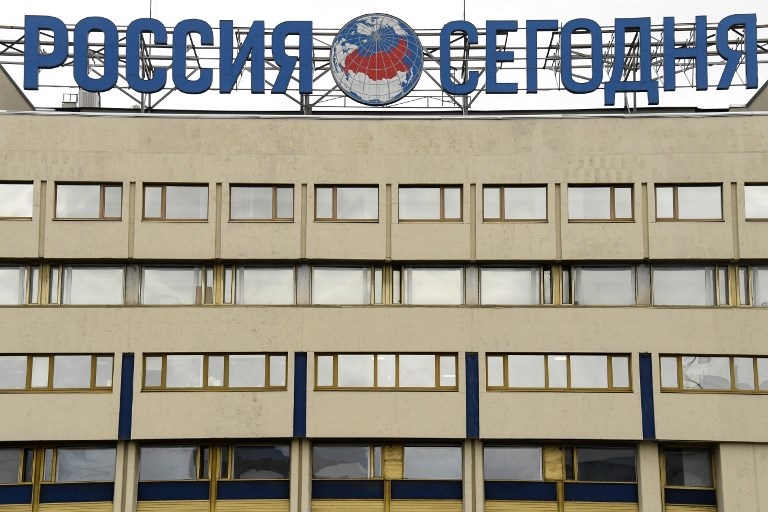
UPDATE (21/08/2018): Ukrainian media and human rights organisations issued a statement today to condemn the so-called “interview” with detained journalist Stanislav Aseev aired by Rossiya 24. ————– Russian television channel Rossiya 24 has aired on August 17 an interview with kidnapped journalist Stanislav Aseev, in which he “confesses” to working for Ukrainian intelligence in Donbass. The interview has raised concerns that Aseev, who has been illegally imprisoned in Donetsk for over a year, was coerced into confessing to false espionage charges. Radio Free Europe/Radio Liberty (RFE/RL) has said it considers the “confession” of spying for the Ukrainian government given by Stanislav Aseyev “to…

Migrants and ethnic minorities are underrepresented in media

A collaboration of a team of media scholars, Jakob-Moritz Eberla, Christine E. Meltzerb, Tobias Heidenreicha, Beatrice Herreroc, Nora Theorind, Fabienne Linda, Rosa Berganzac, Hajo G. Boomgaardena, Christian Schemerb, and Jesper Strömbäckd, resulted in a publication “European media discourse on migration and its effects: a literature review“, which sets to explore the landscape of media research covering the media discourse on immigration and its effects across Europe. The literature review addresses a general problem of under-representation and depicting migrants as delinquents or criminals. Although, media framing differs for specific migrant groups and used discourses, immigration coverage is often negative and conflict-centered, the publication shows. Repetitive exposure to negative messages on migrants leads to…