European Federation of Journalists

openMedia, investigating press freedom

Title of the project : openMedia, investigating press freedom
Lead Applicant
: openDemocracy

Partner organisations : EFJ, Index on censorship, King’s College London

The recently launched openMedia project aims to investigate and expose commercial interference in editorial decisions. The project is run by openDemocracy with the European Federation of Journalists (EFJ) as a partner alongside the Index on Censorship and King’s College London.

The project believes that there has not been enough of a concerted, ongoing spotlight on the extent and effects of commercial influence over the media, despite the dangerous consequences it poses for press freedom. For now, the project focuses on 47 countries across Europe but also has ambitions to expand.

Despite the recent launch, the project is adamant that it is not a response to the “fake news” hype of the past year or so. Rather, the project responds to scandals of commercial sponsors influencing media content; for example the Daily Telegraph’s suppression of investigations into its advertiser HSBC; and allegations that Buzzfeed deleted articles which advertisers found unfavourable.

According to the project, this power dynamic can suppress investigations of banks, pharmaceuticals, agriculture, fossil fuel giants, energy companies and other big businesses.

In addition, the project recognizes how for many readers, “sponsored content” is difficult to distinguish from genuine news content. The project therefore aims to clarify the commercial interests apparent in media to readers, and as part of the project, King’s College London will develop digital tools to help readers be better informed about news sources.

The findings of the project will be used to campaign for greater transparency and press freedom in news organisations and to empower journalists to advocate for transparency.

In order to do this, openMedia is currently conducting a confidential and anonymous survey of journalists across Europe, asking about their own working practices and experiences of commercial pressure inside newsrooms. The survey is available in English here and in many other languages here.
Actions

European media organisations express support to Swiss public service and local TV and radio stations

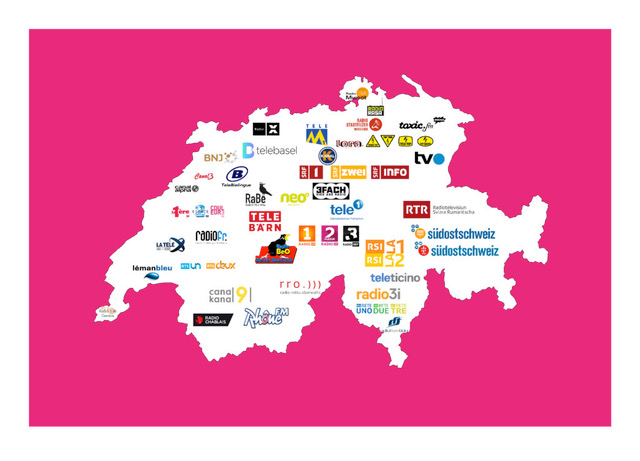
On March 4th, Swiss citizens will decide through a national vote whether to abolish the media reception fee, previously collected through the company Billag (hence the initiative’s name “NoBillag”). The current Swiss media system is comprised of public service, private and community media, each sector with its specific functions and roles. The abolition of the national media reception fee would result in the loss of reliable sources of information and put democratic values at risk. In a country characterised by great linguistic and cultural diversity, public service media operated by SRG SSR not only guarantees access to information in all…

Report about fact-finding mission to Estonia and Lithuania

A new report about the fact-finding mission conducted by the European Federation of Journalists (EFJ) and the European Centre for Press and Media Freedom (ECPMF) which investigated the media situation in Estonia and Lithuania from 22 to 24 January can be found here. Members of the mission interviewed almost 30 experts: representatives of the government, academia, press councils, public service media, journalists‘ organisations, investigative journalists, editors-in-chief and CEOs of major media companies. The two Baltic states were chosen in the wake of a wave of disinformation spread by Russian specialists during the US election campaign. The question, whether the comparatively small societies of Estonia and…

European Parliament resolution on the current human rights situation in Turkey

During the European Parliament plenary session (5-8 February 2018) in Strasbourg, MEPs voted a resolution on the current human rights situation in Turkey. The European Federation of Journalists welcomes the references to the fate of imprisoned journalists, to the specific cases of Deniz Yücel, Ayla Albayrak, Mehmet Altan, Sahin Alpay and Ahmet Sik, to the indictments of signatories of Academics for Peace, to the misuse of the state of emergency to silence dissent, to the chilling effect of the pressure on social media users expressing criticism against the military operation in Afrin. The full text of the resolution as adopted…

The EFJ launches the book “Free European Media”

The European Federation of Journalists (EFJ) launches the book “Free European Media” in connection with the conference, barring the same name Free European Media 2018, to take place in Gdansk, Poland. Hate speech and fake news are rife, citizens are getting more and more confused as propaganda undermines the credibility of our news media, and our fundamental values are under attack. Impartial and accurate journalism is under attack. It is high time to address the importance of uncensored, pluralistic media for the development of our free democracies in Europe. The conference Free European Media 2018 adresses that challenge and  Nordic Journalist Center is…

Serbia: EFJ denounced the intimidation campaign against its affiliate NUNS

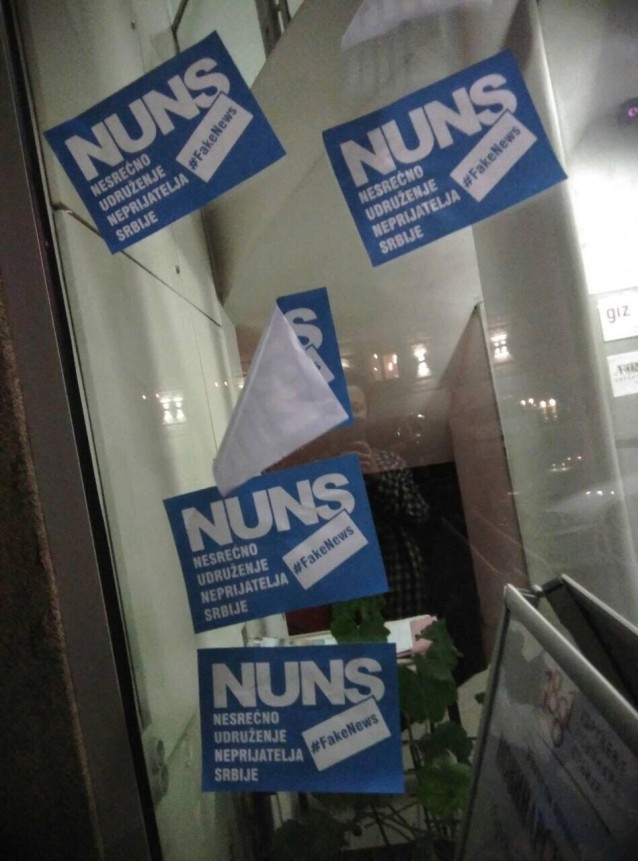
On 7 February 2018, the European Federation of Journalists (EFJ) denounced on the platform of the Council of Europe for the safety of journalists and protection of journalism the following case: On two separate occasions (04/02/2018 and 05/02/2018), the Belgrade office of the Independent Journalists Association of Serbia (NUNS or IJAS) has been the target of insults and intimidation with a printed flyer describing IJAS as an “Unhappy Association of Enemies of Serbia”. The flyers were glued into the glass entrance of the House of Journalists where the head office of the Independent Journalists Association of Serbia is located. It…

In France and Italy, the so-called “fake news” have a limited reach, new study reveals

The Reuters Institute just published the first evidence-based study “Measuring the reach of ‘fake news’ and online disinformation in Europe” focusing on the most popular false news sites in France and Italy. The results show that the so-called “fake news” have a limited reach and that the time spent on false news websites is far lower than the time spent on news websites. It is often assumed that false news have a huge impact on the people who read them. Yet the research reveals that most of the false news websites analysed had a reach of less than 1% of…