European Federation of Journalists

openMedia, investigating press freedom

Title of the project : openMedia, investigating press freedom
Lead Applicant
: openDemocracy

Partner organisations : EFJ, Index on censorship, King’s College London

The recently launched openMedia project aims to investigate and expose commercial interference in editorial decisions. The project is run by openDemocracy with the European Federation of Journalists (EFJ) as a partner alongside the Index on Censorship and King’s College London.

The project believes that there has not been enough of a concerted, ongoing spotlight on the extent and effects of commercial influence over the media, despite the dangerous consequences it poses for press freedom. For now, the project focuses on 47 countries across Europe but also has ambitions to expand.

Despite the recent launch, the project is adamant that it is not a response to the “fake news” hype of the past year or so. Rather, the project responds to scandals of commercial sponsors influencing media content; for example the Daily Telegraph’s suppression of investigations into its advertiser HSBC; and allegations that Buzzfeed deleted articles which advertisers found unfavourable.

According to the project, this power dynamic can suppress investigations of banks, pharmaceuticals, agriculture, fossil fuel giants, energy companies and other big businesses.

In addition, the project recognizes how for many readers, “sponsored content” is difficult to distinguish from genuine news content. The project therefore aims to clarify the commercial interests apparent in media to readers, and as part of the project, King’s College London will develop digital tools to help readers be better informed about news sources.

The findings of the project will be used to campaign for greater transparency and press freedom in news organisations and to empower journalists to advocate for transparency.

In order to do this, openMedia is currently conducting a confidential and anonymous survey of journalists across Europe, asking about their own working practices and experiences of commercial pressure inside newsrooms. The survey is available in English here and in many other languages here.
Actions

Fact-finding mission to the Baltics: no “fake news” but blurring lines between journalism and advertising

Journalism is under tremendous economic pressure in the Baltics. This opens the door to political influence and PR. The governments of Estonia and Lithuania answer this with very different approaches. The European Federation of Journalists (EFJ) and the European Centre for Press and Media Freedom (ECPMF) investigated the media situation in Estonia and Lithuania from 22-24 January 2018. They interviewed almost 30 experts, among them representatives from the government, academia, press councils, public service media, journalists’ organisations, investigative journalists, editors-in-chief and CEOs. First, the good news: concerning media freedom and pluralism, Estonia and Lithuania are doing comparatively well. Considering the…

Danish court acquits photojournalist charged with refusing to obey police order

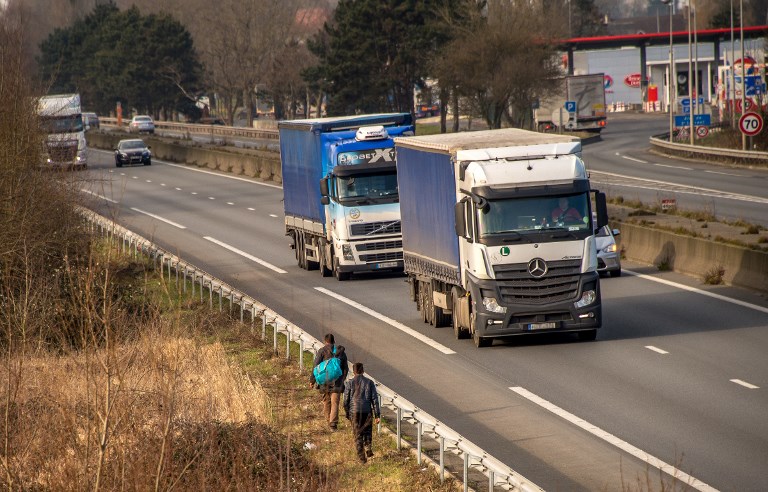
By Joshua Hollingdale, Dansk Journalistforbund The photojournalist from Danish daily Politiken, Martin Lehmann, was acquitted on the 22 January 2018 in a case concerning the legality of refusing a command by the police to remove himself from a Danish motorway, where a large group of refugees were travelling by foot. The acquittal was viewed as a matter of principle, largely based on a regard to public interest and freedom of the press. Lehmann was arrested by Danish police on 9 September 2015 for refusing a command by officers to leave the motorway where the group of refugees were walking, and…

Fact-finding mission to Estonia highlights negative impact of a deregulated media

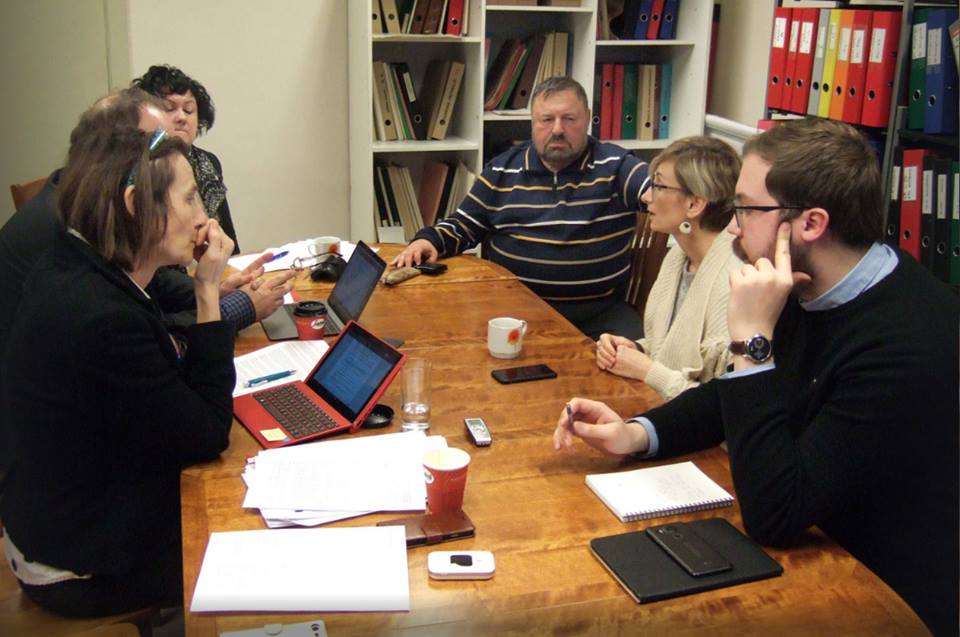
The European Federation of Journalists (EFJ) and the European Centre for Press and Media Freedom (ECPMF) concluded their Fact-Finding Mission to Estonia, 22-23rd January 2018, by noting that in comparison with many other Eastern European countries,  media freedom in Estonia is rather high. However, the complete deregulation of the media has led to  high media concentration and a negative impact on quality of the media. Many journalists are, as in other countries, replaced by  ”media content providers” who are only valued for their speed and quantity to churn out content in order to reach profit goals. Managing director of ECPMF,…

Gender inequalities in media content and production persist, new study says

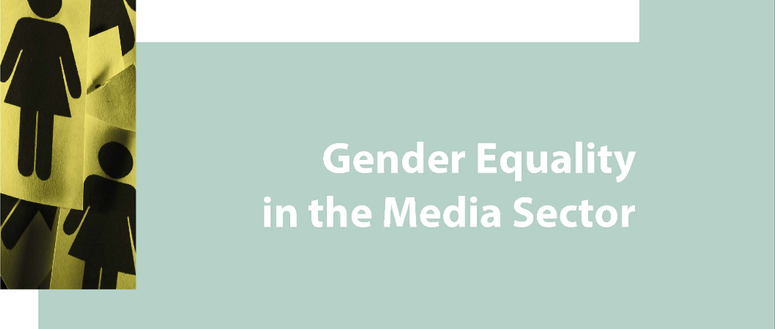
The European Parliament has just published its latest study on ‘Gender Equality in the Media Sector’. The study, requested by the Committee on Women’s Rights and Gender Equality and undertaken by the Department of Citizens’ Rights and Constitutional affairs, examines representation and conditions in the media and key elements of European policy towards gender equality in the sector. It also presents case studies in Austria, Malta, Sweden, and the UK. Many women who were interviewed reported widespread discrimination and inequality of opportunities in pay, recruitment, allocation of work, and promotion. Working structures, norms and practices were also seen as advantaging…

Joint mission to Serbia: our recommendations

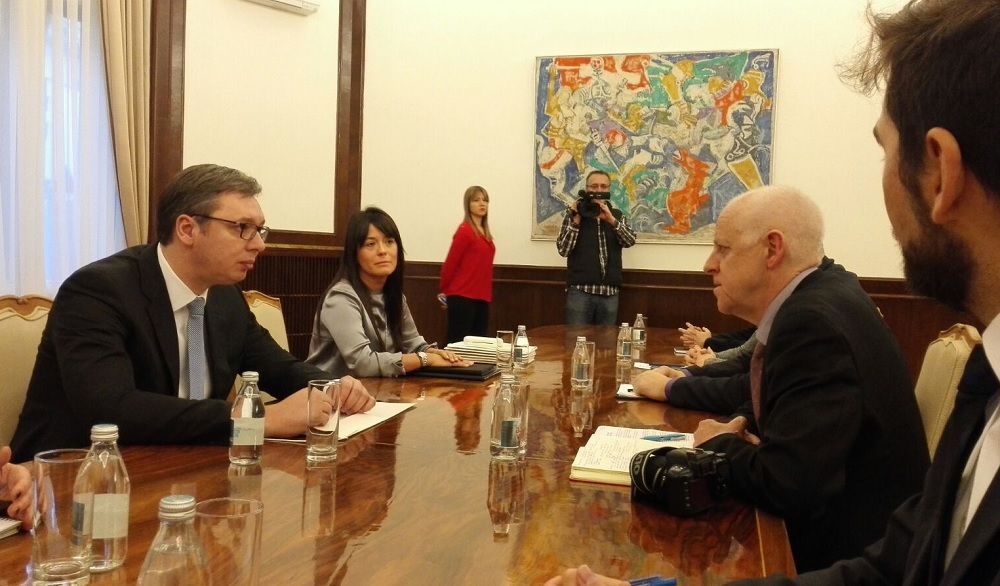
Following concerns about the state of media freedom in Serbia expressed by both Serbian journalists and media organisations as well as international organisations and institutions, an international joint fact-finding mission comprised of representatives from the European Federation of Journalists (EFJ), the International Press Institute (IPI) and the South East Europe Media Organisation (SEEMO) visited Serbia from 18th-19th January 2018. “It was encouraging to follow the big interest in Serbia on our fact finding mission. Without any doubt our mission shows that there are a huge need of creating an environment where all journalist by decent working conditions can do their…

In the front line to raise trust in journalism in South East Europe

On Monday (22/01/2018), the European Federation of Journalists (EFJ) organised a training of trainers workshop for the Labour Rights Expert Group Plus (LAREG+) at the EU InfoCentre in Podgorica (Montenegro) in the framework of its project Building Trust in Media in South East Europe and Turkey, financially supported by the UNESCO and the European Union. Trade union or professional association representatives from Albania, Bosnia and Herzegovina, Macedonia, Montenegro, Serbia and Kosovo followed the training given by Croatian journalist and trade unionist Gabrijela Galic on how to build trust in media in the Western Balkans. The Turkish participant was not allowed to leave…