European Federation of Journalists

openMedia, investigating press freedom

Title of the project : openMedia, investigating press freedom
Lead Applicant
: openDemocracy

Partner organisations : EFJ, Index on censorship, King’s College London

The recently launched openMedia project aims to investigate and expose commercial interference in editorial decisions. The project is run by openDemocracy with the European Federation of Journalists (EFJ) as a partner alongside the Index on Censorship and King’s College London.

The project believes that there has not been enough of a concerted, ongoing spotlight on the extent and effects of commercial influence over the media, despite the dangerous consequences it poses for press freedom. For now, the project focuses on 47 countries across Europe but also has ambitions to expand.

Despite the recent launch, the project is adamant that it is not a response to the “fake news” hype of the past year or so. Rather, the project responds to scandals of commercial sponsors influencing media content; for example the Daily Telegraph’s suppression of investigations into its advertiser HSBC; and allegations that Buzzfeed deleted articles which advertisers found unfavourable.

According to the project, this power dynamic can suppress investigations of banks, pharmaceuticals, agriculture, fossil fuel giants, energy companies and other big businesses.

In addition, the project recognizes how for many readers, “sponsored content” is difficult to distinguish from genuine news content. The project therefore aims to clarify the commercial interests apparent in media to readers, and as part of the project, King’s College London will develop digital tools to help readers be better informed about news sources.

The findings of the project will be used to campaign for greater transparency and press freedom in news organisations and to empower journalists to advocate for transparency.

In order to do this, openMedia is currently conducting a confidential and anonymous survey of journalists across Europe, asking about their own working practices and experiences of commercial pressure inside newsrooms. The survey is available in English here and in many other languages here.
Actions

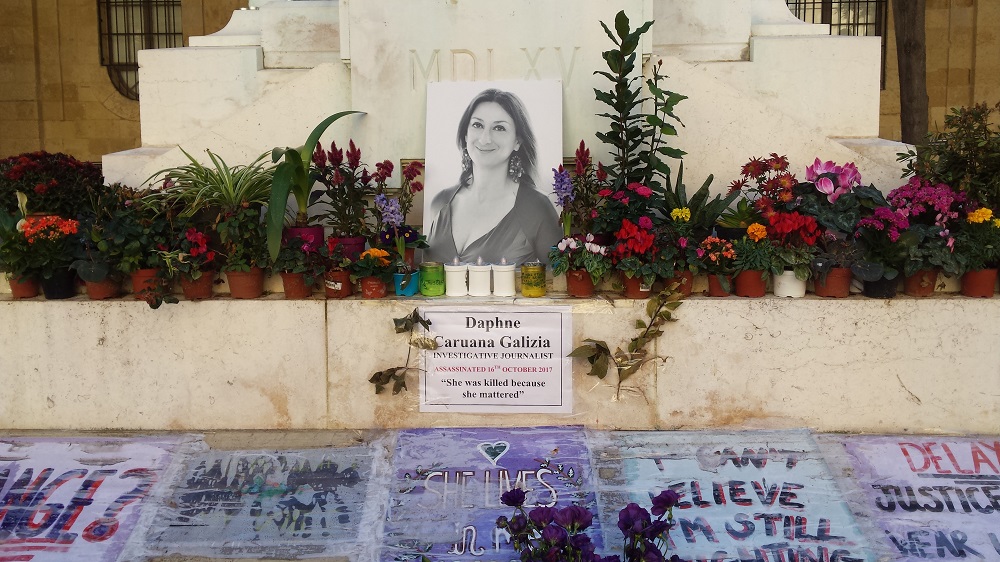
Council of Europe: 114 MPs demand further investigation of Daphne Caruana Galizia case

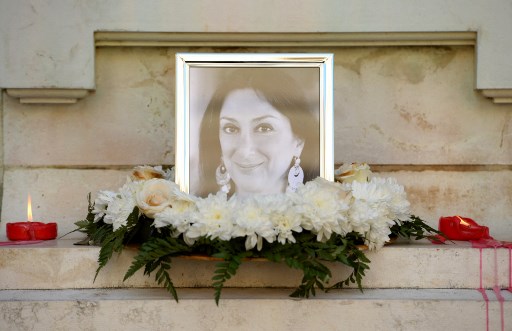
114 MPs from the Parliamentary Assembly of the Council of Europe (PACE) have signed a motion demanding an international monitoring on the investigation of the murder of Maltese journalist Daphne Caruana Galizia. The motion was signed at Strasbourg but has not yet been discussed in the Assembly. The signatures were collected in a single day, well surpassing the 20 signatures needed to submit a motion, with representation from all political groups. The motion was proposed by Dutch politician Pieter Omtzigt, and calls for an international approach to investigating the case of the murdered journalist. “The Parliamentary Assembly believes that the international community…

Daphne Caruana Galizia’s assassination: Demand for Close International Scrutiny

The European Federation of Journalists (EFJ) is pleased to be an official partner of the discussion “Assassination of Daphne Caruana Galizia – Demand for Close International Scrutiny”, held today in Strasbourg as a side event to the Parliamentary Assembly of the Council of Europe (PACE). Three months to the day after Daphne Caruana Galizia’s assassination, MPs Anne Brasseur (ALDE, Luxembourg), Pieter Omtzigt (EPP, Netherlands) and Frank Schwabe (SOC, Germany) announce an event to be held in her honour on the margins of the winter session of the Parliamentary Assembly of the Council of Europe today in Strasbourg. The cross-party group of MPs will host Daphne Caruana Galizia’s…

EFJ and ECPMF embark on fact-finding mission to the Baltics

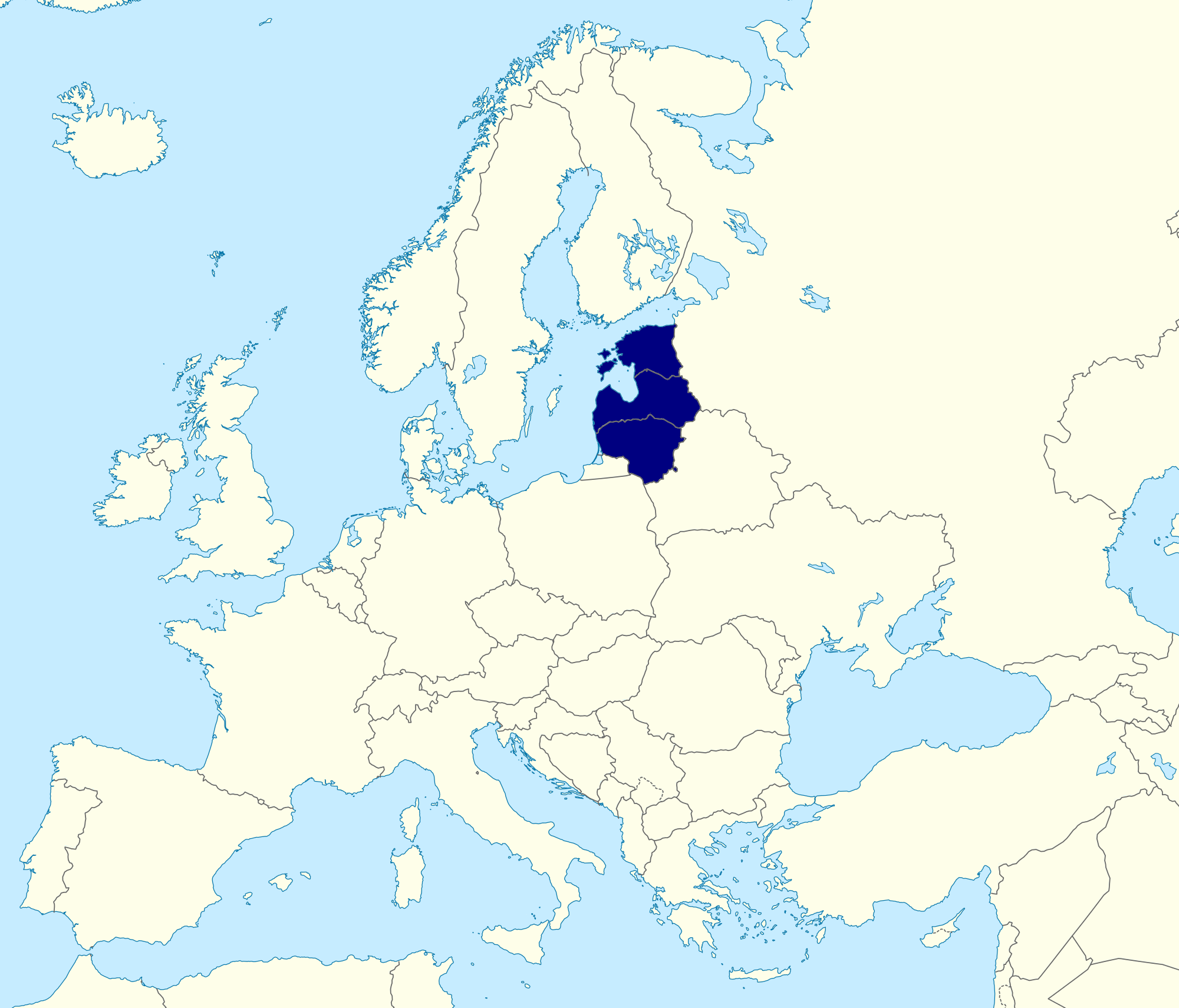
The European Federation of Journalists (EFJ), along with the European Centre for Press and Media Freedom (ECPMF) will embark on a Fact-Finding Mission to Estonia and Lithuania from 22 to 24 January 2018, in close cooperation with its affiliates, the Estonian Association of Journalists (EAJ), and the Lithuanian Journalists’ Union (LJU). The mission delegation will investigate the state of media freedom and journalists’ rights and working conditions in Estonia and Lithuania, meeting with journalists, government representatives, and public and private media organisations including Russian-speaking media and researchers. The issue of Russian “propaganda” and the need for ethical journalism, but also…

EFJ and Partner Organisations Urge Close International Scrutiny over Daphne Caruana Galizia’s Murder

The undersigned organisations, partners of the Council of Europe Platform for the Promotion of Journalism and the Protection of Journalists, are deeply concerned over the lack of progress in the investigation into the murder of Maltese journalist Daphne Caruana Galizia. The authorities have announced the arrests of three suspects in connection with her murder, but there remains a widespread belief that those who ordered this crime have not yet been identified. Daphne Caruana Galizia was murdered in a car bomb explosion on October 16, a few meters away from her home. Her death raised concerns not only about protection of…

Serbia: Fact-finding mission on media freedom and journalists’ rights

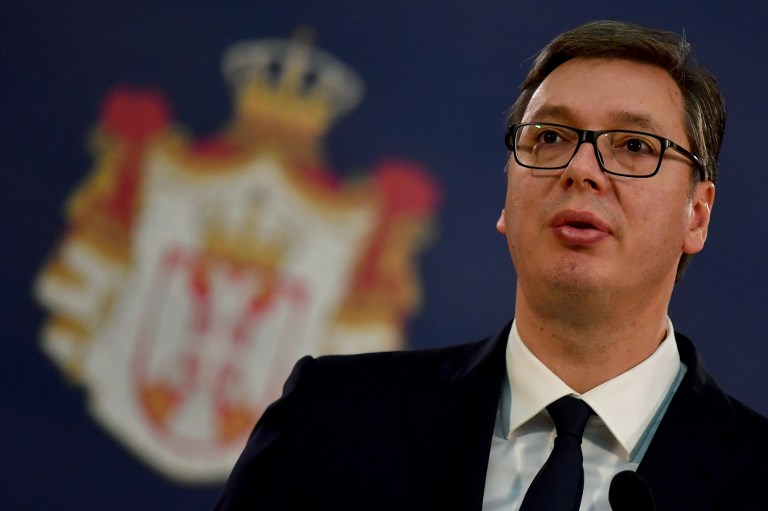
This morning, 18 January 2018, the joint Fact-Finding Mission to Serbia on media freedom and journalists’ rights commences by the European Federation of Journalists (EFJ) in cooperation with the South East Europe Media Organisation (SEEMO) and the International Press Institute (IPI) as well as the EFJ affiliates in Serbia: the Journalists’ Association of Serbia (UNS), the Independent Journalists’ Association of Serbia (NUNS), and the Journalists’ Union of Serbia (SINOS). The two-day mission will meet with government representatives including the President of Serbia Aleksandar Vucic, the Ministry of Culture’s State Secretary, the Assistant Minister for Information and Media and the state…

European Parliament debates the influence of Russian propaganda on EU countries

The European Parliament debated on 17 January 2018 the burning issue of the so-called “fake news” and Russian propaganda on EU countries. The debate focused on fake news stories coming from unidentified people and bots, as well as well as politically-driven news from outlets such as state-owned Russia Today and Sputnik. The next European elections to take place in 2019 are likely to be the next big target for Russian propaganda, MEPs have warned. During this plenary session in Strasbourg, Members of the European Parliament (MEPs) highlighted issues including the funding and staffing of actions against misinformation and the resilience of democracies…