European Federation of Journalists

openMedia, investigating press freedom

Title of the project : openMedia, investigating press freedom
Lead Applicant
: openDemocracy

Partner organisations : EFJ, Index on censorship, King’s College London

The recently launched openMedia project aims to investigate and expose commercial interference in editorial decisions. The project is run by openDemocracy with the European Federation of Journalists (EFJ) as a partner alongside the Index on Censorship and King’s College London.

The project believes that there has not been enough of a concerted, ongoing spotlight on the extent and effects of commercial influence over the media, despite the dangerous consequences it poses for press freedom. For now, the project focuses on 47 countries across Europe but also has ambitions to expand.

Despite the recent launch, the project is adamant that it is not a response to the “fake news” hype of the past year or so. Rather, the project responds to scandals of commercial sponsors influencing media content; for example the Daily Telegraph’s suppression of investigations into its advertiser HSBC; and allegations that Buzzfeed deleted articles which advertisers found unfavourable.

According to the project, this power dynamic can suppress investigations of banks, pharmaceuticals, agriculture, fossil fuel giants, energy companies and other big businesses.

In addition, the project recognizes how for many readers, “sponsored content” is difficult to distinguish from genuine news content. The project therefore aims to clarify the commercial interests apparent in media to readers, and as part of the project, King’s College London will develop digital tools to help readers be better informed about news sources.

The findings of the project will be used to campaign for greater transparency and press freedom in news organisations and to empower journalists to advocate for transparency.

In order to do this, openMedia is currently conducting a confidential and anonymous survey of journalists across Europe, asking about their own working practices and experiences of commercial pressure inside newsrooms. The survey is available in English here and in many other languages here.

Actions

Germany: Repeal NetzDG bill, deletion is not the answer

The German journalists’ association and affiliate of the European Federation of Journalists (EFJ), Deutscher Journalisten-Verband (DJV), has called on the members of the German Bundestag to abolish the Network Enforcement Act (NetzDG) as soon as possible. DJV federal chairman, Frank Uberall, said that “the censorship of the satirical magazine Titanic, by Twitter, has confirmed our fears that we have already put forward in the legislative process. The NetzDG pushes the power over the fundamental right of freedom of the press and freedom of private companies such as Twitter and Facebook. There is no sound legal consideration of the deletion of…

HesaMag #16: working conditions and fake news in the digital era

After an issue on the precarious working conditions of journalists, HesaMag, a magazine produced by the European Trade Union Institute (ETUI) about health and safety at work, just released its 16th edition entitled “The future of work in the digital era“. The magazine’s special report investigates the impact of technologies on working conditions and environments in the industry sector, as well as in the intellectual professions. A story on the fake news industry in Macedonia shows how young people, with no prospects of finding a decently paid job, manage to earn a few hundred euros by working around the clock. Working conditions…

Global survey on media ethics highlights fake news, low pay and spin

The Centre for International Media Ethics (CIME) has published the results of its survey on ‘Media Ethics in the Post-Truth Era’. The survey, with responses from Africa, the Americas, Central and South Asia, Europe and Oceania, aimed to learn from media professionals about the state of media ethics in their countries. According to participants, the top issues faced at work for journalists around the world were fake news, low pay, the pressure to attract the largest audience and political or corporate spin. Despite these issues, over half of respondents said that their government’s responses to protecting media ethics rate between…

Google to finance development of Union project in Finland

This news was originally published on heikkijokinen.info. Cooperative Mediakunta received 50,000 euro from the Google fund to develop its business model for the billing work for freelance journalists and media professionals. The Union of Journalists in Finland set up the cooperative Mediakunta in January 2017 to help its members who are working on a gig-basis. The cooperative takes care of billing, pays taxes and other statutory contributions. The idea was to allow Union members to fully focus on what they do best, journalism and media work. So far some 150 Union members have joined the cooperative. Among them are both…

Let independent journalism thrive

European institutions continuously emphasize that independent journalism and free media are fundamental pillars for our European democracy. Thanks for that, but it is not only words that are needed but also more political will, not only from institutions such as the Council of Europe and the EU, but also firmly and unconditionally from national leaders. We want to hear from the highest authorities that independent journalism must thrive. Strong support from all parties is a prerequisite for the safety of journalists and for fighting impunity, fighting “fake news”, developing mechanisms to defend journalists’ rights, including authors’ rights, and for improving…

5 media professionals killed in Europe in 2017

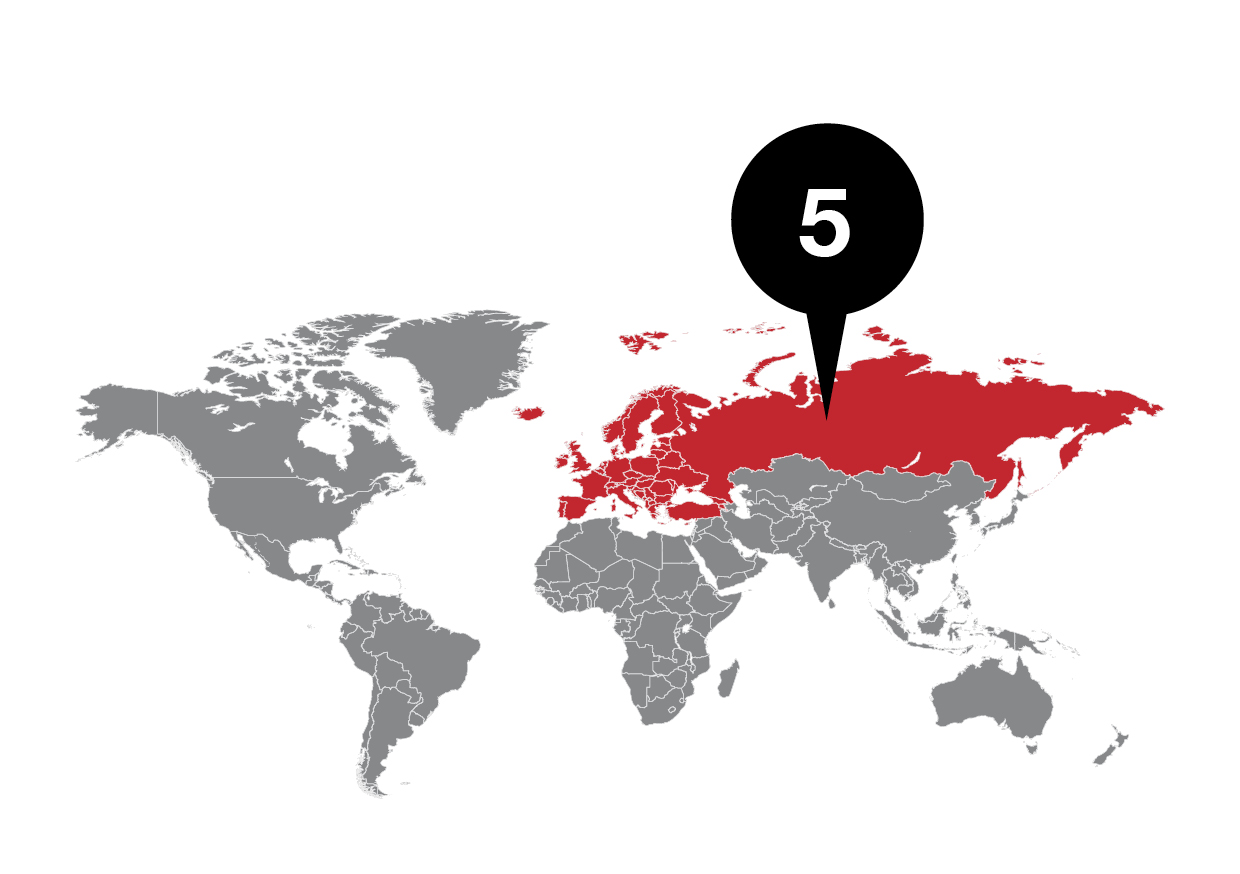
80 journalists have been killed worldwide this year, including 5 in Europe, according to the International Federation of Journalists’ (IFJ) Killed List, published today. The list details the journalists and media staff killed in targeted killings, car bomb attacks and cross fire incidents around the world during 2017. Denmark: Kim Wall The Swedish freelance journalist Kim Wall was killed in Denmark in August this year. The journalist had boarded a civilian submarine with its inventor, Peter Madsen, and was researching for a feature about him and the vessel which he had built from crowdfunding. Kim Wall’s body parts were later found…