European Federation of Journalists

openMedia, investigating press freedom

Title of the project : openMedia, investigating press freedom
Lead Applicant
: openDemocracy

Partner organisations : EFJ, Index on censorship, King’s College London

The recently launched openMedia project aims to investigate and expose commercial interference in editorial decisions. The project is run by openDemocracy with the European Federation of Journalists (EFJ) as a partner alongside the Index on Censorship and King’s College London.

The project believes that there has not been enough of a concerted, ongoing spotlight on the extent and effects of commercial influence over the media, despite the dangerous consequences it poses for press freedom. For now, the project focuses on 47 countries across Europe but also has ambitions to expand.

Despite the recent launch, the project is adamant that it is not a response to the “fake news” hype of the past year or so. Rather, the project responds to scandals of commercial sponsors influencing media content; for example the Daily Telegraph’s suppression of investigations into its advertiser HSBC; and allegations that Buzzfeed deleted articles which advertisers found unfavourable.

According to the project, this power dynamic can suppress investigations of banks, pharmaceuticals, agriculture, fossil fuel giants, energy companies and other big businesses.

In addition, the project recognizes how for many readers, “sponsored content” is difficult to distinguish from genuine news content. The project therefore aims to clarify the commercial interests apparent in media to readers, and as part of the project, King’s College London will develop digital tools to help readers be better informed about news sources.

The findings of the project will be used to campaign for greater transparency and press freedom in news organisations and to empower journalists to advocate for transparency.

In order to do this, openMedia is currently conducting a confidential and anonymous survey of journalists across Europe, asking about their own working practices and experiences of commercial pressure inside newsrooms. The survey is available in English here and in many other languages here.
Actions

Council of Europe Culture Committee asks governments to strenghten the status of journalists

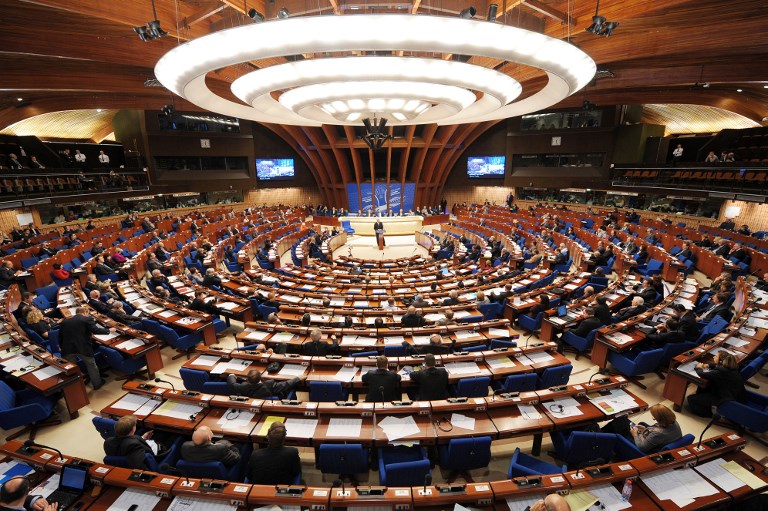
The Culture Committee of the Parliamentary Assembly of the Council of Europe (PACE) has adopted a draft resolution asking European governments to do more to protect media professionals, revising laws if necessary, as they state that media freedom is a “key prerequisite for the existence and development of a democratic society”. At a meeting in Bucharest on 4 December 2017, PACE Committee recognised the precarious nature of the current journalism profession, and the threats to journalistic values and freedoms. In response, PACE Committee unanimously adopted the draft resolution, asking governments of member states to assume their obligation to protect media professionals, to…

BBC and The Guardian taken to court over Paradise Papers

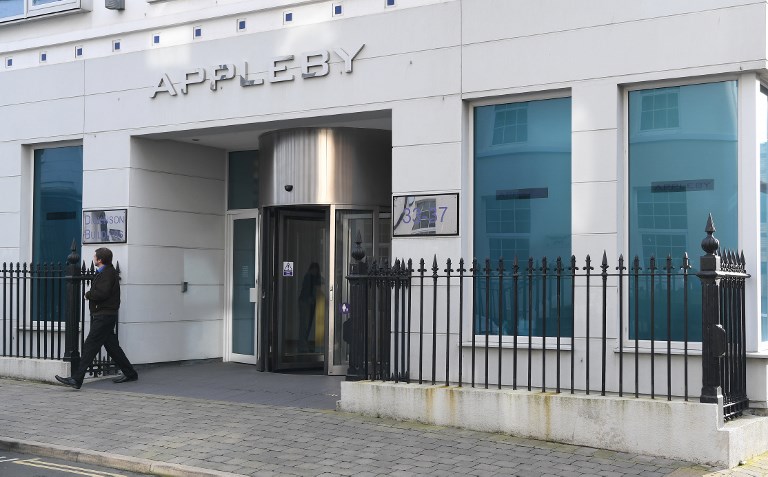
Following the release of Paradise Papers, offshore company Appleby has taken legal action against two British news organisations, the BBC and The Guardian. The BBC and The Guardian are two out of 94 news organisations that reported on the controversial Paradise Papers, a leak of financial documents that showed how hundreds of politicians, multinationals, celebrities and individuals with a high net worth use complex structures to avoid paying higher taxes. Appleby has since initiated breach of confidentiality proceedings against the two British news organisations. The law firm is seeking damages for the disclosure of what it says are confidential legal…

Temporary refuge for European journalists at risk

The ECPMF’s Journalists-in-Residence programme is designed to host journalists from across geographical Europe who face harrassment and intimidation in their home country. It provides a temporary refuge, a safe place to rest and to continue ones work and — if so desired by those being hosted — a platform to highlight threats to media freedom back home. The ECPMF has just released a new call for applications for journalists based in the EU28 and candidate countries. Key info at a glance: Eligible to apply are journalists living in an EU28 or candidate country Two timeslots to choose from: February to…

Omar Aourtilane Prize in solidarity with journalists in Turkey

The Algerian Arabic-language daily El Khabar has decided to award this year its prestigious Omar Aourtilane International Prize for Press Freedom to the Journalists Union of Turkey (TGS, an EFJ-IFJ affiliate) in solidarity with imprisoned and prosecuted journalists in Turkey for their journalistic activities. The eighteenth edition of the ceremony was held in Algiers on December 7, 2017 at the headquarters of the KBC television channel, owned by the Algerian private group El Khabar, in the presence of journalist Zoubir Souissi who chaired the jury assisted by journalist Kaddour Hamlaoui (France 3) and Zakia Aourtilane , Secretary General of this prize. “The…

openMedia: exposing commercial influence on news media

The recently launched openMedia project aims to investigate and expose commercial interference in editorial decisions. The project is run by openDemocracy with the European Federation of Journalists (EFJ) as a partner alongside the Index on Censorship and King’s College London. The project believes that there has not been enough of a concerted, ongoing spotlight on the extent and effects of commercial influence over the media, despite the dangerous consequences it poses for press freedom. For now, the project focuses on 47 countries across Europe but also has ambitions to expand. Despite the recent launch, the project is adamant that it…

European Court: holiday pay for freelancers and bogus self-employed

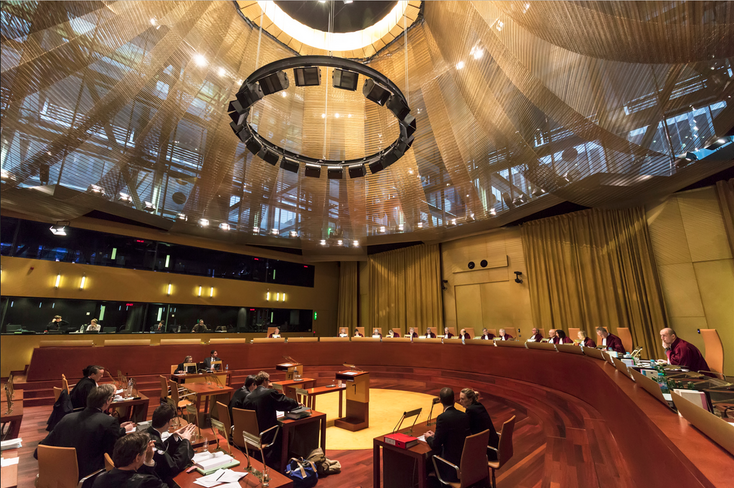
On 29 November 2017, the European Court of Justice ruled in favour of paid annual leave for self-employed and bogus self-employed workers. Now, anyone who has been bogus self-employed can demand additional payment for annual leave. Article 7 of Directive 2003/88/EC of the European Parliament and Council of 4 November, 2003, provides 4 weeks of paid annual leave for every worker, and the European Court has said that this must not be thwarted by employers. The case came to the European Court after a British case in which Mr King, retiring after 13 years of employment, sought to recover payment…