European Federation of Journalists

openMedia, investigating press freedom

Title of the project : openMedia, investigating press freedom
Lead Applicant
: openDemocracy

Partner organisations : EFJ, Index on censorship, King’s College London

The recently launched openMedia project aims to investigate and expose commercial interference in editorial decisions. The project is run by openDemocracy with the European Federation of Journalists (EFJ) as a partner alongside the Index on Censorship and King’s College London.

The project believes that there has not been enough of a concerted, ongoing spotlight on the extent and effects of commercial influence over the media, despite the dangerous consequences it poses for press freedom. For now, the project focuses on 47 countries across Europe but also has ambitions to expand.

Despite the recent launch, the project is adamant that it is not a response to the “fake news” hype of the past year or so. Rather, the project responds to scandals of commercial sponsors influencing media content; for example the Daily Telegraph’s suppression of investigations into its advertiser HSBC; and allegations that Buzzfeed deleted articles which advertisers found unfavourable.

According to the project, this power dynamic can suppress investigations of banks, pharmaceuticals, agriculture, fossil fuel giants, energy companies and other big businesses.

In addition, the project recognizes how for many readers, “sponsored content” is difficult to distinguish from genuine news content. The project therefore aims to clarify the commercial interests apparent in media to readers, and as part of the project, King’s College London will develop digital tools to help readers be better informed about news sources.

The findings of the project will be used to campaign for greater transparency and press freedom in news organisations and to empower journalists to advocate for transparency.

In order to do this, openMedia is currently conducting a confidential and anonymous survey of journalists across Europe, asking about their own working practices and experiences of commercial pressure inside newsrooms. The survey is available in English here and in many other languages here.
Actions

Germany: IFJ/EFJ expresses condolences following death of dju in ver.di leader

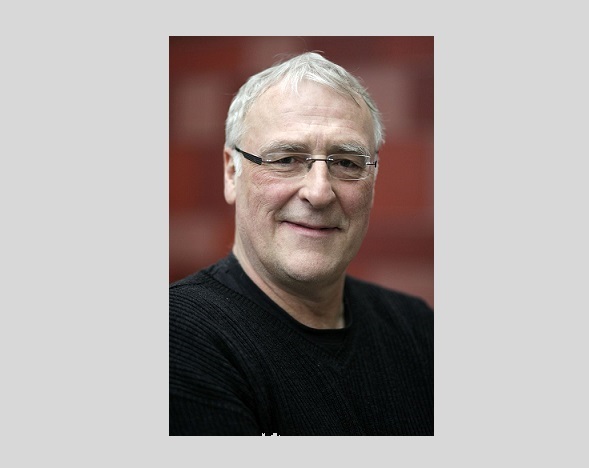
The International and European Federations of Journalists (IFJ and EFJ) express their deepest condolences to their German affiliate dju in ver.di. after the death of its Chairman Ulrich Janßen who died at the age of 61 on March 31 following a serious illness. Ulrich Janßen was a committed fighter for the social and professional rights  of journalists. He was an excellent trade union leader and a committed works council representative. As Chairman of the works council of the Nordwest-Zeitung publishing house in Oldenburg , Ulrich Janßen supported and inspired his colleagues. He had been involved in trade union activities since…

The use of social media for news is growing, says report on digital news

People are more and more relying on social media for news – This is the trend highlighted in the 2016 annual report on digital news published by the Reuters Institute for the study of journalism, although traditional media outlets are still considered as valuable and trusted brands. The study also suggests that the impact on publishers’ revenues has to be addressed. The use of platforms, social networks and mobiles should be combined with sustainable business models. The growth of social media The digital news report 2016 confirms what many studies highlighted before: television news and online news are the most…

How media are fighting fake news and disinformation?

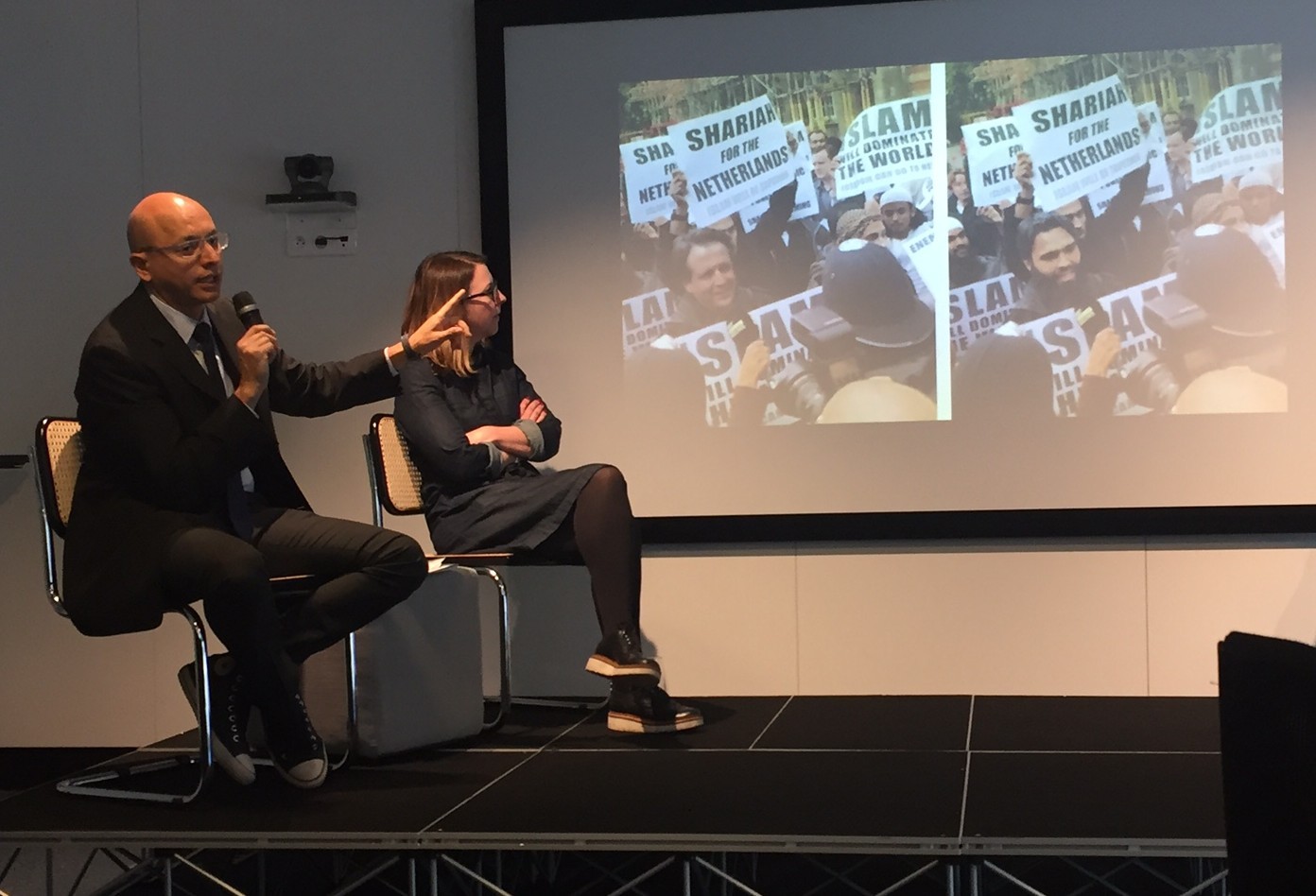
The European Broadcasting Union (EBU) in collaboration with the European Federation of Journalists (EFJ) organised today (29/03/2017) a media lunchtime debate on How is Europe’s Media fighting fake news and disinformation. Ricardo Gutiérrez, EFJ General Secretary, acting as the moderator of the debate, stated the importance of media literary on this issue. “Fake news are not a bad news for journalists. It shows we need them more than ever before”, he said after sharing the latest report on fake news published by Reuters Institute. My message at @EBU_HQ @EFJEUROPE conf: Fake news are not a bad news for journalists. Need them more than ever…

Alarming : at least 19 new attacks against journalists in Macedonia since 2016

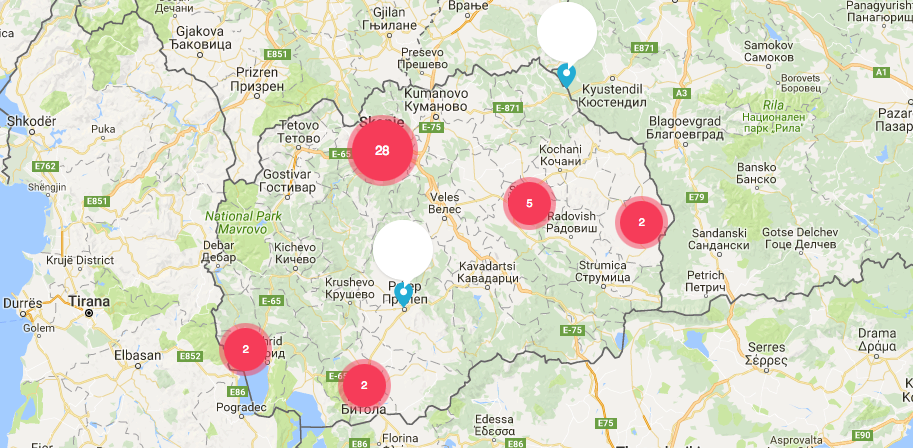
The European Federation of Journalists (EFJ), the largest organisation of journalists in Europe representing over 320,000 journalists in 71 journalists’ organisations across 43 countries, has received today (24/03/2017) an alarming letter from the WB Regional platform for advocating media freedom and journalists’ safety expressing “deepest concerns at the unprecedented attacks on journalists in the Republic of Macedonia”. Based on the fact reported by the Regional platform mentioning at least 19 new attacks against journalists since the beginning of 2016, the EFJ is calling Macedonian authorities to take concrete actions to prevent further attacks against journalists and media workers active in the country and…

Russia: 13 journalists detained, more beaten during protests

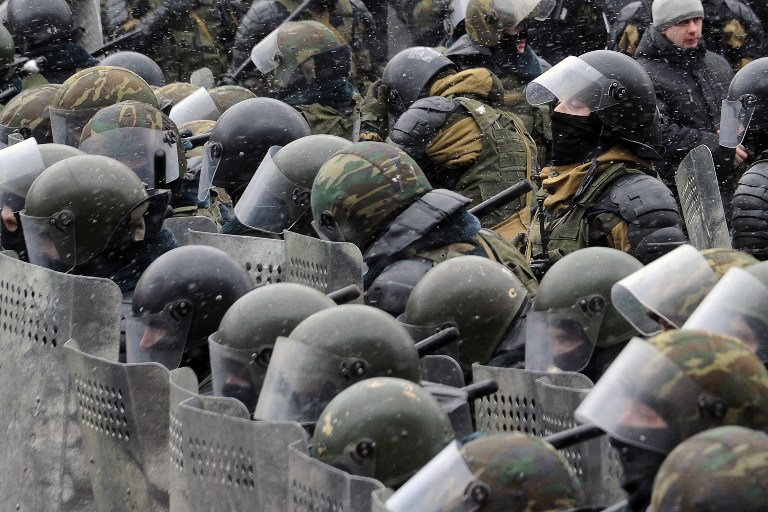
The International and European Federation of Journalists (IFJ and EFJ) have today condemned the detention of at least 13 international and local journalists by Russian authorities during nationwide anti-corruption protests on 26 March. The demonstrations were not officially authorised in many Russian cities including Moscow and Saint-Petersburg which led to the detention of hundreds of people. Six journalists – among them two international correspondents – were detained in the capital Moscow, three in Saint-Petersburg and four more in other Russian cities. Reports added that the police also threatened and hit some reporters to prevent them from covering the demonstrations. Journalist…

Mass detentions of journalists in Belarus

Update (28.03.2017): Aliaksandr Barazenka, Belsat cameraman, who was sentenced to 15 days in jail yesterday, announced a hunger strike. On March 25 he was detained by the police, while covering the protests in Minsk. Despite repeating several times during the detention that he is a journalist, he was charged with “minor hooliganism”. More journalists were prosecuted in Belarus today: Dzianis Ivashyn was sentenced to 5 days in jail, Kanstantsin Mardzvintsau to 15 days in jail, Syarjuk Kijko to 12 days in jail and Viktar Stukau was fined. In Belarus, since Friday March 24, 2017 the law enforcement agencies detained 55 (totally…