European Federation of Journalists

openMedia, investigating press freedom

Title of the project : openMedia, investigating press freedom
Lead Applicant
: openDemocracy

Partner organisations : EFJ, Index on censorship, King’s College London

The recently launched openMedia project aims to investigate and expose commercial interference in editorial decisions. The project is run by openDemocracy with the European Federation of Journalists (EFJ) as a partner alongside the Index on Censorship and King’s College London.

The project believes that there has not been enough of a concerted, ongoing spotlight on the extent and effects of commercial influence over the media, despite the dangerous consequences it poses for press freedom. For now, the project focuses on 47 countries across Europe but also has ambitions to expand.

Despite the recent launch, the project is adamant that it is not a response to the “fake news” hype of the past year or so. Rather, the project responds to scandals of commercial sponsors influencing media content; for example the Daily Telegraph’s suppression of investigations into its advertiser HSBC; and allegations that Buzzfeed deleted articles which advertisers found unfavourable.

According to the project, this power dynamic can suppress investigations of banks, pharmaceuticals, agriculture, fossil fuel giants, energy companies and other big businesses.

In addition, the project recognizes how for many readers, “sponsored content” is difficult to distinguish from genuine news content. The project therefore aims to clarify the commercial interests apparent in media to readers, and as part of the project, King’s College London will develop digital tools to help readers be better informed about news sources.

The findings of the project will be used to campaign for greater transparency and press freedom in news organisations and to empower journalists to advocate for transparency.

In order to do this, openMedia is currently conducting a confidential and anonymous survey of journalists across Europe, asking about their own working practices and experiences of commercial pressure inside newsrooms. The survey is available in English here and in many other languages here.

Actions

UNHRC: 70 NGOs on the continuous deterioration of media freedom in Turkey

The European Federation of Journalists (EFJ) has joined the oral statement delivered today (15/03/2017) by PEN International at the UN Human Rights Council in Geneva to demand the immediate release all those held in prison for exercising their rights to freedom of opinion and expression and to end the prosecutions and detention of journalists simply on the basis of the content of their journalism or alleged affiliations The full statement says : JOINT ORAL STATEMENT ON THE DETERIORATION OF FREEDOM OF EXPRESSION AND MEDIA FREEDOM IN TURKEY UN Human Rights Council 34th Special Session Item 4: Human rights situations that…

Norwegian journalist denied entry in Russia

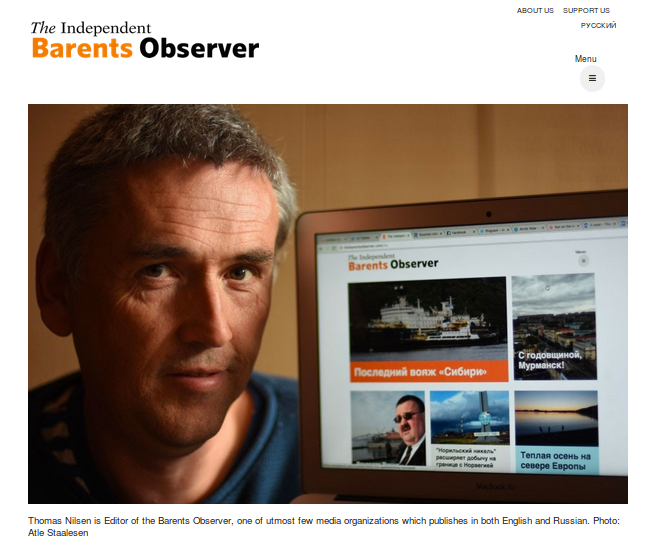
Barents Observer Editor Thomas Nilsen was on business trip with a delegation from the Danish Parliament´s Committee of Foreign Affairs, on 8 March 2017, when he learned that he can’t enter Russia, despite having a valid visa. When Nilsen arrived in Borisoglebsk, the cross-border point between Russia and Norway, he was told by FSB border guards that he is not allowed to enter due to security reasons. Barents Observer quoted Nilsen describing the incident: “I was told it was necessary to deny me access to Russia for the purpose of state security. The officers could not elaborate further and it was…

International support for the strike of workers at Il Sole 24 Ore newspaper

The European and International Federation of Journalists (EFJ-IFJ) have backed calls by striking workers at one of Italy’s top financial newspapers for the editor to resign. The EFJ-IFJ joined its affiliate, the Federazione Nazionale della Stampa Italiana (FNSI), in supporting the stoppage by Il Sole 24 Ore workers which started today. The strike, backed in a vote on Friday by 90% of union members, is demanding the resignation of the paper’s editor, Roberto Napoletano, following a police raid on the paper’s headquarters and claims senior managers, including Napoletano, issued false statements about the company’s position. Reports said that Napoletano and two former…

Belarus: police interfere with journalists work during protests

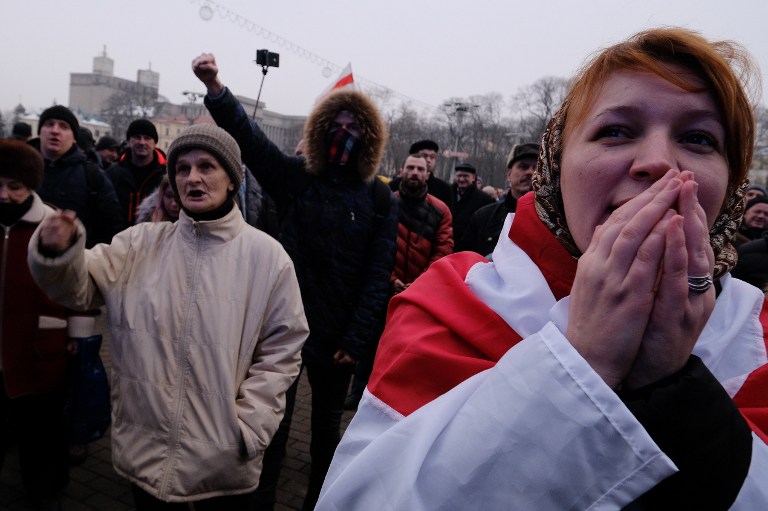
UPDATE (14.03.2017): The Belarusian Association of Journalists protests detentions of 18 journalists and obstruction of their professional activities by law enforcement forces. The BAJ believes that the court ruling on March 13, where journalists Halina Abakunchyk and K. Bakhvalava were found administratively liable, is unlawful and illegitimate. On March 12, protests were planned in three Belarusian cities – Babruysk, Orsha and Rahachou due to the unemployment tax, which will force people to pay approximately $200 if they are unemployed for more than six months per year. Law enforcement agencies unfolded a large-scale operation to prevent journalists from covering the events. The…

Apply now to the workshop “Reporting Refugees, Migrants, Ethnicity” – Croatia, 26-27 May

In the framework of the project “Media Against Hate”, the European Federation of Journalists (EFJ) will organise together with the Croatian Journalists’ Association (CJA) a workshop on “Reporting Refugees, Migrants, Ethnicity” on 26-27 May 2017 in Zagreb, Croatia. The training will gather 25 journalists from the European Union reporting topics concerning refugees, migrants and ethnicity. The training aims to exchange best practices and guidelines promoting ethical journalism on these issues. A regional outlook will also focus on challenges for hate speech in Croatia. Please find enclosed the invitation letter with all the practical details as well as the draft programme.…

Regional Platform call for termination of attacks against Macedonian journalists

Regional Platform for Advocating Media Freedom and Journalists’ Safety wants to express its solidarity and support to journalists and media workers in Macedonia faced with constant pressures, including physical attacks and death threats. We are especially concerned by the fact that coordinated attacks involve public officers and representatives of state institutions. In last four years in Macedonia there were 44 attacks against journalists, 19 of them last year. “The European Court for Human Rights in Strasbourg confirmed violations of freedom of expression in Macedonia, but local institutions did not punish any of attackers against journalists”, says Naser Selmani, president of…