European Federation of Journalists

openMedia, investigating press freedom

Title of the project : openMedia, investigating press freedom
Lead Applicant
: openDemocracy

Partner organisations : EFJ, Index on censorship, King’s College London

The recently launched openMedia project aims to investigate and expose commercial interference in editorial decisions. The project is run by openDemocracy with the European Federation of Journalists (EFJ) as a partner alongside the Index on Censorship and King’s College London.

The project believes that there has not been enough of a concerted, ongoing spotlight on the extent and effects of commercial influence over the media, despite the dangerous consequences it poses for press freedom. For now, the project focuses on 47 countries across Europe but also has ambitions to expand.

Despite the recent launch, the project is adamant that it is not a response to the “fake news” hype of the past year or so. Rather, the project responds to scandals of commercial sponsors influencing media content; for example the Daily Telegraph’s suppression of investigations into its advertiser HSBC; and allegations that Buzzfeed deleted articles which advertisers found unfavourable.

According to the project, this power dynamic can suppress investigations of banks, pharmaceuticals, agriculture, fossil fuel giants, energy companies and other big businesses.

In addition, the project recognizes how for many readers, “sponsored content” is difficult to distinguish from genuine news content. The project therefore aims to clarify the commercial interests apparent in media to readers, and as part of the project, King’s College London will develop digital tools to help readers be better informed about news sources.

The findings of the project will be used to campaign for greater transparency and press freedom in news organisations and to empower journalists to advocate for transparency.

In order to do this, openMedia is currently conducting a confidential and anonymous survey of journalists across Europe, asking about their own working practices and experiences of commercial pressure inside newsrooms. The survey is available in English here and in many other languages here.

Actions

Launch of a new project to advance gender equality in media industries

A multidisciplinary European consortium comprising the Universities of Newcastle (UK), Padova (Italy) and Gothenburg (Sweden), the European Federation of Journalists (EFJ) and the Permanent Conference of the Mediterranean Audiovisual Operators (COPEAM) has just been awarded a grant by the European Commission’s Directorate –General for Justice and Consumers to develop an action project to advance gender equality in media industries. The project will bring journalism, media and communication students together with media professionals so as to foster a gender equality perspective within both journalism and media education and professional journalism practice, and bridge the transition between education and employment. The project…

How to deal with fake news? Debate in European Parliament

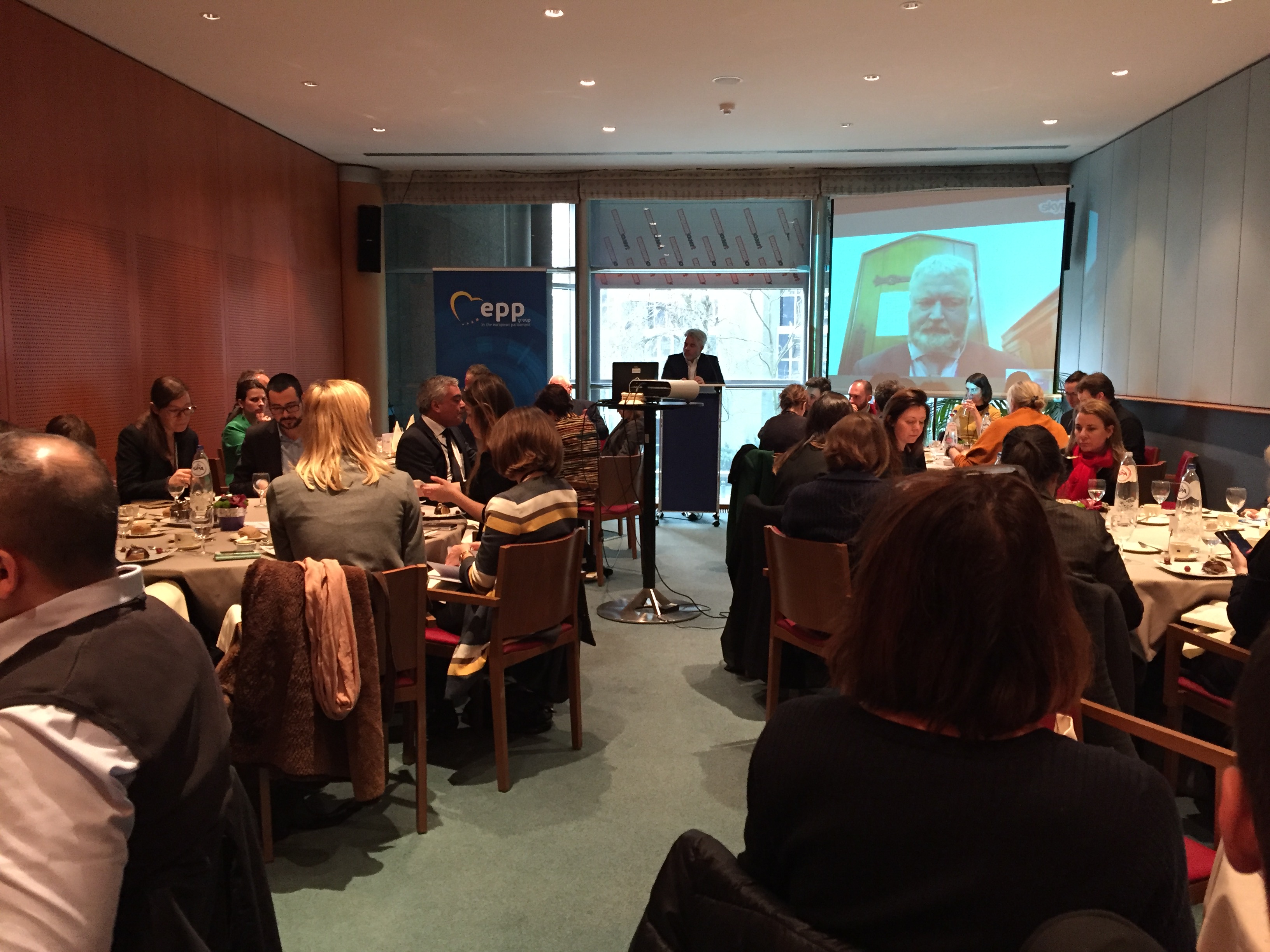
MEP Michal Boni (EPP, Poland) together with The Guardian Media Group launched a discussion ”News: fact or fake?” on March 7 in the European Parliament. During the meeting experts, moderated by a senior editor from the Guardian – Dan Roberts, discussed how the new technologies change the business model of news reporting and how the fake news and filter bubbles do impact  democracy. Michal Boni stated at the beginning of the meeting that it is important to understand how to react to fake news. He explained: “We don’t need censorship tools, instead we need to promote the better understanding of fake…

Declaration of March 2017 joint mission to Turkey

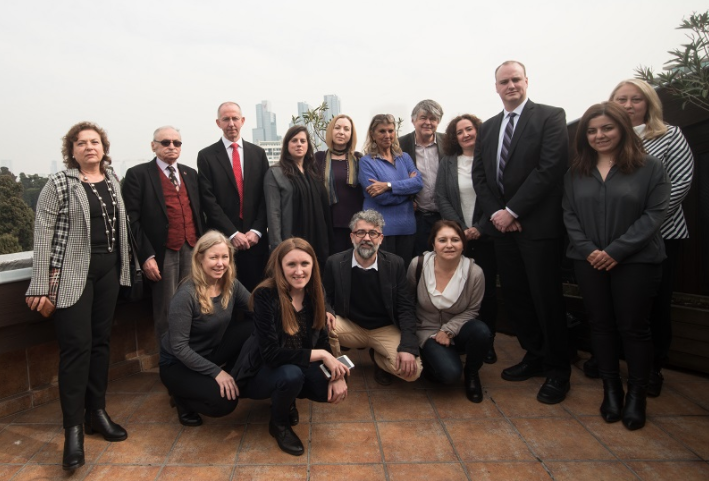
Türkçe Following an international press freedom mission to Turkey on 7 February to 2 March 2017, the undersigned participants, representing six international free expression watchdog organisations, express severe concern about media freedom and respect for human rights and warn that the country’s democracy is under threat. The mission came in response to an ongoing purge by Turkey’s government in the wake of a failed 15 July 2016 coup attempt that traumatized the country. Hundreds of thousands have been dismissed from jobs or detained under wide-ranging emergency powers granted after the coup attempt. This includes some 155 journalists and media workers…

Ukraine: about 100 jobs at risk following revocation of Radio Vesti’s licenses

The National Council for Television and Radio Broadcasting of Ukraine revoked license of the Ukrainian broadcasting company “Radio Vesti” in Kharkiv city. The council also refused to extend the radio’s license in the capital, Kyiv. Radio Vesti, the largest national professional radio channel in the country, insists they sent the required documents on time in order to renew the licenses, which expired in February. Despite this, the National Council decided to revoke the licenses out of concerns that the ultimate beneficiary of the station was the former Minister of Revenue and Fees, Oleksandr Klymenko. Reports said that as a result,…

CoE Secretary General Jagland warns Turkey on journalists rights violations

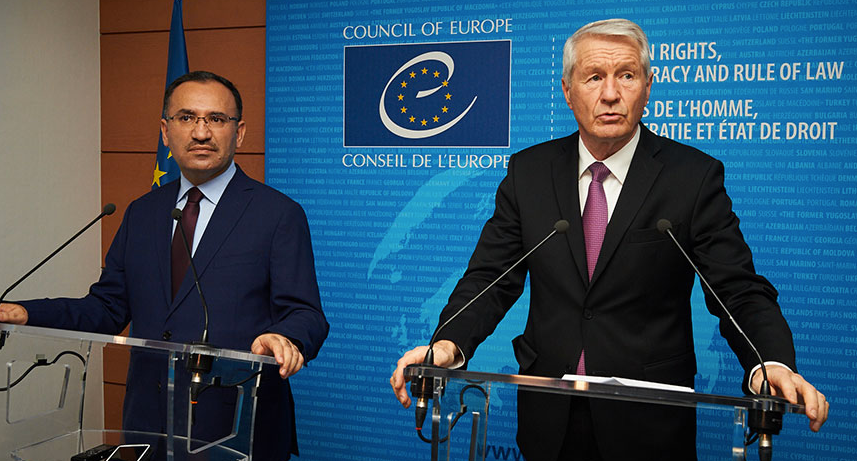
Following the visit of Turkish Justice Minister Bekir Bozdağ in Strasbourg, the Council of Europe (CoE) Secretary General Thorbjørn Jagland published a harsh press statement warning the member state on severe violations of journalists and parliamentarians rights. “It is imperative for Turkey and Europe that the judicial safeguards for all those who have been dismissed or are in prison are based on the European Convention on Human Rights (ECHR) and on the case law of the European Court of Human Rights”, said the Secretary General. Making specifically reference to “the cases of journalists and parliamentarians that are in pre-trial detention”…

Macedonia: journalists attacked during protest

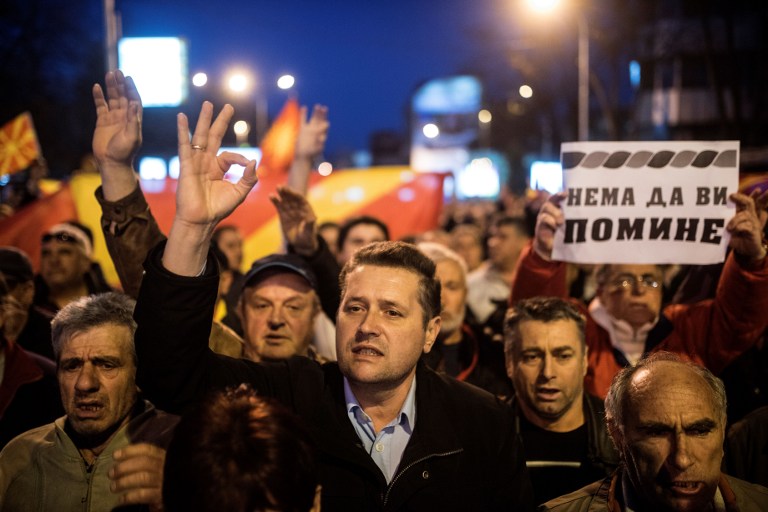
UPDATE (14.03.2017): Another attack against journalists happened on March 11 in Skopje. TV 24 crew was at first verbally abused and then one of their journalists Hristijan Banevski was hit in the head with a stick, during the protest “For a Unified Macedonia”. UPDATE (06.03.2017): Two more attacks against journalists took place in Macedonia after the TV crew was beaten during the protest. On March 1 Branko Trickovski was verbally abused by two young men near his home. The retired journalist is famous for his criticism of VMRO-DPMNE party. One of the attackers shouted at Trickovski and called him a traitor,…