European Federation of Journalists

openMedia, investigating press freedom

Title of the project : openMedia, investigating press freedom
Lead Applicant
: openDemocracy

Partner organisations : EFJ, Index on censorship, King’s College London

The recently launched openMedia project aims to investigate and expose commercial interference in editorial decisions. The project is run by openDemocracy with the European Federation of Journalists (EFJ) as a partner alongside the Index on Censorship and King’s College London.

The project believes that there has not been enough of a concerted, ongoing spotlight on the extent and effects of commercial influence over the media, despite the dangerous consequences it poses for press freedom. For now, the project focuses on 47 countries across Europe but also has ambitions to expand.

Despite the recent launch, the project is adamant that it is not a response to the “fake news” hype of the past year or so. Rather, the project responds to scandals of commercial sponsors influencing media content; for example the Daily Telegraph’s suppression of investigations into its advertiser HSBC; and allegations that Buzzfeed deleted articles which advertisers found unfavourable.

According to the project, this power dynamic can suppress investigations of banks, pharmaceuticals, agriculture, fossil fuel giants, energy companies and other big businesses.

In addition, the project recognizes how for many readers, “sponsored content” is difficult to distinguish from genuine news content. The project therefore aims to clarify the commercial interests apparent in media to readers, and as part of the project, King’s College London will develop digital tools to help readers be better informed about news sources.

The findings of the project will be used to campaign for greater transparency and press freedom in news organisations and to empower journalists to advocate for transparency.

In order to do this, openMedia is currently conducting a confidential and anonymous survey of journalists across Europe, asking about their own working practices and experiences of commercial pressure inside newsrooms. The survey is available in English here and in many other languages here.

Actions

EFJ Survey: how do online journalists work?

How do journalists work in digital media?? The EFJ asks this  question in a European-wide survey drafted by its Expert Group on Digital Media. The EFJ hopes to get a better overview about the working conditions of  “digital journalists” in EU member states and beyond.  How different are contracts, salaries and fees for online journalists? How is work satisfaction? What needs to be improved and what role can the union play to enhance working conditions of journalists working in digital media? Responses to these and many other questions are expected from this survey geared at journalists working for digital media…

Censorship in Turkey: our letter to President Erdoğan

In a letter sent today to Turkey’s president Recep Tayyip Erdoğan, the European and International federations of journalists and the European and International Trade Union Confederations denounce current threats against press freedom in Turkey and increased censorship ahead of elections. The organisations call for urgent reforms to ensure that Turkey’s media is able to recover its position as an effective profession that is independent, pluralistic and in the service of the public interest. Since April 1, the IFJ and the EFJ reported 22 alerts on Turkey to the Council of Europe Platform to promote the protection of journalism and safety of…

Turkey’s journalists call for solidarity in struggle for their right to report

During a conference hosted by the Journalists Union of Turkey (TGS) and the Journalists Association of Turkey (TGC) leading journalists from across the political spectrum united in condemning the surge in attacks on press freedom led by the government in recent weeks. Participants recounted how, since the inconclusive June elections and the relaunch of the conflict with the PKK in July, journalists and media have come under sustained assault from the government and their supporters. Newspapers are regularly attacked by angry mobs, numerous websites of press agencies and trade unions are repeatedly blocked, foreign journalists are being deported, while many…

Croatian Journalists’ Association: Do not publish unverified information and hate speech

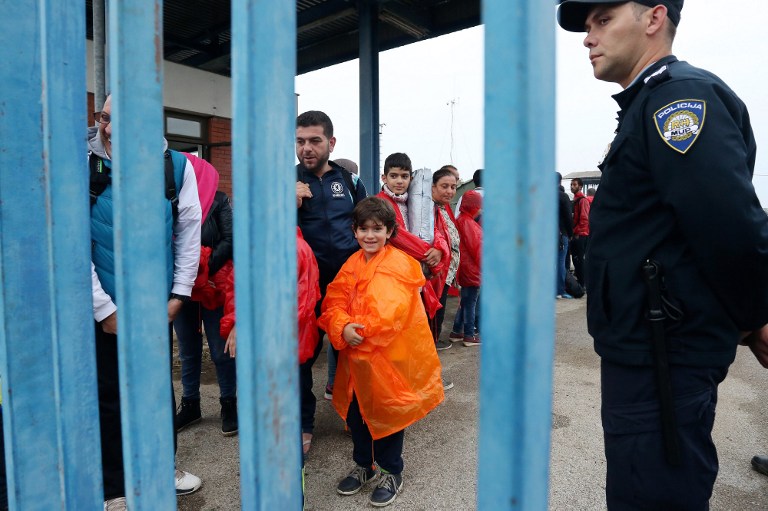
The Croatian Journalists’ Association (CJA) urges journalists and all other persons in charge in public and private media to be careful and professional when reporting about refugees entering Croatia. The CJA urges journalists to avoid hate speech and not to publish unverified information. The CJA also calls on editors of internet portals not to publish readers’ comments that might provoke intolerance, xenophobia and hate speech. We urge media to reveal any attempt of political actors, who want to use refugees for political and pre-election aspirations, and to explain and analyse the reasons of refugees for leaving their home countries and…

EFJ calls for action to tackle harassment of female journalists

“We must support our female colleagues, defend them and make their voices heard. Harassment and abuses targeting at female journalists shall not be tolerated,” said Mogens Blicher Bjerregård, the EFJ President after the OSCE meeting on online abuses of female journalists on 17 November in Vienna. The conference has gathered international experts in the field to help increase understanding and gravity of the issue  involved best practices and possible solutions to tackle the mounting number of online threats targeting female journalists. During the meeting, experts and journalists spoke about the gravity of the issue and called for urgent action to…

Journalists covering refugee crisis face police attack in Hungary

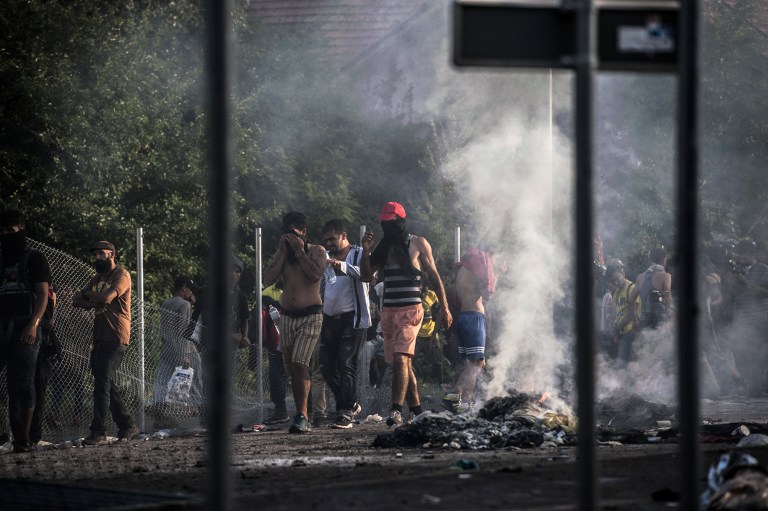
The European Federation of Journalists (EFJ) has denounced the latest attack and arrest of journalists who were reporting the refugee crisis on the border between Hungary and Serbia today. Six journalists were reportedly beaten  on Wednesday by Hungarian border police. According to local media reports, Warren Richardson, an Australian photographer, and Jacek Tacik, a Polish reporter together with a Slovakian journalist were accused of crossing the border between Hungary and Serbia illegally. They were beaten before they were arrested by the border police. The journalists had been working in the Serbian village of Horgoš and followed a group of refugees who entered…