European Federation of Journalists

openMedia, investigating press freedom

Title of the project : openMedia, investigating press freedom
Lead Applicant
: openDemocracy

Partner organisations : EFJ, Index on censorship, King’s College London

The recently launched openMedia project aims to investigate and expose commercial interference in editorial decisions. The project is run by openDemocracy with the European Federation of Journalists (EFJ) as a partner alongside the Index on Censorship and King’s College London.

The project believes that there has not been enough of a concerted, ongoing spotlight on the extent and effects of commercial influence over the media, despite the dangerous consequences it poses for press freedom. For now, the project focuses on 47 countries across Europe but also has ambitions to expand.

Despite the recent launch, the project is adamant that it is not a response to the “fake news” hype of the past year or so. Rather, the project responds to scandals of commercial sponsors influencing media content; for example the Daily Telegraph’s suppression of investigations into its advertiser HSBC; and allegations that Buzzfeed deleted articles which advertisers found unfavourable.

According to the project, this power dynamic can suppress investigations of banks, pharmaceuticals, agriculture, fossil fuel giants, energy companies and other big businesses.

In addition, the project recognizes how for many readers, “sponsored content” is difficult to distinguish from genuine news content. The project therefore aims to clarify the commercial interests apparent in media to readers, and as part of the project, King’s College London will develop digital tools to help readers be better informed about news sources.

The findings of the project will be used to campaign for greater transparency and press freedom in news organisations and to empower journalists to advocate for transparency.

In order to do this, openMedia is currently conducting a confidential and anonymous survey of journalists across Europe, asking about their own working practices and experiences of commercial pressure inside newsrooms. The survey is available in English here and in many other languages here.
Actions

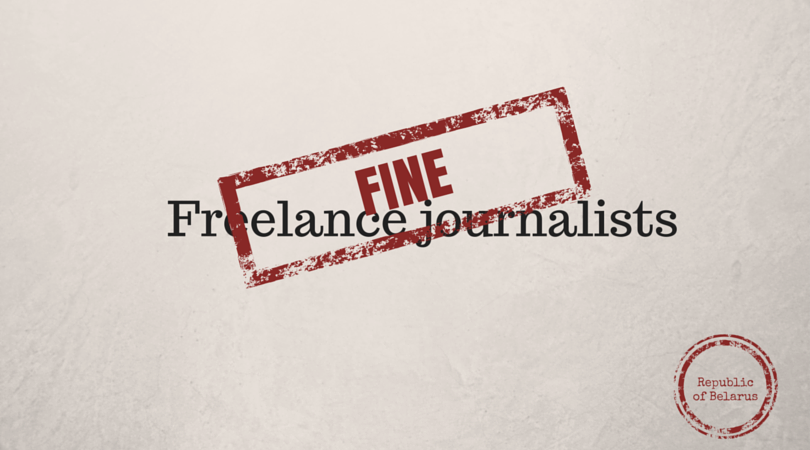
Belarus files 24 cases against freelance journalists in 2015

Working as freelance journalists can be considered as a crime in Belarus. Since the beginning of this year, the Belarusian authority has filed 24 cases (see infographic below) against freelance journalists imposing fines for their works. In all the cases, the journalists are accused of violating article 22.9 of the administrative code (unlawful production and distribution of mass media products). According to the Belarusian Association of Journalists (BAJ), an affiliate of the European Federation of Journalists (EFJ), the total sum of the fines imposed on journalists so far this year amounted to 117 million Belarusian rubles (over 6.000 EUR). The EFJ…

Growing concerns over the disappearance of three Spanish journalists in Syria

Alongside their Spanish affiliates, the Federation of Journalists Unions (FeSP), the Spanish Press Federations of Journalists Associations (FAPE) and Periodistas de CCOO (FSC-CCOO),  the International Federation of Journalists (IFJ) and its regional organisation, the European Federation of Journalists (EFJ), express their concern over the missing of three Spanish freelance journalists in the northern city of Aleppo, Syria. FAPE President Elsa Gonzalez told media that José Manuel López, Antonio Pampliega and Ángel Sastre entered Syria from Turkey on July 10 and were last heard from on July 12. The three journalists were reporting from the northwestern Aleppo region, a city divided between rebel…

UK High Court rules against data retention rules

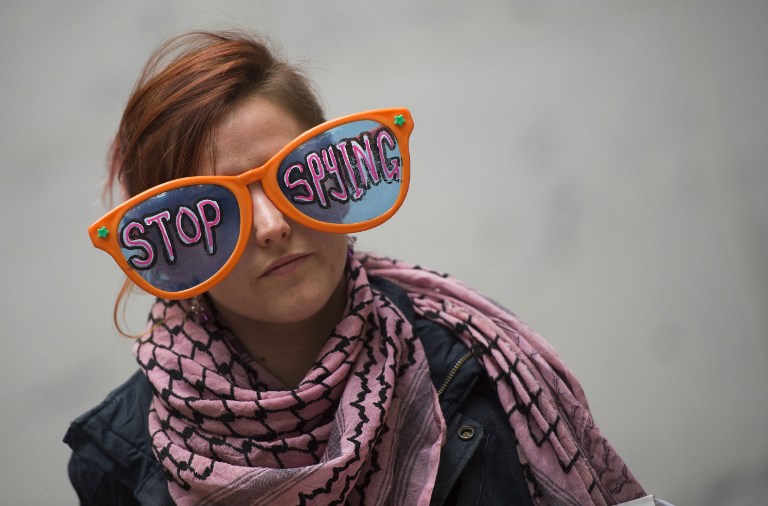
The UK’s High Court has ruled that parts of the controversial surveillance law, the Data Retention and Investigatory Powers Act (DRIPA), violated article 7 and 8 of the European Convention on Human Rights and the personal data protection laws. The EFJ affiliate in the UK, the National Union of Journalists (NUJ), has long been campaigning against DRIPA to ensure that the right of journalists to protect their confidential sources is protected. On Friday 17 July, the High Court of Justice of England and Wales found that UK surveillance laws are incompatible with the European convention on human rights and the EU charter…

Europe: Report violations, threats and limitations to media freedom

The European Federation of Journalists (EFJ), in partnership with Index on Censorship and Reporters Without Borders, has today (22/07/2015) published a new call for a crowd-sourced approach to map all violations, threats and limitations to media freedom in Europe. The online newsletter available on bit.ly/mappingmediafreedom1 is explaining step by step how to easily report the violations and use the mapping tool for advocacy. Correction for submission link (31/07/2015): https://mappingmediafreedom.org/reports/submit

EFJ asks Mogherini to raise the case of journalist Ali Lmrabet with Morrocco

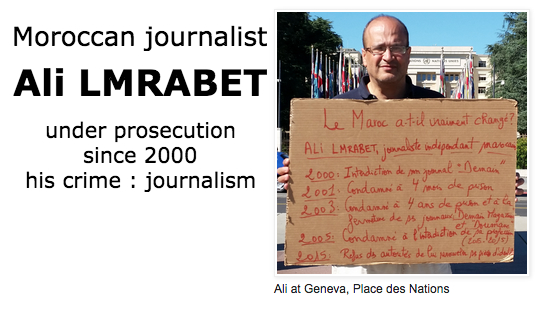
The European Federation of Journalists (EFJ) is calling today (20/07/2015) the EU foreign affairs chief Federica Mogherini to raise the case of the Moroccan journalist Ali Lmrabet during her first visit to Morrocco on July 21 where she will hold meetings with government officials, members of Parliament and civil society. Mrs Mogherini, who is also the vice-president of the EU Commission, will discuss the EU-Morocco partnership and other areas of mutual cooperation related to trade, migration, security and climate change issues. “As the representative voice of European journalists, the EFJ is asking the EU High Representative of the Union for Foreign Affairs…

Freelance Survey in Portugal

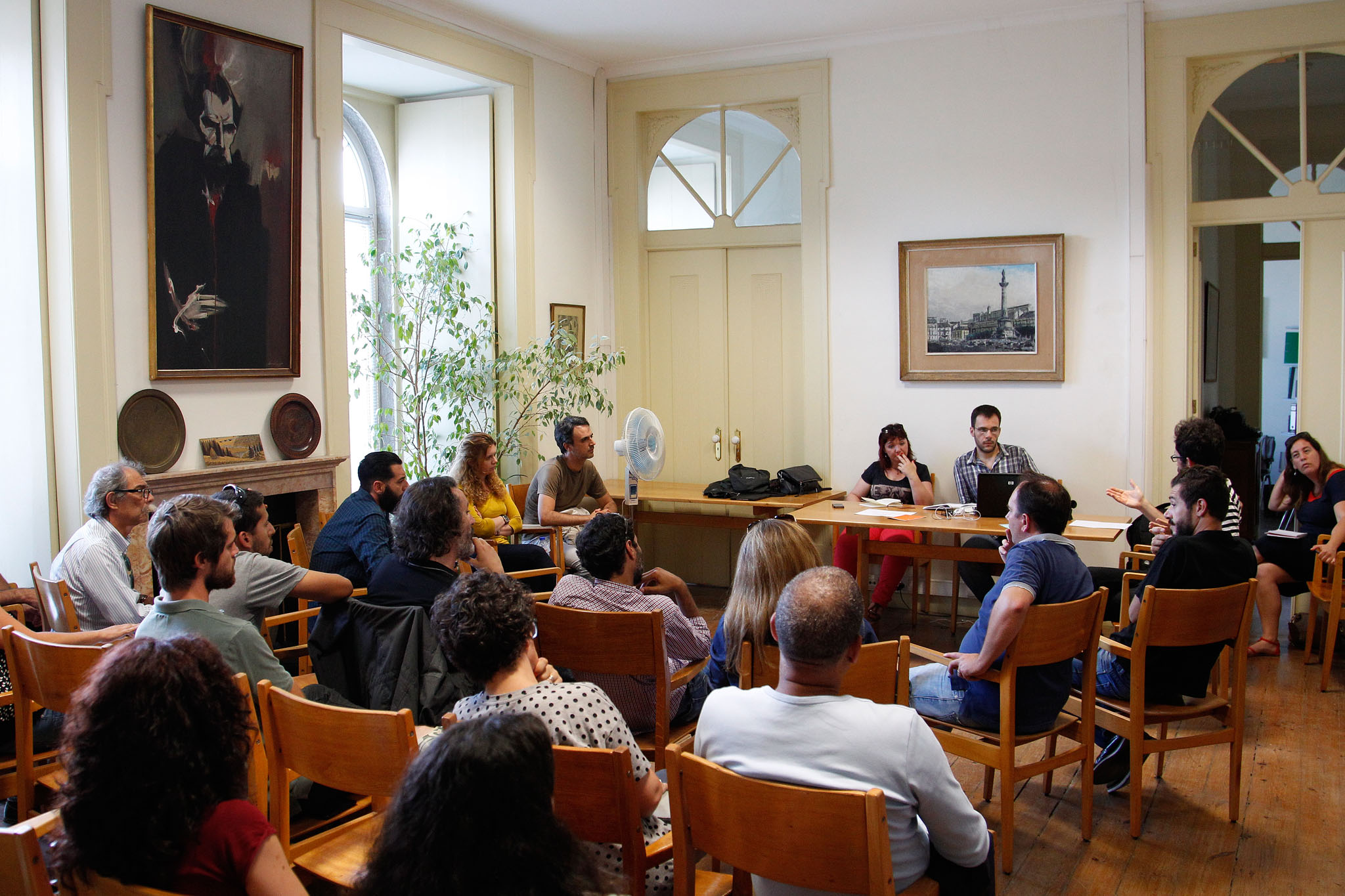
In Portugal the EFJ affiliate, the Sindicato dos Jornalistas‘s newly elected board initiated a freelance campaign starting with a survey about the situation of freelance journalists in Portugal, something which had not been conducted since 2001. In Portugal, trade unions still regard freelances as a new and sometimes unaccepted work form. The union had asked its members registered as freelancers (almost 10% of the total membership) to answer an online questionnaire. The main results which were recently discussed within the membership (see picture above), are the following: Age: average age is 41; Gender: 61.3% are men; 38;7% are female Employment…