European Federation of Journalists

openMedia, investigating press freedom

Title of the project : openMedia, investigating press freedom
Lead Applicant
: openDemocracy

Partner organisations : EFJ, Index on censorship, King’s College London

The recently launched openMedia project aims to investigate and expose commercial interference in editorial decisions. The project is run by openDemocracy with the European Federation of Journalists (EFJ) as a partner alongside the Index on Censorship and King’s College London.

The project believes that there has not been enough of a concerted, ongoing spotlight on the extent and effects of commercial influence over the media, despite the dangerous consequences it poses for press freedom. For now, the project focuses on 47 countries across Europe but also has ambitions to expand.

Despite the recent launch, the project is adamant that it is not a response to the “fake news” hype of the past year or so. Rather, the project responds to scandals of commercial sponsors influencing media content; for example the Daily Telegraph’s suppression of investigations into its advertiser HSBC; and allegations that Buzzfeed deleted articles which advertisers found unfavourable.

According to the project, this power dynamic can suppress investigations of banks, pharmaceuticals, agriculture, fossil fuel giants, energy companies and other big businesses.

In addition, the project recognizes how for many readers, “sponsored content” is difficult to distinguish from genuine news content. The project therefore aims to clarify the commercial interests apparent in media to readers, and as part of the project, King’s College London will develop digital tools to help readers be better informed about news sources.

The findings of the project will be used to campaign for greater transparency and press freedom in news organisations and to empower journalists to advocate for transparency.

In order to do this, openMedia is currently conducting a confidential and anonymous survey of journalists across Europe, asking about their own working practices and experiences of commercial pressure inside newsrooms. The survey is available in English here and in many other languages here.

Actions

EU Enlargement Commissioner: “further progress needed on press freedom”

In a meeting with delegates of the European Federation of Journalists (EFJ) on Friday 20 March 2015, the EU Commissioner for European Neighbourhood Policy and Enlargement Negotiations, Mr. Johannes Hahn, has called for more progress made on press freedom in the West Balkans and Turkey. Commissioner Hahn expressed his concerns about media freedom in West Balkans and Turkey and pointed out that it was not satisfactory to see these countries receiving the same critical comments every year. He confirmed that the Commission considers media freedom as a fundamental right and as a key element in the transformation of countries into democratic…

Turkey: Making trade unions “trendy” again among journalists

Board members of the Journalists Union of Turkey (TGS), together with the European Federation of Journalists (EFJ) and the International Federation of Journalists (IFJ), organised this weekend (21-22 March 2015) in Istanbul the union’s third Strategic & Development workshop in a year. This was an opportunity for the new board (elected at the TGS Congress in December 2013) to evaluate their recruitment and development strategies, identify new areas of potential growth, reassess all ongoing projects with partners and take the necessary steps to move forward. Although Turkey’s Constitution affirms the right of workers to form labour unions “without obtaining permission”, “to possess…

Serbia: “The safety of journalists remains an issue of concern”

The European Federation of Journalists (EFJ) welcomes today the release of the report of the Council of Europe Commissioner for Human Rights Nils Muižnieks, at the end of his visit to Serbia from 16 to 20 March. “As regards media freedoms, the Commissioner welcomes the adoption in August 2014 of three important media laws aiming to ensure media pluralism and transparency of ownership. However, the Commissioner regrets that the implementation of these laws and other media-related issues are being discussed in a highly polarised and politicised context.” “While urging the authorities to refrain from any actions and statements which may have a…

IFJ and EFJ condemn repressive actions against journalists in Crimea

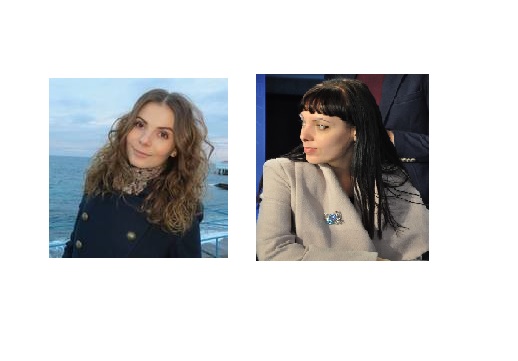
The International Federation of Journalists (IFJ) and its regional organisation, the European Federation of Journalists (EFJ), today accused the Russian Federal Security Service (FSB) in Crimea of harassment and intimidation against independent media after journalist Natalya Kokorina (pictured on the left) was detained last Friday for six hours and denied access to legal assistance while her colleague Anna Andrievska (pictured on the right) is facing anti-state charges in relation to an article she wrote in 2014. The two journalists have worked at the news portal of the Crimean Centre for Investigative Journalism, in charge of providing journalistic training. After the…

Corruption in the media is killing ethical journalism, says EJN

The European Federation of Journalists (EFJ) has today (16/03/2015) attended at the Press Club Brussels the presentation of a new report called Untold Stories – How Corruption and Conflicts of Interests Stalk the Newsroom published by the Ethical Journalism Network (EJN), a global coalition of 50 journalism and media support groups, including the EFJ. The EJN published report is gathering data and stories from distinguished journalists from 18 countries representative of different regions (Western Balkans, Colombia, Denmark, Egypt, India, Malaysia, Mexico, Nigeria, Philippines, Turkey, UK and Ukraine) that exposes how media managers are doing “deals” with advertisers to carry paid-for material disguised as news, how…

Belarus: EFJ reiterates appeal to lift ban on freelance journalists

The European Federation of Journalists has sent a letter to the Minister of Information of Belarus demanding to abolish the provision in a media law forbiding freelance journalists from practicing journalism in the country. According to the Mass Media Law in Belarus, freelance journalists are banned from reporting in the country. The law only recognises employed journalists working for major media organisations in Belarus. Foreign journalists who are working in Belarus on assignments can also get press accreditations at the Ministry of Foreign Affairs of Belarus. The EFJ proposed to the government to organise a round table discussion with all…