Ukraine: NUJU launches international advisory council to strengthen support for journalists in wartime

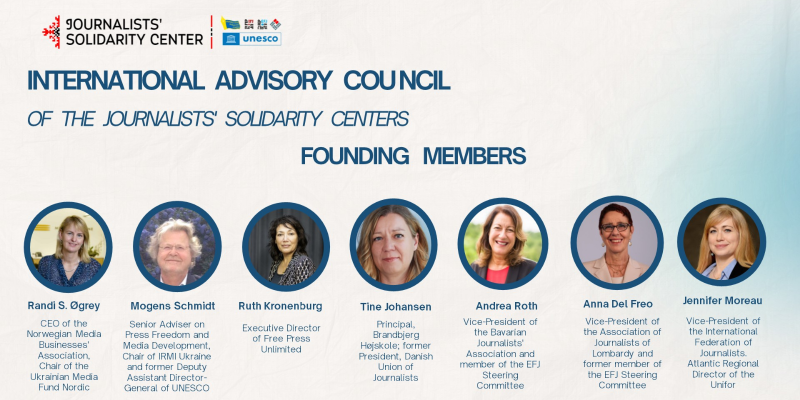
Today, on Ukraine independence day, our Ukrainian affiliate, the National Union of Journalists of Ukraine (NUJU) launched the International Advisory Council of the Journalists’ Solidarity Centers, a pro bono, non-governing advisory board. The new group of international experts will advise NUJU on journalists’ safety, media resilience and the strategic development of its nationwide Solidarity Centers network. The group will also help connect the needs of Ukrainian journalists and independent media with international expertise, professional solidarity and appropriate forms of support. “Ukrainian journalists and media are working in conditions that change almost every week, from missile and drone attacks to displacement,…
Six MEPs call for new EU directive against lawsuits targeting journalists

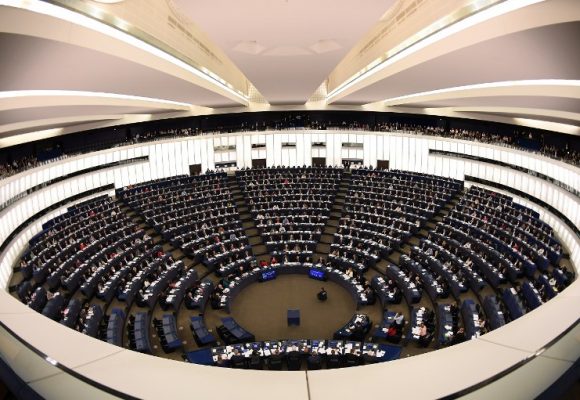
The European Federation of Journalists (EFJ) welcomed the letter sent to Frans Timmerman, the vice-president of the European commission, initiated by six Members of the European Parliament (MEPs)  on 19 February 2018 who called for the introduction of a new EU directive that addresses Strategic Lawsuits Against Public Participation (SLAPP) towards journalists. The letter was signed by the following MEPs: David Casa (European People’s Party), Ana Gomes (Socialists and Democrats), Monica Macovei (European Conservatives and Reformists), Maite Pagazaurtundúa (Alliance of Liberals and Democrats), Stelios Kouloglou (European United Left, GUE/NGL), and Benedek Jávor (Greens). The proposed EU Anti-SLAPP directive would aim to protect journalists from vexatious, abusive lawsuits and other…

CoE Commissioner for Human Rights concerned about safety of journalists in Serbia

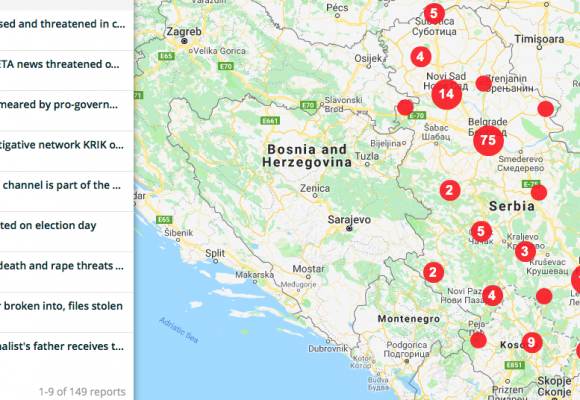
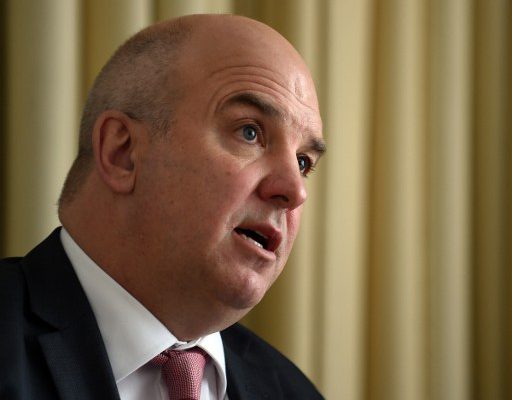
“Serbia has to establish an adequate environment for media work” said today Nils Muižnieks, Council of Europe (CoE) Commissioner for Human Rights, following a four-day follow-up visit to the country carried out from 19 to 22 February 2018. As concerns freedom of the media, the Commissioner noted the agreement of all media actors that he met that Serbia has a solid legislative framework governing this field. ”Serbia also has great investigative journalists, some of whom have been presented with prestigious international awards. The Commissioner for Information of Public Importance, whose importance for investigative journalists’ work cannot be overstated, is a…

EIJC18 & Dataharvest in May 2018

The 8th European Investigative Journalism Conference & Dataharvest will be held from May 24th to 27th 2018 in Mechelen near Brussels. The European Investigative Journalism Conference & Dataharvest, organised by Journalismfund.eu, is the most relevant networking event for investigative and data journalists in Europe. Join the EIJC in Mechelen, Belgium from 24 to 27 May 2018 for the most interesting edition yet!  #EIJC18 & Dataharvest offers hugely inspiring investigative journalism cases, ample opportunities to meet interesting colleagues and coders, and tons of training sessions to brush up your skills hands-on. Check out our programme outline. This is the one conference you do not want to miss! Register now and take advantage of our early bird rates. Deadline 28th of February. Also don’t…

Free European Media: Let’s join forces for freedom of the press!

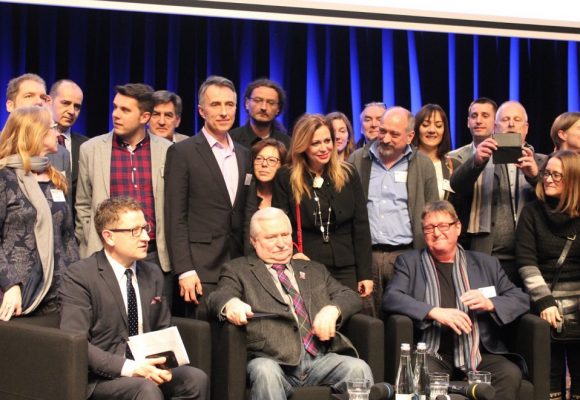
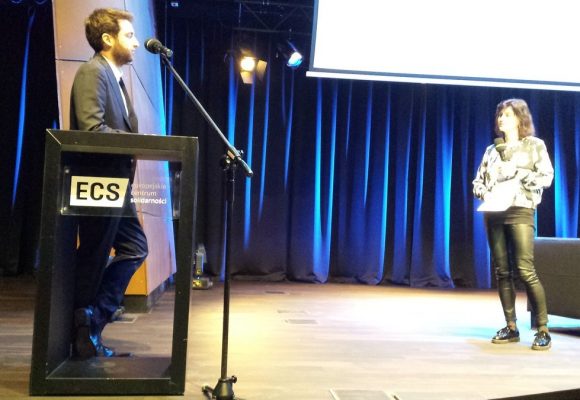
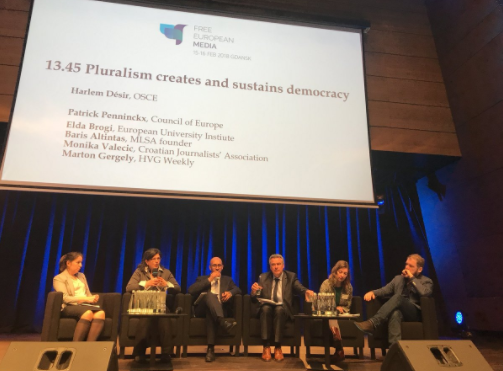
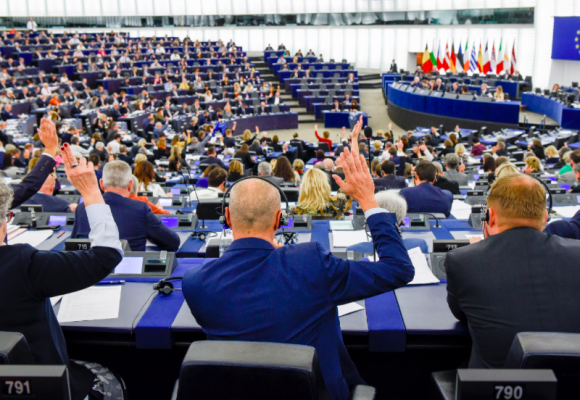
Over 120 journalists, representatives of journalists’ organisations, national media regulators and press councils, as well as academics, politicians, and civil society activists gathered on 15-16 February at the Solidarność Centre in Gdansk, Poland, for a conference on “Free European Media”. The event has concluded with a number of proposed steps, including the need to strengthen partnerships between all stakeholders. The event has been organised by the European Federation of Journalists (EFJ) in cooperation with the Council of Europe (CoE), the Nordic Journalism Centre, the European Centre for Press and Media Freedom (ECPMF) and the International Press Institute (IPI), with the support…

Journalist Philippe Bertinchamps threatened with expulsion in Serbia

On February 2018, Philippe Bertinchamps, a Belgrade-based Belgian journalist working for various French-speaking media outlets is threatened with expulsion after the Serbian interior minister (MUP) rejected his second request for a temporary residence permit. If deported, the journalist will be separated from his family living in Serbia. The authorities is vaguely accusing him of being an “obstacle to public order and national security”. M.Bertinchamp’s application for a temporary residence permit on preservation of family unity grounds was rejected by the MUP in April 2017 and again on 8 January 2018 with no explanation. A Serbian administrative court ruled in his…

Deniz Yücel released after one year of detention in Turkish prison

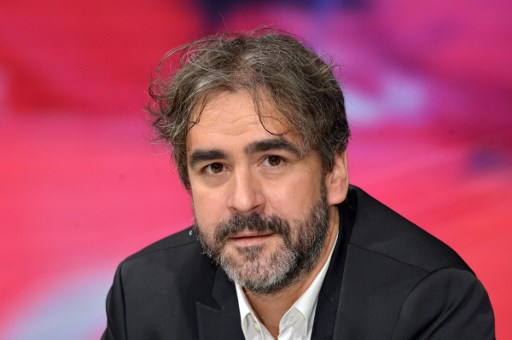
The European Federation of Journalists (EFJ) welcomed the release of Turkish-German journalist Deniz Yücel, correspondent for the German daily newspaper Die Welt, who spent 366 days in pre-trial detention without indictment. His lawyer, Veysel Ok, confirmed on 16 February that the court in Istanbul ordered Yücel’s release, pending trial. He does not face any ban from leaving the country. On 14 February 2017, Yücel was first taken into custody upon accusations of being a member of a terrorist organisation, spreading propaganda and misusing information and subsequently jailed. His conditions of detention had deteriorated in March 2017, when he was put in…

Turkey: Six journalists and media workers sentenced to life over coup attempt

A Turkish court jailed on Friday 15 February three journalists, Mehmet (65) and Ahmet (67) Altan as well as Nazli Illicak (73) for life over allegations of involvement in the 2016 coup attempt. A similar punishment was handed to three other suspects: Zaman newspaper marketing manager Yakup Simsek, police academy instructor Sukru Tugrul Ozsengul and Zaman layout designer Fevzi Yazici. The European Federation of Journalists (EFJ) is appalled by this verdict which confirms Turkey’s disregard for rule of law. The Altan brothers and Nazli Ilicak were detained since September 2016 on charges including “attempting to overthrow the Turkish Grand National Assembly”,…

Matthew Caruana Galizia’s speech at Free European Media

This is the keynote speech given by Matthew Caruana Galizia, Pulitzer prize-winning journalist at ICIJ, at the conference “Free European Media” which took place in Gdansk, 15-16 February 2018. What are ethics? What is self-censorship? My father, brothers and I spent our first Christmas without my mother together, in a cottage hidden away in rural England. We cooked, played Monopoly and watched cowboy films by Sergio Leone. It reminded me why my mother liked them so much- her first regular column was called The Good, the Bad and the Ugly. In life, like in these parables disguised as films, there are the good…

Harlem Désir’s speech at Free European Media

This is the keynote speech given by Harlem Désir, Representative on Freedom of the Media for the Organization for Security and Co-operation in Europe (OSCE), at the conference “Free European Media” which took place in Gdansk, 15-16 February 2018.   Mr. President of the European Federation of Journalists, Mogens Bjerregård, M. President of the City of Gdansk, Pawel Adamovicz, Mr. Director Basil Kerski, who welcomed me at the European Solidarity Centre two years ago, Dear Secretary General Ricardo Gutiérrez, Dear Director Patrick Penninckx, Ladies and gentlemen, It is a great pleasure for me to be back in Gdansk, a free city since centuries, and to have the opportunity to speak with…

President’s speech on Free European Media

This is the welcoming speech given by Mogens Blicher Bjerregård, president of the European Federation of Journalists (EFJ), at the conference “Free European Media” which took place in Gdansk, 15-16 February 2018.   Distinguished hosts, colleagues, partners, guests – welcome to this conference that is a part of a larger program focusing on the increasing conflict between media and politics that we witness recently. The organisers for this conference are European Federation of Journalists, the Council of Europe, the European Centre for Press and Media Freedom, the International Press Institute and the Nordic Journalism Centre. This conference should not be seen as…

European media organisations express support to Swiss public service and local TV and radio stations

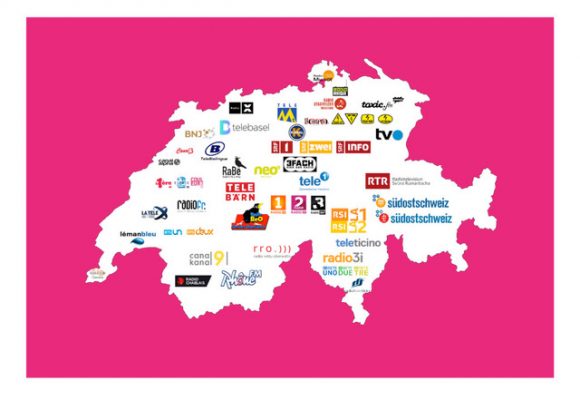
On March 4th, Swiss citizens will decide through a national vote whether to abolish the media reception fee, previously collected through the company Billag (hence the initiative’s name “NoBillag”). The current Swiss media system is comprised of public service, private and community media, each sector with its specific functions and roles. The abolition of the national media reception fee would result in the loss of reliable sources of information and put democratic values at risk. In a country characterised by great linguistic and cultural diversity, public service media operated by SRG SSR not only guarantees access to information in all…

Report about fact-finding mission to Estonia and Lithuania

A new report about the fact-finding mission conducted by the European Federation of Journalists (EFJ) and the European Centre for Press and Media Freedom (ECPMF) which investigated the media situation in Estonia and Lithuania from 22 to 24 January can be found here. Members of the mission interviewed almost 30 experts: representatives of the government, academia, press councils, public service media, journalists‘ organisations, investigative journalists, editors-in-chief and CEOs of major media companies. The two Baltic states were chosen in the wake of a wave of disinformation spread by Russian specialists during the US election campaign. The question, whether the comparatively small societies of Estonia and…

European Parliament resolution on the current human rights situation in Turkey

During the European Parliament plenary session (5-8 February 2018) in Strasbourg, MEPs voted a resolution on the current human rights situation in Turkey. The European Federation of Journalists welcomes the references to the fate of imprisoned journalists, to the specific cases of Deniz Yücel, Ayla Albayrak, Mehmet Altan, Sahin Alpay and Ahmet Sik, to the indictments of signatories of Academics for Peace, to the misuse of the state of emergency to silence dissent, to the chilling effect of the pressure on social media users expressing criticism against the military operation in Afrin. The full text of the resolution as adopted…

The EFJ launches the book “Free European Media”

The European Federation of Journalists (EFJ) launches the book “Free European Media” in connection with the conference, barring the same name Free European Media 2018, to take place in Gdansk, Poland. Hate speech and fake news are rife, citizens are getting more and more confused as propaganda undermines the credibility of our news media, and our fundamental values are under attack. Impartial and accurate journalism is under attack. It is high time to address the importance of uncensored, pluralistic media for the development of our free democracies in Europe. The conference Free European Media 2018 adresses that challenge and  Nordic Journalist Center is…

Serbia: EFJ denounced the intimidation campaign against its affiliate NUNS

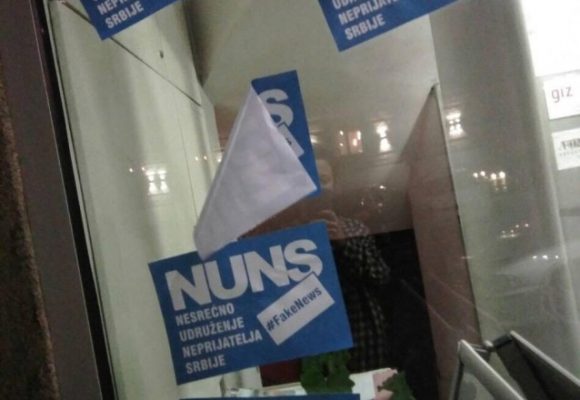
On 7 February 2018, the European Federation of Journalists (EFJ) denounced on the platform of the Council of Europe for the safety of journalists and protection of journalism the following case: On two separate occasions (04/02/2018 and 05/02/2018), the Belgrade office of the Independent Journalists Association of Serbia (NUNS or IJAS) has been the target of insults and intimidation with a printed flyer describing IJAS as an “Unhappy Association of Enemies of Serbia”. The flyers were glued into the glass entrance of the House of Journalists where the head office of the Independent Journalists Association of Serbia is located. It…

In France and Italy, the so-called “fake news” have a limited reach, new study reveals

The Reuters Institute just published the first evidence-based study “Measuring the reach of ‘fake news’ and online disinformation in Europe” focusing on the most popular false news sites in France and Italy. The results show that the so-called “fake news” have a limited reach and that the time spent on false news websites is far lower than the time spent on news websites. It is often assumed that false news have a huge impact on the people who read them. Yet the research reveals that most of the false news websites analysed had a reach of less than 1% of…