European Federation of Journalists

IFJ-EFJ Regional Development Fund

Czech Republic


The European Federation of Journalists (EFJ) signed an agreement on 18 December 2014 with the Union of Journalists and Media Workers of Czech Republic (OSNPM) in order to investigate the working conditions of Czech journalists and media workers. The project is implemented with the cooperation of Judith Reitstatter, from the Austrian union GPA-djp.

The online survey was launched on 19 May 2015. Around 2,500 journalists and media workers were invited to participate to the survey. The EFJ, OSNPM and GPA-djp analysed together the main outcomes of the survey during a round table conference, on 19 August 2015, in Prague.

The questionnaire focus mainly on labour rights. “This area is underestimated by the Czech media, journalists themselves and their employers as well,” explains Zdeněk Kučera, chairman of OSNPM.

“Over the past 25 years, journalists’ attention was focused primarily toward freedom of speech, access to information, relations with media ownership and the development of media houses. These are very serious topics. However, journalists’ status remained grossly underrated. A specific problem is the status of freelance journalists, which are increasingly numerous, particularly in regional media.”

The main findings of the survey are available on the EFJ website, here.
FOCUS EFJ

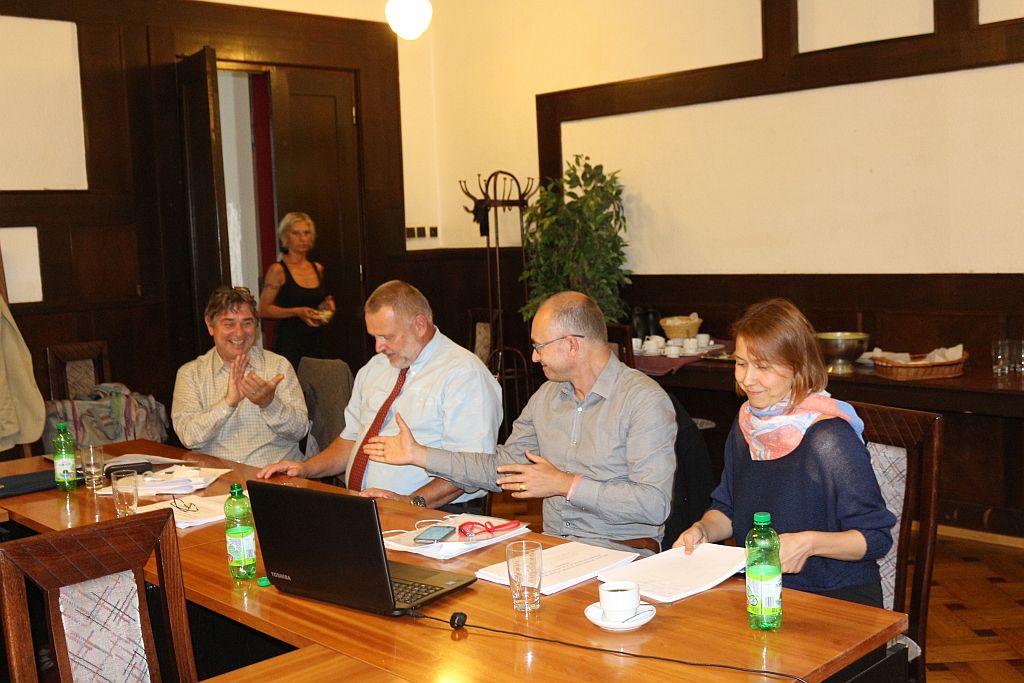
Side event of our project: a high school magazines national competition (Nejinspirativnější středoškolský časopis 2015). Here are the winners (picture credit: F. Cakl):

Czech

Contact details: OSNPM, e-mail: odborovy-svaz-novinaru@seznam.cz, website: http://www.odborovysvaznovinaru.cz


Slovakia

The European Federation of Journalists (EFJ), its Austrian union GPA-djp and the Slovak Union of Journalists (Slovenský syndikát novinárov) organized a meeting in Vienna, on 30 October 2014. Trade unionists and media students from both countries met in GPA-djp offices, in Vienna. The discussion on media convergence was launched by Dr. Roman Hummel, from the university of Salzburg.

Contact details: Judith Reitstaetter, judith.reitstaetter (at) gpa-djp.at


Estonia

The European Federation of Journalists (EFJ), the Estonian Union of Journalists (Eesti Ajakirjanike Liit, EAL) and the Union of Journalists in Finland (Suomen Journalistiliitto, UJF) agreed on 6 February 2015 to jointly implement the project “Workshops to Strengthen Journalists’ organisation in Estonia”.

The main objective of the project is to strengthen journalists’ organisation in Estonia, through three activities:

  • a freelance workshop in Helsinki,
  • a radio & TV negotiators workshop in Helsinki,
  • an authors’ rights seminar in Tallinn.

An action plan will be proposed for the next period.

Contact details: Juha Rekola, Juha.Rekola (at) journalistiliitto.fi, and Helle Tiikmaa, helle (at) eal.ee
 

Actions

DIHA journalists regularly targeted by Turkish authorities

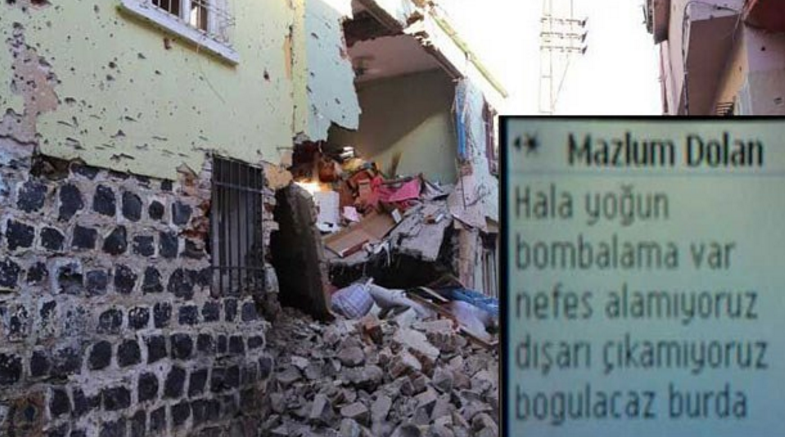
The European and International Federations of Journalists (EFJ-IFJ) are strongly concerned about the alerts they receive on a daily basis about DIHA journalists and media workers being permanently attacked, beaten, threatened or jailed by the Turkish authorities because of their news coverage in conflictual Kurdish populated areas in Southeastern Turkey. The most recent violation is related to Mazlum Dolan, DIHA press correspondent in the municipality of Sur (Diyarbakir), where the journalist was locked at the basement of a building under heavy firing. “We are under heavy bombing, we can’t breath and we can’t go out. We are going to suffocate…

Media should reflect on the way they portray women

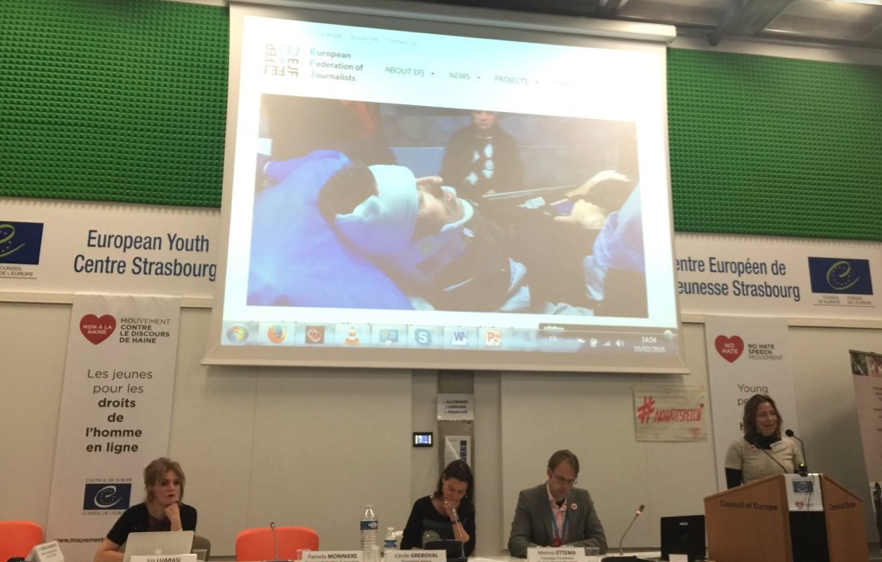
The European Federation of Journalists (EFJ) was invited to a seminar of the No Hate Speech Movement, linked to the implementation of the Gender Equality Strategy of the Council of Europe, that took place from 10 to 12 February at the European Youth Centre in Strasbourg. The issue of sexist hate speech is particularly acute for women journalists both off and online. Sexist forms of hate speech are direct manifestations of violence against women and girls, which remains the most pronounced expression of the uneven balance of power between women and men, one of the root causes of discrimination against…

Commissioner Muižnieks calls on Poland to protect the independence of public media

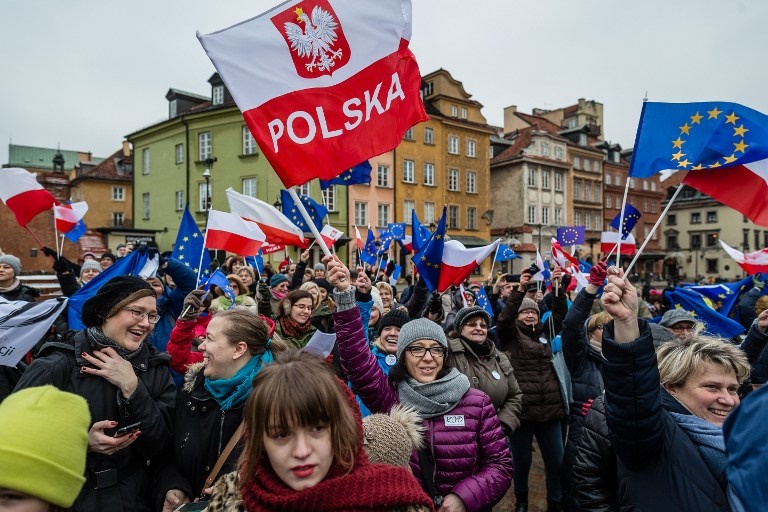
The Council of Europe Commissioner for Human Rights, Nils Muižnieks, issued a statement today, at the end of a four-day visit to Poland. He expressed concerns at the adoption in December 2015 of transitional legislation in the field of public service media, pending the adoption of a wider reform in this area, expected before the summer 2016. “Placing public service media under direct government control by giving the latter the powers to appoint and dismiss the members of the supervisory and management boards of public service television and radio contradicts Council of Europe standards which notably require that public service media…

Turkish journalist Füsun Erdogan visits the EFJ/IFJ offices

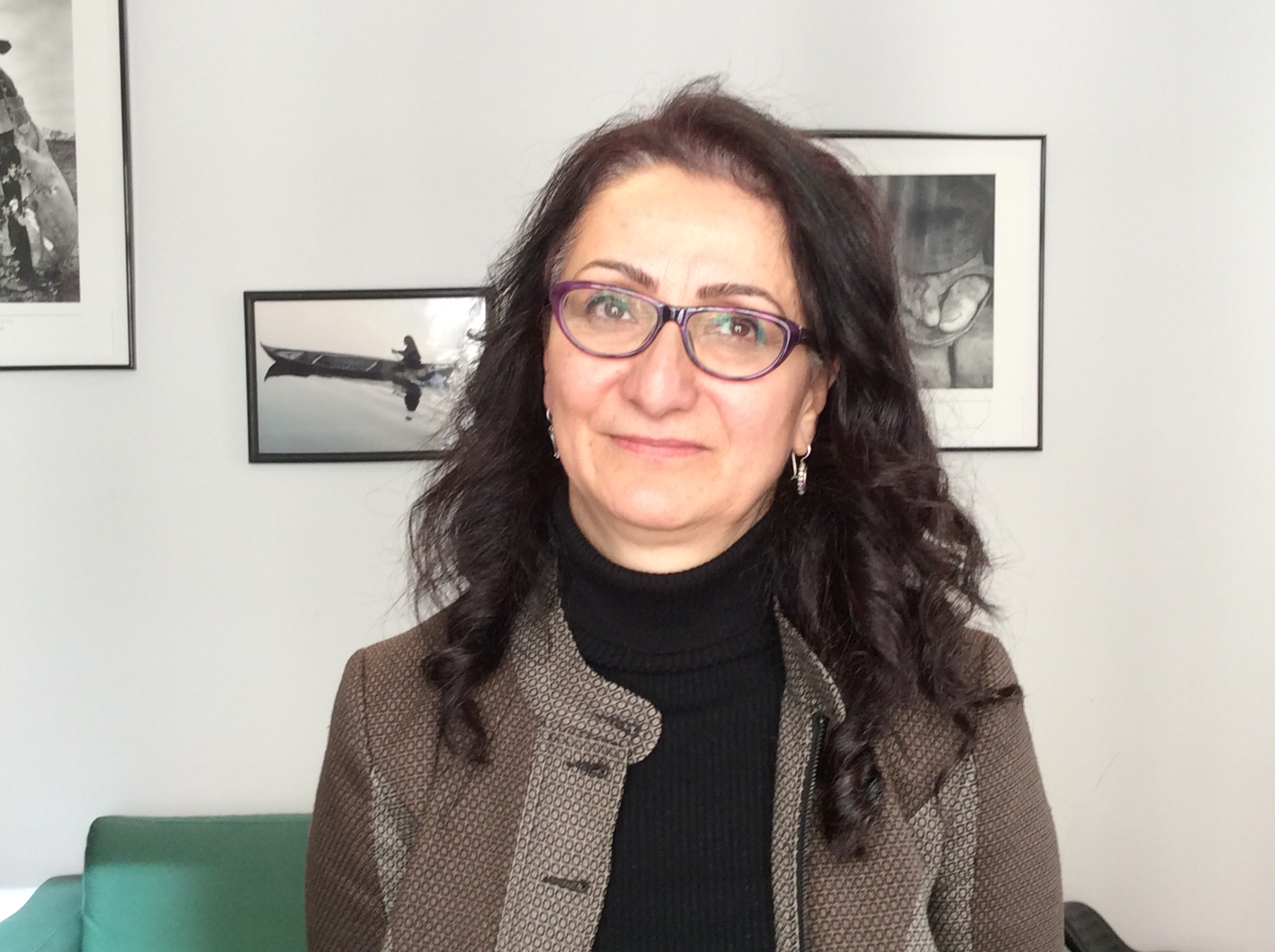
Turkish journalist Füsun Erdoğan visited the IFJ/EFJ offices today to share the latest developments of her trial to be set in Ankara, Tukey’s capital on 23 March. On 2 November 2013, Füsun Erdogan was given a life sentence and charged with being a member of an alleged terrorist organisation. Her trial in the appeal court will take place on 23 March. The IFJ and the EFJ will ask the Turkish government to ensure a fair trial and set the journalist free. Founder of the radio station Özgür Radyo (Radio Free), Erdogan has often defended political, religious and ethnic minorities. On…

Croatia: governmental attacks on Media Freedom

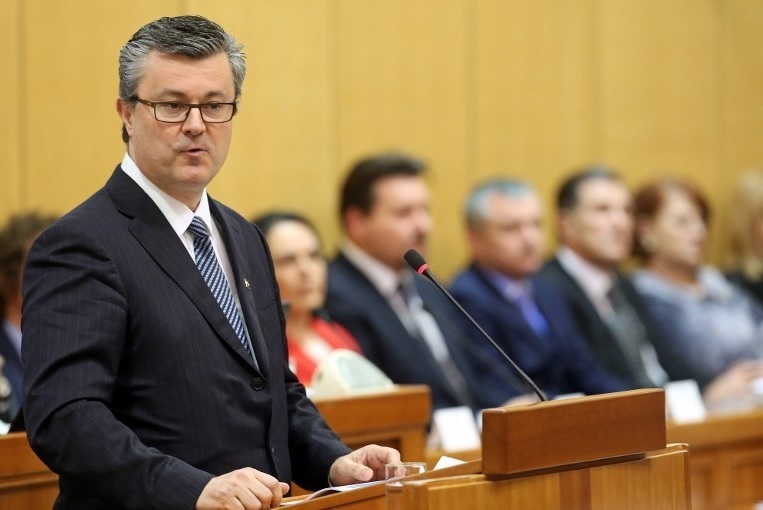
The decision to abolish state subsidies for non-profit media in Croatia was announced by Croatian Minister of Culture, Zlatko Hasanbegović, on the 27th of January 2016. The International and European Federations of Journalists join their affiliates in Croatia, the Croatia Journalists’ Association (HND) and the Trade Union of Croatian Journalists (Sinoh) in condemning this decision, as well as the minister of Culture dissolution of the Expert Committee for non-profit media before the end of his mandate. “Non-profit media in Croatia arose as an oasis of critical and professional journalism, focusing on topics ignored by most other media outlets, bolstering the freedoms and…