European Federation of Journalists

openMedia, investigating press freedom

Title of the project : openMedia, investigating press freedom
Lead Applicant
: openDemocracy

Partner organisations : EFJ, Index on censorship, King’s College London

The recently launched openMedia project aims to investigate and expose commercial interference in editorial decisions. The project is run by openDemocracy with the European Federation of Journalists (EFJ) as a partner alongside the Index on Censorship and King’s College London.

The project believes that there has not been enough of a concerted, ongoing spotlight on the extent and effects of commercial influence over the media, despite the dangerous consequences it poses for press freedom. For now, the project focuses on 47 countries across Europe but also has ambitions to expand.

Despite the recent launch, the project is adamant that it is not a response to the “fake news” hype of the past year or so. Rather, the project responds to scandals of commercial sponsors influencing media content; for example the Daily Telegraph’s suppression of investigations into its advertiser HSBC; and allegations that Buzzfeed deleted articles which advertisers found unfavourable.

According to the project, this power dynamic can suppress investigations of banks, pharmaceuticals, agriculture, fossil fuel giants, energy companies and other big businesses.

In addition, the project recognizes how for many readers, “sponsored content” is difficult to distinguish from genuine news content. The project therefore aims to clarify the commercial interests apparent in media to readers, and as part of the project, King’s College London will develop digital tools to help readers be better informed about news sources.

The findings of the project will be used to campaign for greater transparency and press freedom in news organisations and to empower journalists to advocate for transparency.

In order to do this, openMedia is currently conducting a confidential and anonymous survey of journalists across Europe, asking about their own working practices and experiences of commercial pressure inside newsrooms. The survey is available in English here and in many other languages here.
Actions

Danish government increased support for the media sector

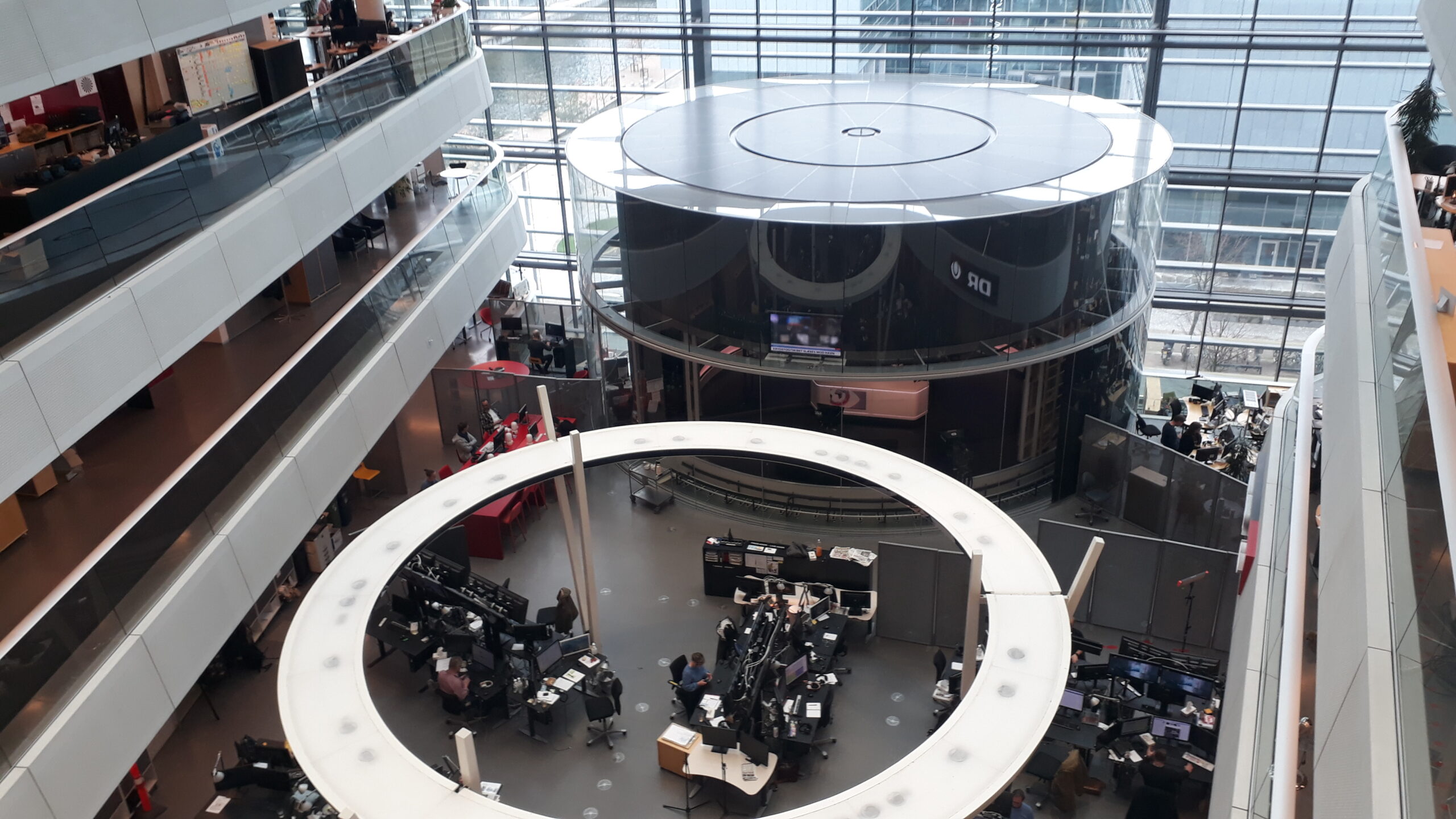
The Danish government agreed on 6 December with the majority of the parliament to stop financial cuts of 122 million euros in support of public service media over the next four years. In addition, the government proposed to increase support for the media sector by providing an additional annual budget of 20 millions euros. The minister of Culture stressed: media are important for our democracy. “This is a great day for journalism and the media in Denmark. Cuts in public service media would have caused dramatic changes in DR (the Danish Broadcasting Corporation) also resulting in many new unemployed journalists.…

Slovenia: news agency funding cut puts press freedom at risk

The European Federation of Journalists (EFJ) has joined calls to repeal the decision to cut funding for the Slovenia Press Agency (STA) in a row over its alleged failure to respond to what media freedom campaigners describe as reckless and unlawful information requests. The Slovenian government confirmed on 30 November a decision by its communication office (UKOM) to cut STA monthly funds for October for allegedly failing to answer information requests related to its editorial content. The EFJ joined the International Federation of Journalists (IFJ) and its affiliates, the Slovenian Journalists’ Association (DNS) and the Slovenian Union of Journalists (SUJ)…

Serious concerns over suspension of funding to Slovenian Press Agency

The undersigned partners of the Media Freedom Rapid Response (MFRR), including the European Federation of Journalists (EFJ), today raise serious concerns over the recent decision by the Government Communication Office (UKOM) in Slovenia to suspend financing of the country’s press agency. We believe the move to temporarily halt funding from the Slovenian Press Agency (STA) will seriously jeopardise its ability to keep citizens informed during and after the COVID-19 pandemic and is the latest example of a wider effort by the current administration to undermine and stigmatise the country’s public service media. On November 30, UKOM director Uroš Urbanija communicated to…

Armenia: Police impeded journalistic work during protest

Police prevented the work of journalists and attempted to detain the cameraman Hayk Sukiasyan of Yerkir Media TV during a protest in Yerevan, on 1 December. The European Federation of Journalists (EFJ) joined its affiliate, the Union of Journalists of Armenia (UJA), in strongly condemning these incidents and urges the authorities to investigate the case. Gegham Manukyan, director of the TV station’s political and media programs, said that the police had arrested Sukiasyan and put him in the car by force before being released shortly after. During the scuffle, a camera belonging to Yerkir Media was broken. A policeman said…

UK: Journalists with IFJ Press Card to be exempted from Covid quarantine rules

The European Federation of Journalist and the International Federation of Journalists welcome the confirmation from the UK government that foreign journalists traveling to the UK will be exempted from the country’s quarantine restrictions from 4 am on Saturday 5th December if they hold an IFJ International Press Card. The new rules were secured thanks to negotiations involving our affiliate, the National Union of Journalists (NUJ). NUJ General Secretary Michelle Stanistreet said: “This is welcome news for all those journalists who cross borders as part of their work, at a time when news and reporting is more important than ever. It’s a…

EFJ welcomes EU Democracy Action Plan but calls for stronger regulation of tech giants

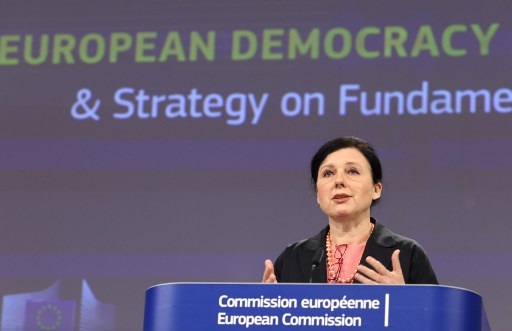
Věra Jourová, Vice-President of the European Commission, presented today the European Democracy Action Plan to empower citizens and build more resilient democracies across the EU. The European Federation of Journalists (EFJ) welcomes the Action Plan and its concrete provisions to strengthen media freedom and pluralism, but calls for stronger regulation of Tech Giants, while protecting freedom of expression. The Action Plan sets out measures to strengthen media freedom and counter disinformation in the European Union. More concretely, the Commission will recommend measures to promote safety of journalists and present an initiative to protect them from strategic lawsuits against public participation…