European Federation of Journalists

openMedia, investigating press freedom

Title of the project : openMedia, investigating press freedom
Lead Applicant
: openDemocracy

Partner organisations : EFJ, Index on censorship, King’s College London

The recently launched openMedia project aims to investigate and expose commercial interference in editorial decisions. The project is run by openDemocracy with the European Federation of Journalists (EFJ) as a partner alongside the Index on Censorship and King’s College London.

The project believes that there has not been enough of a concerted, ongoing spotlight on the extent and effects of commercial influence over the media, despite the dangerous consequences it poses for press freedom. For now, the project focuses on 47 countries across Europe but also has ambitions to expand.

Despite the recent launch, the project is adamant that it is not a response to the “fake news” hype of the past year or so. Rather, the project responds to scandals of commercial sponsors influencing media content; for example the Daily Telegraph’s suppression of investigations into its advertiser HSBC; and allegations that Buzzfeed deleted articles which advertisers found unfavourable.

According to the project, this power dynamic can suppress investigations of banks, pharmaceuticals, agriculture, fossil fuel giants, energy companies and other big businesses.

In addition, the project recognizes how for many readers, “sponsored content” is difficult to distinguish from genuine news content. The project therefore aims to clarify the commercial interests apparent in media to readers, and as part of the project, King’s College London will develop digital tools to help readers be better informed about news sources.

The findings of the project will be used to campaign for greater transparency and press freedom in news organisations and to empower journalists to advocate for transparency.

In order to do this, openMedia is currently conducting a confidential and anonymous survey of journalists across Europe, asking about their own working practices and experiences of commercial pressure inside newsrooms. The survey is available in English here and in many other languages here.
Actions

Ukraine: Journalist attacked live on air

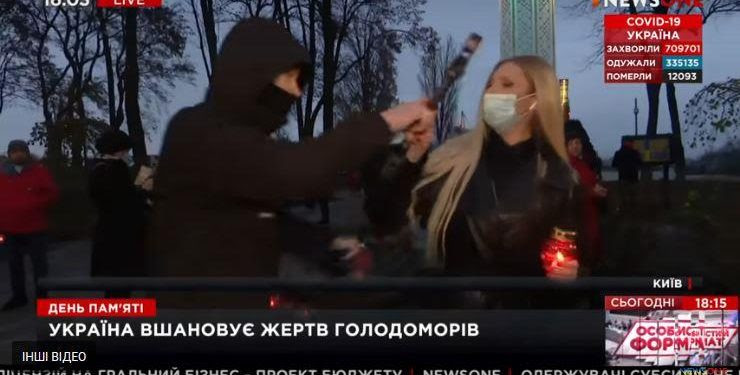
TV Journalist Violetta Tovkes was attacked by an unknown man in the middle of a live broadcast on 28 November, resulting in severe damage to her equipment. The European Federation of Journalists (EFJ), the International Federation of Journalists (IFJ), and its affiliate, the National Union of Journalists of Ukraine (NUJU), condemn these acts and called for an end to any kind of aggression against journalists in the line of duty. Ms. Tovkes, a reporter for the national TV channel NewsOne, was attacked in the middle of a broadcast in Kiyv during a ceremony honoring the Holodomor victims. This killing, which took place between 1932 and 1933 and left from three to 12…

Coalition published a proposal for an EU anti-SLAPP law

A coalition of about 60 non-governmental organisations from across Europe published on 1 December 2020 a proposal for an EU-anti SLAPP directive. This text is the result of several months of work involving civil society organisations, including the European Federation of Journalists (EFJ) and national journalists’ trade unions, to urge policy makers to protect public watchdogs such as journalists, rights defenders, activists and whistleblowers from Strategic Lawsuits Against Public Participation (SLAPPs). SLAPP suits are a form of legal harassment. Pursued by law firms on behalf of powerful individuals and organisations who seek to avoid public scrutiny, their aim is to…

Biographies of experts

WEBINARS Trust in media Audience Engagement & Artificial Intelligence The Online Seminars on 25 and 26 March are moving closer. We have already updated the agenda and preliminary reading suggestions list. Now we would like to introduce you to our confirmed speakers who will join for the two days of discussions. The seminars will take place on two days: On the first day, Thursday 25 March, experts will be dealing with the question of how to regain trust and improve audience engagements. On the second day, Friday  26 March, panelists will discuss the topic of innovations in the newsrooms, covering how media…

France tramples on press freedom

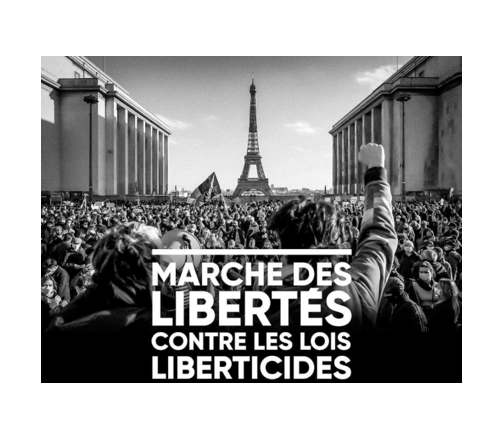
As the vote on the first reading of the “Global Security” law achieved a majority in the French National Assembly on Tuesday 24 November, the International and European Federations of Journalists (IFJ-EFJ), as well as other representatives from the Media Freedom Rapid Response (MFRR) called on the French Prime Minister, Jean Castex, to withdraw three articles from the text, and on journalists and democracy activists to demonstrate on Saturday 28 November. On Monday 23 November, a coalition composed of the International and European Federations of Journalists (IFJ-EFJ), together with their French affiliates, the SNJ, SNJ-CGT, CFDT-Journalists, and several journalists’ societies,…

European Parliament stands up for journalists to defend democracy

After Polish MEP Magdalena Adamowicz (EPP) presented a passionate call for the report on strengthening media freedom: the protection of journalists in Europe, hate speech, disinformation and the role of platforms in plenary, the European Parliament adopted today with a great majority the report, which was first drafted in February this year. The European Federation of Journalists (EFJ) has fully supported the draft and given its input throughout the process. The own-initiative report focuses on six principal areas which are all intertwined: media freedom and pluralism, political independence of the media, the protection of journalists, financial and economic pressure, hate speech and…

Czech government must reverse exclusion of critical media from press conferences

The European Federation of Journalists (EFJ) joined the International Press Institute (IPI) and the partner organisation of the Media Freedom Rapid Response (MFRR) in sending an open letter on 17 November to the government of the Czech Republic raising concerns about its side-lining of critical media during press conferences. The letter comes after journalists from certain outlets, including one of the country’s biggest independent media outlet Forum 24, have been denied accreditation to attend press conferences since March 2020 without further explanation. “We note that this worrying situation persists despite recent pledges by both the Prime Minister and the Ministry…