European Federation of Journalists

openMedia, investigating press freedom

Title of the project : openMedia, investigating press freedom
Lead Applicant
: openDemocracy

Partner organisations : EFJ, Index on censorship, King’s College London

The recently launched openMedia project aims to investigate and expose commercial interference in editorial decisions. The project is run by openDemocracy with the European Federation of Journalists (EFJ) as a partner alongside the Index on Censorship and King’s College London.

The project believes that there has not been enough of a concerted, ongoing spotlight on the extent and effects of commercial influence over the media, despite the dangerous consequences it poses for press freedom. For now, the project focuses on 47 countries across Europe but also has ambitions to expand.

Despite the recent launch, the project is adamant that it is not a response to the “fake news” hype of the past year or so. Rather, the project responds to scandals of commercial sponsors influencing media content; for example the Daily Telegraph’s suppression of investigations into its advertiser HSBC; and allegations that Buzzfeed deleted articles which advertisers found unfavourable.

According to the project, this power dynamic can suppress investigations of banks, pharmaceuticals, agriculture, fossil fuel giants, energy companies and other big businesses.

In addition, the project recognizes how for many readers, “sponsored content” is difficult to distinguish from genuine news content. The project therefore aims to clarify the commercial interests apparent in media to readers, and as part of the project, King’s College London will develop digital tools to help readers be better informed about news sources.

The findings of the project will be used to campaign for greater transparency and press freedom in news organisations and to empower journalists to advocate for transparency.

In order to do this, openMedia is currently conducting a confidential and anonymous survey of journalists across Europe, asking about their own working practices and experiences of commercial pressure inside newsrooms. The survey is available in English here and in many other languages here.

Actions

Victory for press freedom in Germany: Global mass surveillance ruled unconstitutional

Today, the German Federal Constitutional Court has declared the monitoring of worldwide Internet traffic by the Federal Intelligence Service (BND) to be unconstitutional. The ruling says that the BND is bound by the fundamental rights of the Basic Law when conducting telecommunications surveillance of foreigners in other countries, and it violates the fundamental right to privacy of telecommunications (Art. 10(1) of the Basic Law, Grundgesetz – GG) and the freedom of the press (Art. 5). Back in 2016 the Bundestag  passed a law that allowed the Federal Intelligence Service to spy on foreign journalists. As this destroys the trust between journalists…

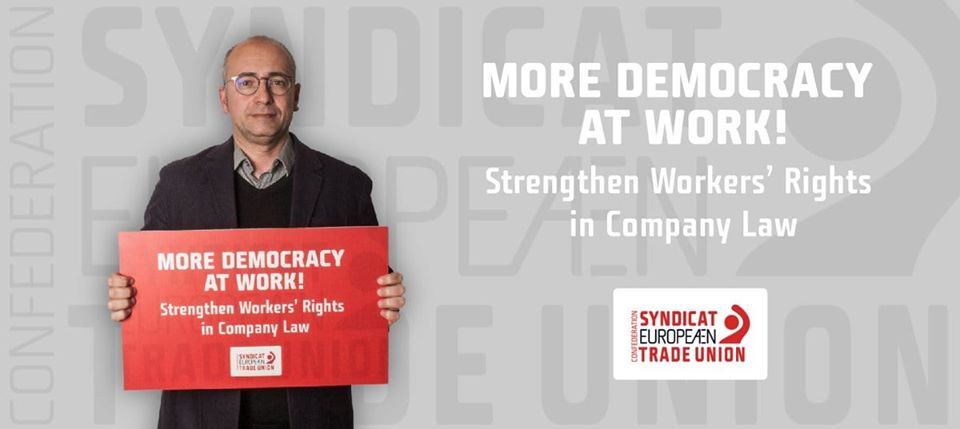
EFJ welcomes scholars’ call for more democracy at work

The European Federation of Journalists (EFJ) welcomes the call by more than 3,000 scholars on 15 May for more democratisation of work. “Democratize firms; decommodify work; stop treating human beings as resources so that we can focus together on sustaining life on this planet,” concludes the call. “As a sectoral trade union federation, the EFJ supports the European Trade Uunion Confederation’s ongoing fight for the further democratisation of work, so we can only welcome this call for responsibility and mobilisation from the global scientific community,” reacted the EFJ General Secretary Ricardo Gutiérrez. “We fully agree with these prominent scholars: our…

Norway: Government presents Coronavirus aid package for media

The Norwegian government presented on May 12 a proposal for a media aid package to address the financial situation of the country’s media during the coronavirus crisis. The Norwegian Union of Journalists (NJ) welcomed the package but warned that the initial amount of 300 million NOK (27 million euros) will not be enough to save the whole industry and maintain the media plurality in the country. The package is estimated to cover up to 60 per cent of the financial loss suffered by the media industry due to the pandemic. It can be used by national media organisations which have a turnover…

EFJ condemns discrediting of journalists by Slovenian PM

The Slovenian Prime Minister, Janez Janša, published on 11 May, in the government’s official website, a story about his so-called “war with the media”. The European Federation of Journalists (EFJ) joined its Slovenian affiliates, the Slovenian Association of Journalists (DNS) and the Union of Slovenian Journalists (SNS), in condemning this despicable attempt to discredit journalists. Janez Janša blames in his text the journalists in general: “The professional group in western civilisation that first declared itself the seventh power, then the fourth (unelected) branch of power and finally the moral judge of political correctness, is increasingly difficult to recognise today as…

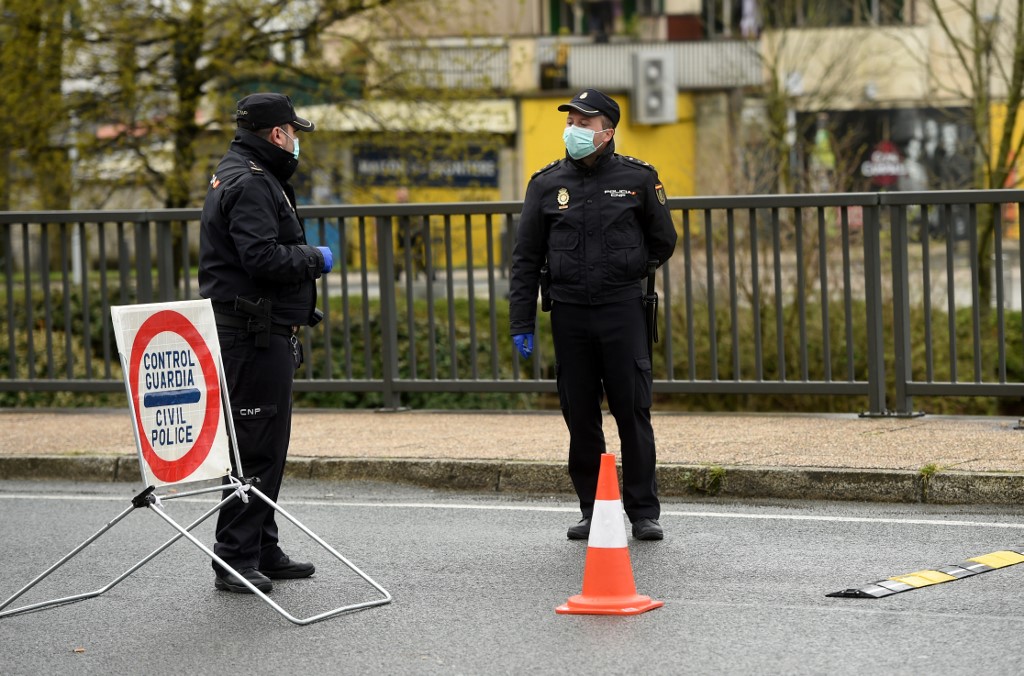
Portuguese journalists banned from entering Spain

The European Federation of Journalists (EFJ) joins its affiliates, the Union of Portuguese Journalists (SinJor) and the Spanish Federation of Journalists’ Associations (FAPE), in calling on the Spanish and Portuguese governments to allow journalists from both countries to cross the border to carry out their work. On 7 May 2020, Spanish border guards at the Ayamonte border post banned a team of three Portuguese journalists from Lusa news agency from entering Spanish territory to report on the work of Portuguese cross-border workers in Spain. The Portuguese journalists showed their official press cards, but were not allowed to cross the border,…

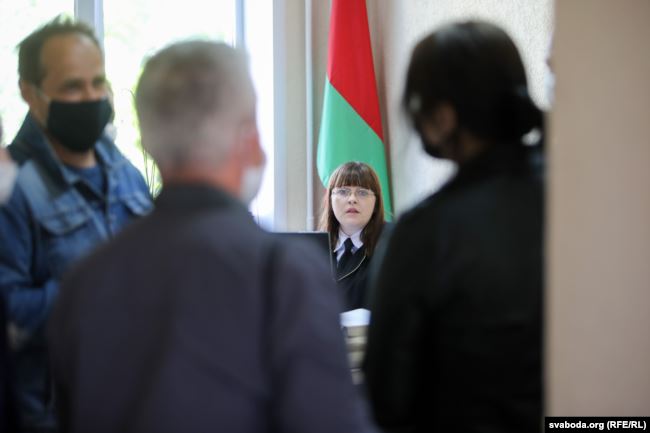
Belarus: four journalists sent to prison just for doing their job

The European Federation of Journalists (EFJ) today joined its affiliate in Belarus, the Belarusian Association of Journalists (BAJ) in demanding the release of four journalists sent to jail just for doing their job. On 11 and 12 May, courts of Mahilou and Hlybokaye, in Belarus, sentenced four journalists, all of them BAJ members, Ales Asiptsou, Mikhail Arshynski, Alexander Burakou and Zmitser Lupach to 10 days of administrative arrest for alleged “participation in unauthorized protests”. They were in fact just covering these demonstrations for their media. Today, the Leninski District Court announced its decision in the case of Alexander Burakou: 10…