European Federation of Journalists

openMedia, investigating press freedom

Title of the project : openMedia, investigating press freedom
Lead Applicant
: openDemocracy

Partner organisations : EFJ, Index on censorship, King’s College London

The recently launched openMedia project aims to investigate and expose commercial interference in editorial decisions. The project is run by openDemocracy with the European Federation of Journalists (EFJ) as a partner alongside the Index on Censorship and King’s College London.

The project believes that there has not been enough of a concerted, ongoing spotlight on the extent and effects of commercial influence over the media, despite the dangerous consequences it poses for press freedom. For now, the project focuses on 47 countries across Europe but also has ambitions to expand.

Despite the recent launch, the project is adamant that it is not a response to the “fake news” hype of the past year or so. Rather, the project responds to scandals of commercial sponsors influencing media content; for example the Daily Telegraph’s suppression of investigations into its advertiser HSBC; and allegations that Buzzfeed deleted articles which advertisers found unfavourable.

According to the project, this power dynamic can suppress investigations of banks, pharmaceuticals, agriculture, fossil fuel giants, energy companies and other big businesses.

In addition, the project recognizes how for many readers, “sponsored content” is difficult to distinguish from genuine news content. The project therefore aims to clarify the commercial interests apparent in media to readers, and as part of the project, King’s College London will develop digital tools to help readers be better informed about news sources.

The findings of the project will be used to campaign for greater transparency and press freedom in news organisations and to empower journalists to advocate for transparency.

In order to do this, openMedia is currently conducting a confidential and anonymous survey of journalists across Europe, asking about their own working practices and experiences of commercial pressure inside newsrooms. The survey is available in English here and in many other languages here.

Actions

Mapping COVID-19 support: Germany

Media sector (emergency relief) Media outlets were eligible to the 25 billion euros aid programme, providing they meet the following conditions: decrease in revenues in April and May 2020 by at least 60% compared to 2019 and by at least 50% in the period June-August 2020. Up to 50% of fixed operating costs will be reimbursed if revenues fall by at least 50% compared to the same month of the previous year (up to 80% if decrease by more than 70%). The maximum refund was 150,000€ per company for three months. Specific measures for freelancers At the regional level: Bavaria:…

ARTICLE19 briefing: How to tackle misinformation about COVID-19

Professional journalism, ethical journalism, independent media, transparency from those in power, media literacy and the free flow of information are the best antidote to misinformation and conspiracy theories about the spread of COVID-19 across the globe. In that particular context, the European Federation of Journalists (EFJ) welcomed the policy brief recently issued by ARTICLE19. “More than ever we need professional journalists in the field. Citizens are counting on them to report on the real impact of the pandemic, to disseminate protective measures and to hold decision-makers accountable. The EFJ asks media owners to refrain from any initiative to reduce wages,…

Hungary: EFJ urges again the EU to condemn limits on freedom of information

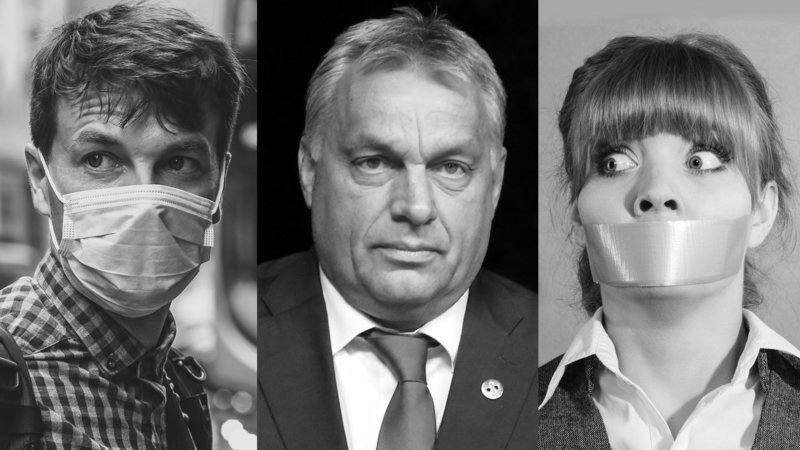
In the wake of our discussion on Friday with the Vice President of the European Commission for Values and Transparency, Věra Jourová, the European Federation of Journalists (EFJ) expressed again today its serious concerns about the sweeping powers granted to Hungary’s Prime Minister Viktor Orbán in a parliamentary vote approving indefinite rule by decree and jail terms for spreading misinformation. The EFJ fully supports the petition “No Quarantine for Democracy!” developed with MEPs (including Ramona Strugariu, Stelios Kouloglou, Viola von Cramon-Taubadel, Lara Wolters and Guy Verhofstadt), which is calling on all EU Member States to ensure reinforced protections for journalists, the media…

Belarusian investigative journalist Siarhei Satsuk detained

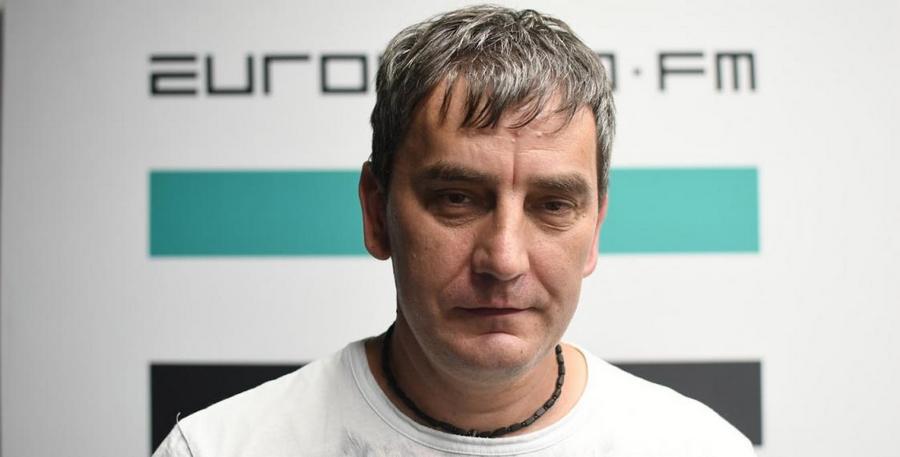
UPDATE (06.04.2020): Siarhei Satsuk was released on the 4th of April after 10 days in detention. However, his case is not closed. Siarhei Satsuk, journalist and chief editor of the online publication EJ.BY, was detained on 25 March in Minsk by officers of the Department of Financial Investigations of the State Control Committee. The police confirmed that Satsuk was interrogated as a suspect in a criminal case. According to his relatives and friends, he is charged with receiving bribes. He faces 3 to 10 years jail term. Siarhei Satsuk is known for his investigative work. His last high-profile investigation denounced…

COVID-19: Council of Europe must ensure press freedom is protected

The European Federation of Journalists (EFJ), the largest organisation of journalists in Europe, representing over 320,000 journalists in 72 journalists’ organisations across 45 countries, today called on Europe’s top human rights and democracy organization to protect free flow of information and ensure that media freedom is guaranteed as states strive to tackle the COVID-19 pandemic. EFJ joined with nine other press freedom and journalists groups to write to the heads of the Strasbourg-based Council of Europe to express its profound concerns over the dangers of governments taking advantage of the coronavirus pandemic to punish independent and critical media and introduce…

Turkey: Release imprisoned journalists and human rights defenders at risk of coronavirus

Amid growing concerns over the spread of COVID-19 in prisons, the Turkish government is accelerating the preparation of a draft law that will reportedly release up to 100,000 prisoners. This is a welcome step. Overcrowding and unsanitary facilities already pose a serious health threat to Turkey’s prison population of nearly 300,000 prisoners and about tens of thousands of prison staff. That will only be exacerbated by the coronavirus pandemic. However, we remain concerned that journalists, human rights defenders and others imprisoned for simply exercising their rights, and others who should be released, will remain behind bars in the package of…