European Federation of Journalists

openMedia, investigating press freedom

Title of the project : openMedia, investigating press freedom
Lead Applicant
: openDemocracy

Partner organisations : EFJ, Index on censorship, King’s College London

The recently launched openMedia project aims to investigate and expose commercial interference in editorial decisions. The project is run by openDemocracy with the European Federation of Journalists (EFJ) as a partner alongside the Index on Censorship and King’s College London.

The project believes that there has not been enough of a concerted, ongoing spotlight on the extent and effects of commercial influence over the media, despite the dangerous consequences it poses for press freedom. For now, the project focuses on 47 countries across Europe but also has ambitions to expand.

Despite the recent launch, the project is adamant that it is not a response to the “fake news” hype of the past year or so. Rather, the project responds to scandals of commercial sponsors influencing media content; for example the Daily Telegraph’s suppression of investigations into its advertiser HSBC; and allegations that Buzzfeed deleted articles which advertisers found unfavourable.

According to the project, this power dynamic can suppress investigations of banks, pharmaceuticals, agriculture, fossil fuel giants, energy companies and other big businesses.

In addition, the project recognizes how for many readers, “sponsored content” is difficult to distinguish from genuine news content. The project therefore aims to clarify the commercial interests apparent in media to readers, and as part of the project, King’s College London will develop digital tools to help readers be better informed about news sources.

The findings of the project will be used to campaign for greater transparency and press freedom in news organisations and to empower journalists to advocate for transparency.

In order to do this, openMedia is currently conducting a confidential and anonymous survey of journalists across Europe, asking about their own working practices and experiences of commercial pressure inside newsrooms. The survey is available in English here and in many other languages here.
Actions

Turkey: Court orders the release under judicial supervision of Ahmet Altan and Nazli Ilicak after three years in jail

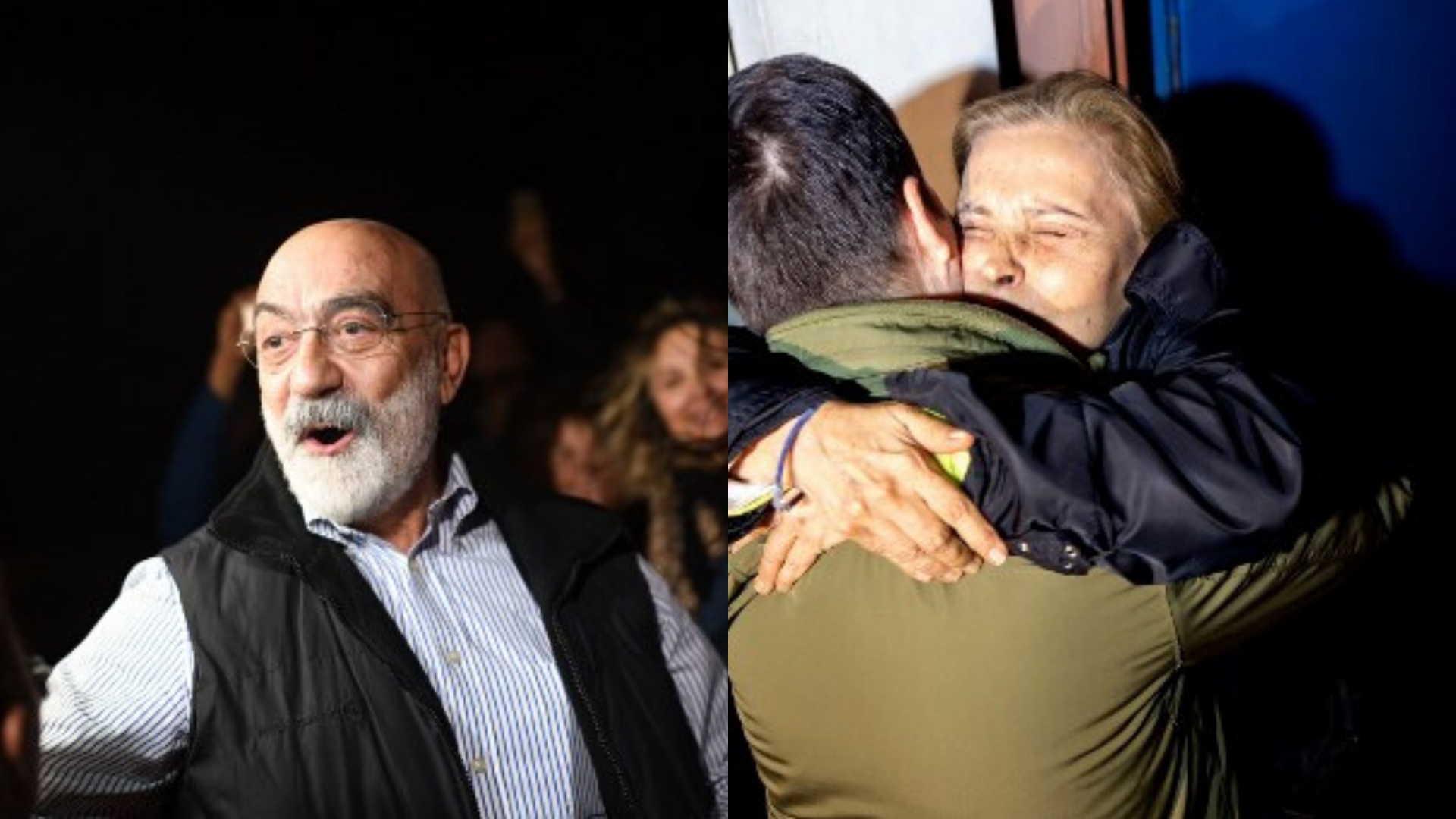
A Turkish court ordered on 4 November the release under supervision of journalists Ahmet Altan and Nazli Ilicak who had spent three years in jail, accused of participating in the failed 2016 coup. The European and International Federations of Journalists (EFJ and IFJ) welcome their release but urge authorities to remove the judicial control, stressing they were victims of trumped up charges. Both journalists were jailed in 2016 following their conviction of “aiding a terrorist group without being its member”, charges that they always denied. On 2 October 2018, the Court of appeal in Istanbul upheld aggravated life sentences of…

The Netherlands: Landmark ruling sets 50% pay increase for photojournalists

The freelance photojournalists Britt van Uem (Tubantia) and Ruud Rogier (Brabants Dagblad) won on the 1st of November the lawsuit against DPG Media (formerly De Persgroep). The court ruled that the rates they received for their work, respectively 13 cents per word and 42 euros per photo, were not fair. The judge has increased the rates by 50% to 0.21 cents per word and 65 euros per photo respectively. DPG Media therefore has to pay these two freelancers extra for work they did in 2018. The European Federation of Journalists (EFJ) welcomes this historical decision and congratulates its affiliate, The…

EFJ and partner organisations call on governments to end impunity

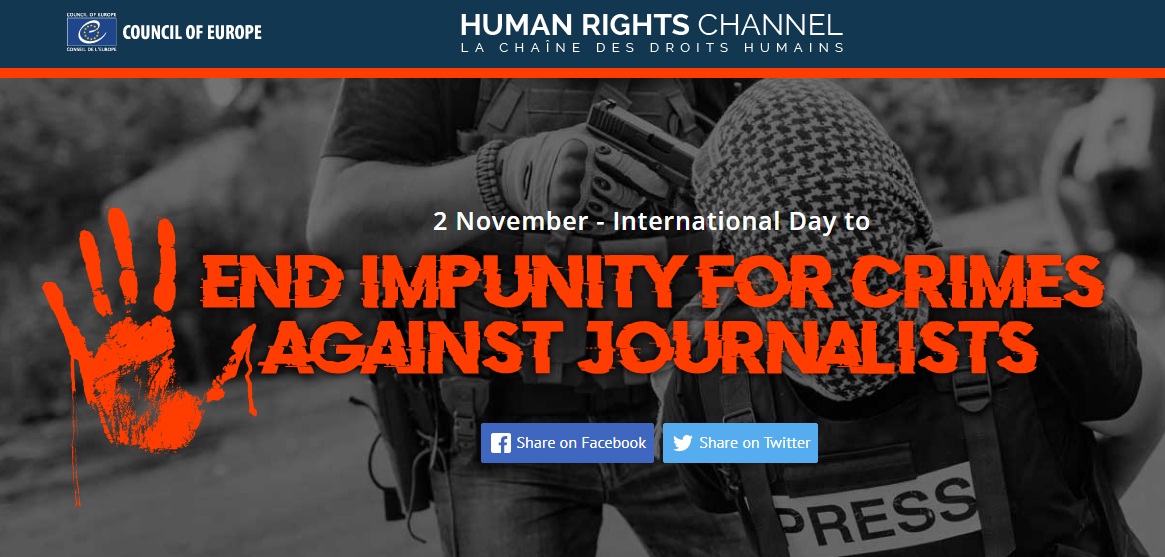
Ahead of the International Day to End Impunity for Crimes against Journalists, a UN-recognized day observed annually on 2 November, twelve partner organisations of the Council of Europe Platform to Promote the Protection of Journalism and Safety of Journalists call on governments to ensure that crimes against journalists are not carried out with impunity. Earlier this week, the case of courageous Maltese investigative journalist Daphne Caruana Galizia was moved to the Council of Europe’s category of journalists killed with impunity. The three men charged with her murder have yet to be brought to trial, while those who masterminded her assassination…

EFJ joins IFJ campaign against impunity

The European Federation of Journalists (EFJ) joined IFJ 3-week campaign to expose the staggering levels of impunity for crimes against journalists and the lack of international action to combat the rising tide of threats and abuse faced by journalists worldwide. The campaign will kick-off on 2 November marking International Day to End Impunity for Crimes Against Journalists and run until 23 November, the anniversary of the Ampatuan massacre in the Philippines, in which at least 32 media workers were killed. The Federation has recorded 1064 killings of media professionals in the past 10 years. Yet, only one murder in every…

How to make journalists’ unions more diverse and inclusive?

The first step for reaching a broader and diverse group of people is improving diversity and inclusiveness within the union itself. Eighteen trade union representatives from sixteen European countries attended a three-day training organised by the European Federation of Journalists (EFJ) and the European Trade Union Institute (ETUI), on 28-30 October in Porto, Portugal. The host of the workshop was the Portuguese union and EFJ affiliate Sindicato dos Jornalistas (SinJor). The training aimed to provide current, future and potential leaders different tools to make their unions more inclusive and diverse, equipping them with leadership and trade union mobilising skills; providing…

EFJ invites journalists’ organisations and media outlets to endorse the ‘Charter on Working Conditions’

Show your support to the charter and join the signatories! The EFJ Charter on Journalists Working Conditions is a guideline on working conditions, signed on 12 February 2019 in Belgrade (Serbia), by 14 journalists’ organisation representatives affiliated to the European Federation of Journalists and leading journalists’ unions from Western Balkans and Turkey. The Charter is open for signature to all journalists organisations, private or public media companies or authorities willing to commit to improve the working conditions and reinforce the labour rights of journalists and media workers in Europe, to fight against censorship and to promote free access to information and sources. The Charter contains 10…