European Federation of Journalists

openMedia, investigating press freedom

Title of the project : openMedia, investigating press freedom
Lead Applicant
: openDemocracy

Partner organisations : EFJ, Index on censorship, King’s College London

The recently launched openMedia project aims to investigate and expose commercial interference in editorial decisions. The project is run by openDemocracy with the European Federation of Journalists (EFJ) as a partner alongside the Index on Censorship and King’s College London.

The project believes that there has not been enough of a concerted, ongoing spotlight on the extent and effects of commercial influence over the media, despite the dangerous consequences it poses for press freedom. For now, the project focuses on 47 countries across Europe but also has ambitions to expand.

Despite the recent launch, the project is adamant that it is not a response to the “fake news” hype of the past year or so. Rather, the project responds to scandals of commercial sponsors influencing media content; for example the Daily Telegraph’s suppression of investigations into its advertiser HSBC; and allegations that Buzzfeed deleted articles which advertisers found unfavourable.

According to the project, this power dynamic can suppress investigations of banks, pharmaceuticals, agriculture, fossil fuel giants, energy companies and other big businesses.

In addition, the project recognizes how for many readers, “sponsored content” is difficult to distinguish from genuine news content. The project therefore aims to clarify the commercial interests apparent in media to readers, and as part of the project, King’s College London will develop digital tools to help readers be better informed about news sources.

The findings of the project will be used to campaign for greater transparency and press freedom in news organisations and to empower journalists to advocate for transparency.

In order to do this, openMedia is currently conducting a confidential and anonymous survey of journalists across Europe, asking about their own working practices and experiences of commercial pressure inside newsrooms. The survey is available in English here and in many other languages here.
Actions

Opinion |”Neighbouring rights: Google is not above the law”

More than 850 journalists, photographers, media executives and reporters signed an opinion against Google‘s decision to refuse to compensate the press sector for information referenced on its search engine and services. The European and International Federations of Journalists (EFJ and IFJ), representing respectively 320,000 journalists in Europe and 600,000 worldwide, co-signed this opinion and called on the EU States to act against this abuse of dominance. « Today, Google is attacking the press. Tomorrow it will be music, cinema. We believe that Google can not be above the law or flout the will of the European Parliament. This is an…

Dutch journalist held “hostage” by the Court of Rotterdam

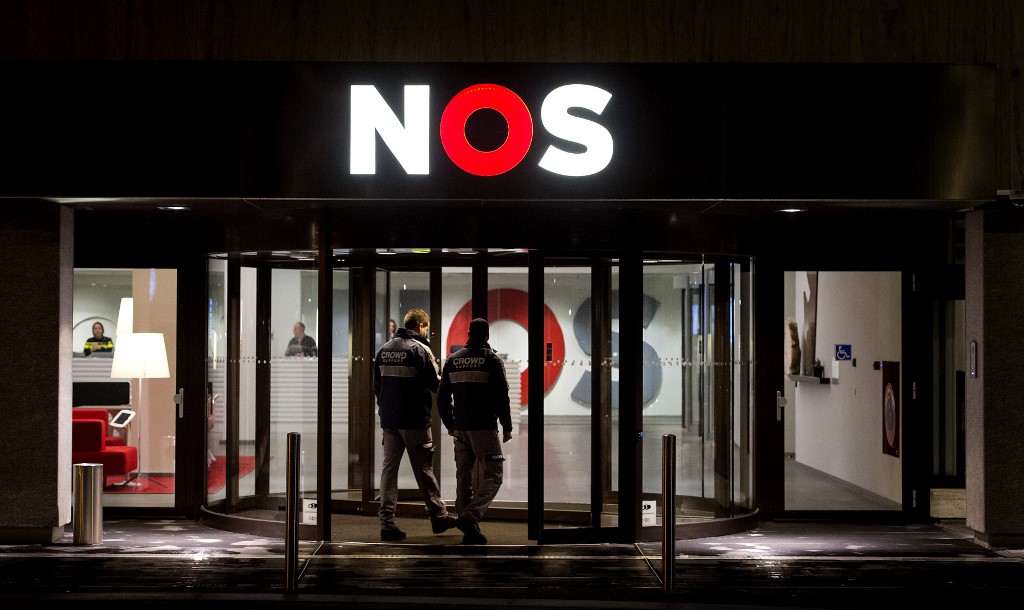
The Dutch journalists led by the EFJ member, the Journalists’ Association of the Netherlands (NVJ) are protesting against the decision of the Court of Rotterdam to held “hostage” NOS reporter, Robert Bas, who refused to reveal his source as demanded by the court. Bas was asked by the court to provide witness to a criminal case investigation, which requires him to compromise the protection of confidential sources. He refused the demand from the court and subsequently held by the court by refusing to provide evidence. Thomas Bruning, the NVJ General Secretary criticised the decision: “It is incomprehensible that a journalist…

Catalonia protests: Without journalism, there is no democracy

The political conflict between Catalonia and Spain has reached its most critical point with a week of protests against the sentence that condemned Catalan leaders between 9 and 13 years of prison. Some of the demonstrations have turned into a scenario of violence between protesters and police officers. The journalists, in between, are suffering the consequences of this confrontation: 59 journalists had been injured as for today (65 according to Mèdia.cat, but some of them are still unidentified), some of the reporters have been held in custody and informing about the situation is becoming more and more difficult. The European…

Ukraine: Journalist Stanislav Aseev sentenced to 15 years and 2.5 years job ban

Stanislav Aseev, an Ukrainian journalist who has been held captive since June 2017 in Donetsk, has today given a 15-year sentence and a ban to practice journalism for 2.5 years by the “Supreme Court” of the self-proclaimed “Donetsk People’s Republic” in east Ukraine. The European Federation of Journalists (EFJ) was shocked by the decision and reiterated its call for the immediate release of Aseev. Ricardo Gutiérrez, EFJ General Secretary, said: “The mistreatment of Aseev and now the harsh sentence are blatant violations of media freedom. “The authorities must stop criminalising journalists and depriving their rights to exercise freedom of speech.” Sergiy…

EFJ calls on EU to enhance protection for journalists

The European Federation of Journalists (EFJ) has participated today at the European Parliament in the workshops and the conference ‘Risking everything to uphold EU values and democracy: protecting journalists in the EU’, organised by Renew Europe Group and Romanian MEP Ramona Strugariu. During the conference, MEP Sophie in’t Veld said that the murder of Maltese journalist Daphne Caruana Galizia had a significant role and importance. She stated that Malta will only be able to regain press freedom with the end of impunity for the murder of Daphne Caruana Galizia. Daphne’s son, Matthew Caruana Galizia, made a tribute to her work and…

Czech Republic: media freedom under pressure

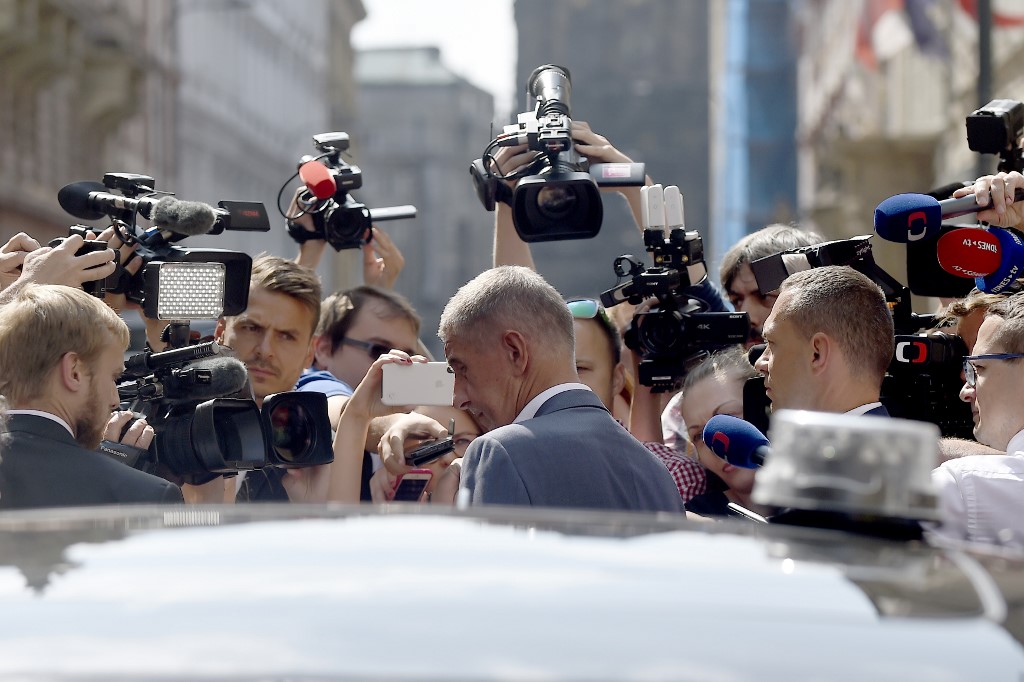
A new report by the European Federation of Journalists (EFJ), the Syndicate of Journalists of Czech Republic, the European Broadcasting Union (EBU), the Nordic Association of News Publishers and the European Centre for Press and Media Freedom (ECPMF)  reveals the state of media in the Czech Republic. A fact-finding delegation met with 14 key informants including journalists, editors, directors, teachers, politicians and founders from various part of the Czech media landscape, both public service media and private media. During the mission, it was noticed that the prime minister’s close link to the media he used to own is totally unacceptable for…