European Federation of Journalists

openMedia, investigating press freedom

Title of the project : openMedia, investigating press freedom
Lead Applicant
: openDemocracy

Partner organisations : EFJ, Index on censorship, King’s College London

The recently launched openMedia project aims to investigate and expose commercial interference in editorial decisions. The project is run by openDemocracy with the European Federation of Journalists (EFJ) as a partner alongside the Index on Censorship and King’s College London.

The project believes that there has not been enough of a concerted, ongoing spotlight on the extent and effects of commercial influence over the media, despite the dangerous consequences it poses for press freedom. For now, the project focuses on 47 countries across Europe but also has ambitions to expand.

Despite the recent launch, the project is adamant that it is not a response to the “fake news” hype of the past year or so. Rather, the project responds to scandals of commercial sponsors influencing media content; for example the Daily Telegraph’s suppression of investigations into its advertiser HSBC; and allegations that Buzzfeed deleted articles which advertisers found unfavourable.

According to the project, this power dynamic can suppress investigations of banks, pharmaceuticals, agriculture, fossil fuel giants, energy companies and other big businesses.

In addition, the project recognizes how for many readers, “sponsored content” is difficult to distinguish from genuine news content. The project therefore aims to clarify the commercial interests apparent in media to readers, and as part of the project, King’s College London will develop digital tools to help readers be better informed about news sources.

The findings of the project will be used to campaign for greater transparency and press freedom in news organisations and to empower journalists to advocate for transparency.

In order to do this, openMedia is currently conducting a confidential and anonymous survey of journalists across Europe, asking about their own working practices and experiences of commercial pressure inside newsrooms. The survey is available in English here and in many other languages here.
Actions

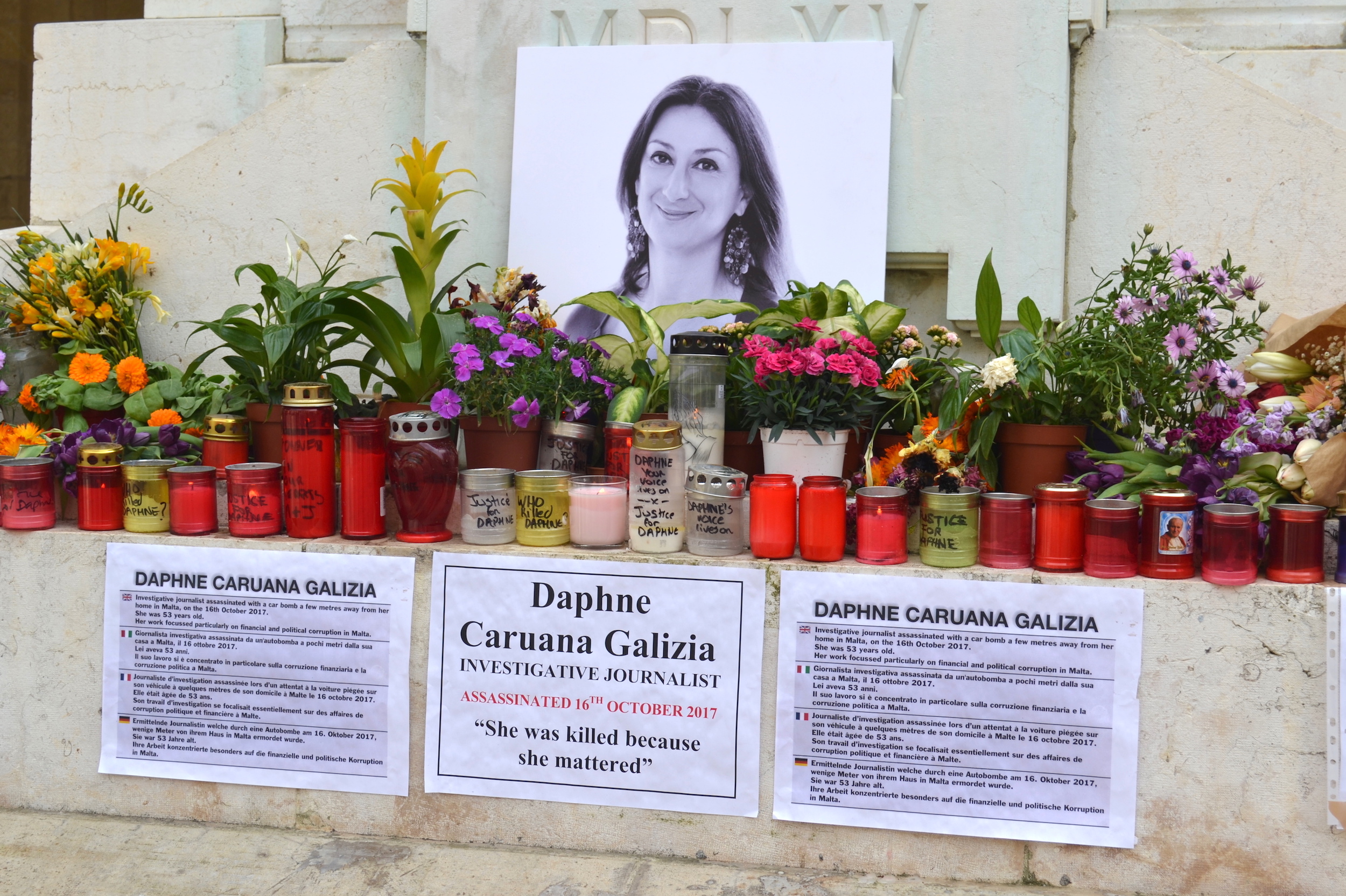
Vigil for Daphne Caruana Galizia: No justice two years on

Wednesday 16 October 2019 will mark two years since the brutal assassination of Malta’s best-known investigative journalist and anti-corruption campaigner, Daphne Caruana Galizia. Although three men have now been formally charged with her murder, a date for their trial has yet to be set while those who ordered her killing remain at large. To honour Daphne Caruana Galizia’s memory and to continue calling for justice, the Committee to Protect Journalists (CPJ), the European Federation of Journalists (EFJ), the International Federation of Journalists (IFJ),  the Observatory for the Protection of Human Rights Defenders (a joint FIDH-OMCT programme), Reporters Without Borders (RSF)…

Poland’s ruling Law and Justice party aims to regulate journalists

Poland’s ruling Law and Justice (PiS) party wants to regulate the status of the country’s journalists, and to create a “new media order.” PiS is proposing a new regulatory framework for the conduct of journalism in its 232-page election manifesto,in preparation for the October 13 general election. The ruling party argues that the journalist profession is one which depends on public trust and should, therefore, be regulated in a similar way to that of the medical and legal professions. This would mean establishing a body to oversee ethical and professional standards, education and entry into the profession. The proposed reform…

Armenia: Journalists’ union denounced attack on online portal Hayeli.am

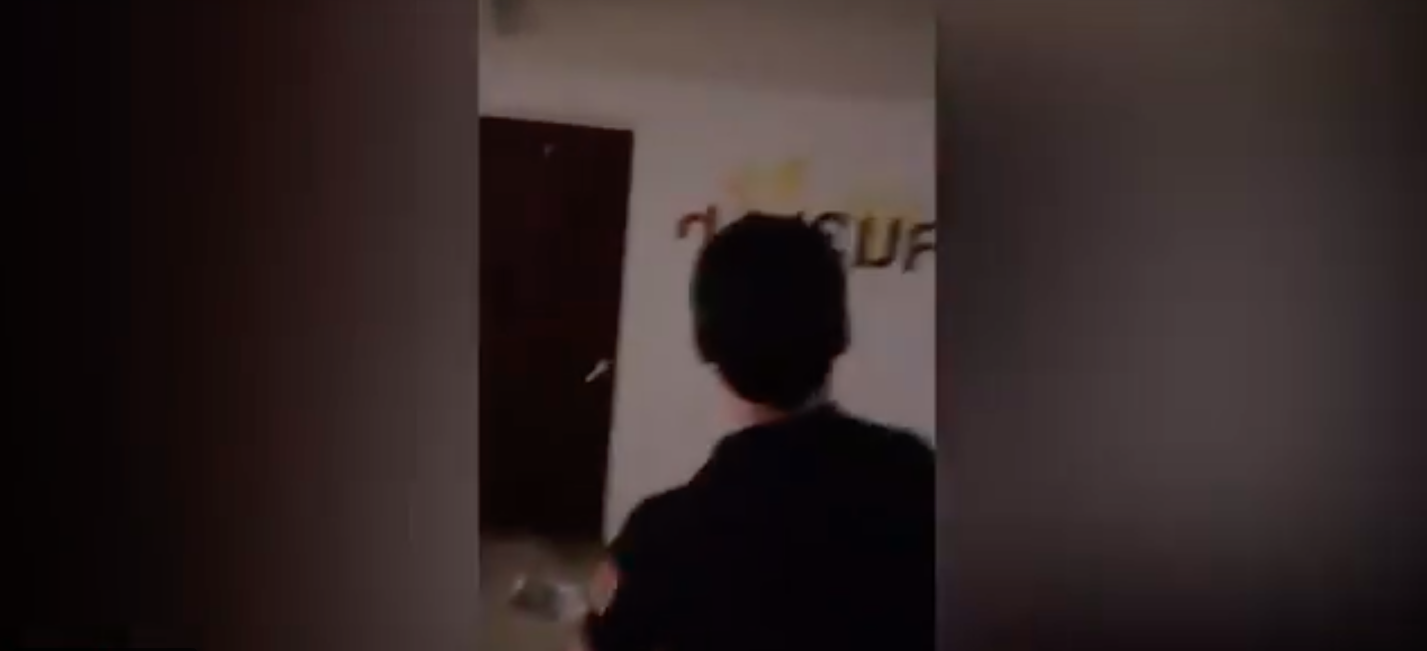
A group of government supporters attacked the offices of the online media Hayeli.am, highly critical of the Armenian authorities, on October 5. The group threw eggs and posted offensive posters at the entrance of the offices of the publication in Yerevan, the capital of the country. The four suspects are all known as ardent supporters of Armenian Prime Minister and were protesting against a headline that they consider pro-Azerbaijani published by the news website last week: “Aliyev’s belated but ‘strong’ response to Pashinian”. The article was about Azerbaijani President Ilham Aliyev’s public reaction a statement on Nagorno-Karabakh made by Armenian…

Kosovo: Serbian journalists detained and held up for several hours

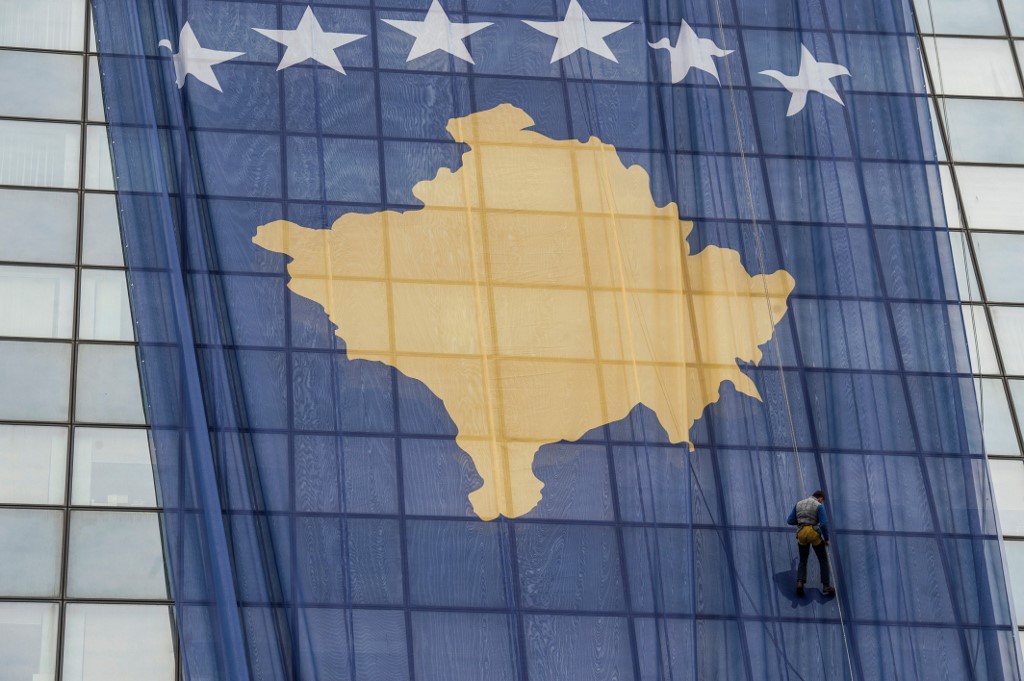
Kosovo Police detained four Serbian journalists from Radio Belgrade at a police station in Southern Kosovska Mitrovica on Friday, 4 October for six hours. On the same day, Pink Television and Tanjug News Agency crews were held up for several hours at Jarinje administrative crossing. The European Federation of Journalists (EFJ) joins its Serbian affiliates the Journalists’ Association of Serbia (UNS), the Independent Journalists’ Association (NUNS) and the Journalists’ Union of Serbia (SINOS) in supporting their protest for the protection of journalists and the right of informing freely. The Radio Belgrade crew, which included journalist Nataša Aćimović, sound technician Aleksandar Bojović, producer Svetlana…

Spain: Madrid City Council ends local radio broadcasting

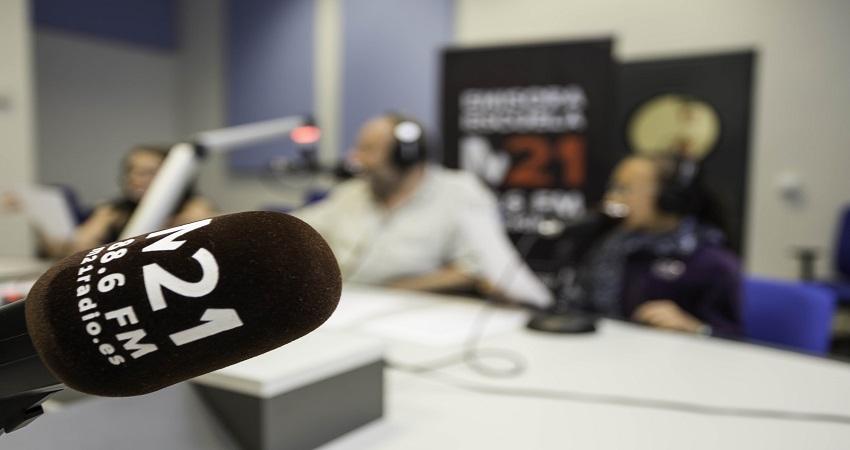
On 29 September, the Madrid radio M21 stopped airing its programmes following a decision from the newly elected city council of Madrid, leaving the thirteen media workers in an uncertain situation. The European Federation of Journalists (EFJ) joined its affiliates in Spain Federación de Asociaciones de Periodistas (FAPE) and Federación de Sindicatos de Periodistas (FeSP) in expressing solidarity with M21’s staff. They are calling on the new Mayor and the city council of Madrid to reconsider their decision. Madrid’s Mayor, José Luis Martínez-Almeida had been accusing repeatedly the radio to be the former mayor mouthpiece, renaming the station ‘Radio Carmena’…

Iran: EFJ calls for the immediate release of Russian journalist Yulia Yuzik

Russian journalist Yulia Yuzik was arrested on 3 October in her hotel room in the Iranian capital Teheran. The International and European Federations of Journalists (IFJ/EFJ) joined their Russian affiliates in urging Iran to clarify the reasons for her arrest. In the absence of evidence, the EFJ calls for the journalist’s immediate release. Yulia Yuzik had her passport confiscated by the police as she entered Teheran airport on 3 October and was told she would get it back on her return. She was arrested later in her hotel room by the Islamic Revolutionary Guard Corps (IRGC) for allegedly working for…