European Federation of Journalists

openMedia, investigating press freedom

Title of the project : openMedia, investigating press freedom
Lead Applicant
: openDemocracy

Partner organisations : EFJ, Index on censorship, King’s College London

The recently launched openMedia project aims to investigate and expose commercial interference in editorial decisions. The project is run by openDemocracy with the European Federation of Journalists (EFJ) as a partner alongside the Index on Censorship and King’s College London.

The project believes that there has not been enough of a concerted, ongoing spotlight on the extent and effects of commercial influence over the media, despite the dangerous consequences it poses for press freedom. For now, the project focuses on 47 countries across Europe but also has ambitions to expand.

Despite the recent launch, the project is adamant that it is not a response to the “fake news” hype of the past year or so. Rather, the project responds to scandals of commercial sponsors influencing media content; for example the Daily Telegraph’s suppression of investigations into its advertiser HSBC; and allegations that Buzzfeed deleted articles which advertisers found unfavourable.

According to the project, this power dynamic can suppress investigations of banks, pharmaceuticals, agriculture, fossil fuel giants, energy companies and other big businesses.

In addition, the project recognizes how for many readers, “sponsored content” is difficult to distinguish from genuine news content. The project therefore aims to clarify the commercial interests apparent in media to readers, and as part of the project, King’s College London will develop digital tools to help readers be better informed about news sources.

The findings of the project will be used to campaign for greater transparency and press freedom in news organisations and to empower journalists to advocate for transparency.

In order to do this, openMedia is currently conducting a confidential and anonymous survey of journalists across Europe, asking about their own working practices and experiences of commercial pressure inside newsrooms. The survey is available in English here and in many other languages here.
Actions

Italian journalists assaulted by neo-fascists in Rome

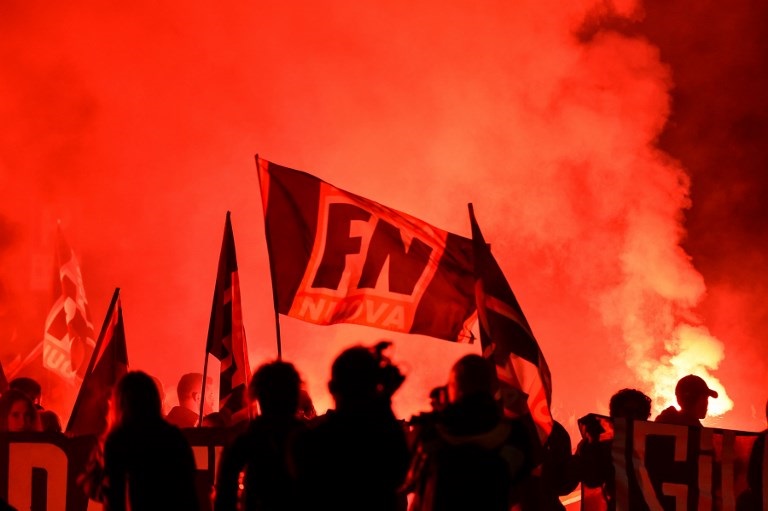
On 7 January 2019, Federico Marconi and Paolo Marchetti, an Italian journalist and a photographer both working for the Italian weekly magazine Espresso, have been attacked by members of two neo-fascist groups, Avanguardia Nazionale and Forza Nuova. The two journalists were near the Verano monumental cemetery in Rome to cover the event organised by Avanguardia Nazionale in memory of the Acca Larentia killings, in 1978. A group of neo-fascists approached Marchetti and took his camera’s memory card. Other militants then surrounded the journalist Federico Marconi and began to hit him with kicks and slaps. The boss of Forza Nuova together…

Workshop on “Modernising Public Service Media through Innovation and Dialogue”

The European Federation of Journalists (EFJ) is organising a workshop on “Modernising public service media through innovation and dialogue”. It will take place on the 4 and 5 March in Bucharest, Romania. The workshop will bring together journalists, trade unions and social partners (public broadcasters) to address recent challenges and develop strategies to ensure quality and independence in public service media in a period of digital changes, to improve working conditions of media workers in public service media and to regain trust in the media. The workshop will discuss the key themes: Public Service Media in Europe: The challenge for Innovation,…

Lithuania: EFJ urges Parliament to guarantee LRT independence

The European Federation of Journalists (EFJ) calls on again Lithuanian Parliament to guarantee the full independence of public broadcaster LRT. The Director General of LRT, Monika Garbaciauskaite, issued today a letter expressing strong concern about proposed legal changes in LRT governance. A new draft law on LRT is to be debated by the Lithuanian Parliament on 11 January. “The latest developments that are now taking place may have a direct impact on LRT’s independence and at the same time pose serious threats to freedom of speech and democracy on the whole,” reacted Monika Garbaciauskaite. Following the report, issued on 12…

Montenegro: critical working conditions in digital media

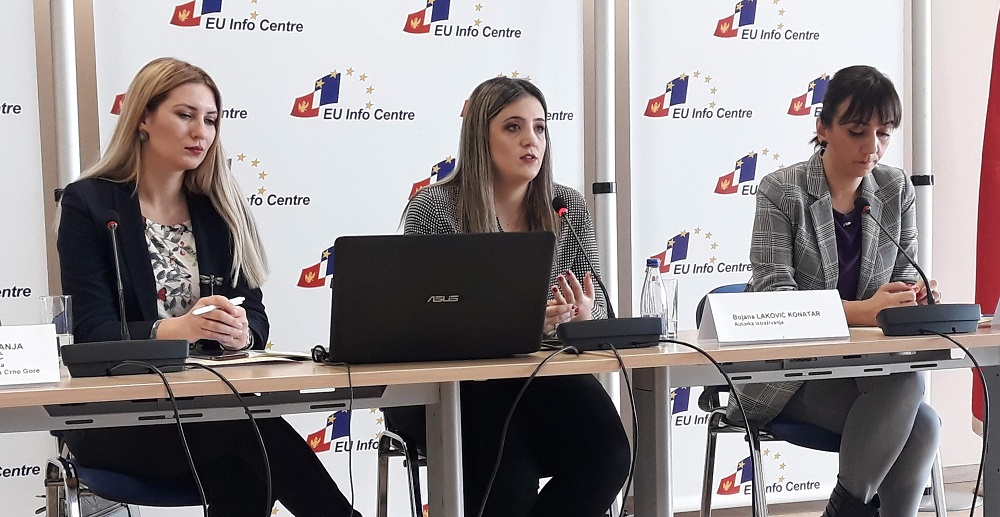
The Trade Union of Media of Montenegro (SMCG) presented a few days ago its analysis on the working conditions in digital media in the country, which shows that the average salary of employees at Montenegrin portals is significantly lower than in traditional media. According to the research’s findings, the average salary for a journalist in these media outlets is only 362 euros per month, or rather 38% lower than the salary earned by people working in traditional media (around 500 euros) and 40% lower than the average salary at the state level (510 euros). The research, called “New Media – Old Problems”, covered…

Malta

  INSTITUTE OF MALTESE JOURNALISTS (IGM) Address Room No 120 (Third Floor) 280/3, Republic Street, Valletta, Malta Staff Matthew Xuereb (President) – matthew.xuereb@timesofmalta.com / president@igm.mt / +356 7948 7100 Yannick Pace – +356 77842440 Email info@igm.mt igm.mediamalta@gmail.com Website https://igm.org.mt/  

177 journalists will spend New Year’s Eve in prison in Europe

The European Federation of Journalists (EFJ) strongly calls for release of imprisoned journalists in Europe. Following the reports from the EFJ national affiliates, 177 journalists will spend New Year’s Eve in prison in Europe: 159 in Turkey; 11 in Azerbaijan; 5 in Russia; 2 in Ukraine. Read the full list, here. In Turkey, a significant number of journalists continued to be detained on charges related to alleged terrorism, while others were convicted in 2018 to heavy imprisonment sentences, including life sentences. No progress has been recorded concerning journalists currently serving behind bars life-imprisonment sentences or very long imprisonment sentences. Another trend consists of…